Shopify just dropped data that challenges the entire narrative around AI search cannibalizing traditional traffic. The e-commerce giant revealed that AI-driven traffic and orders to its merchant stores tripled year-over-year in Q2 2026, painting a dramatically different picture than the doom-and-gloom story playing out for publishers. While media companies watch their Google referrals evaporate to ChatGPT and Perplexity, Shopify merchants are seeing AI search become a serious growth channel.
Shopify is living in a different AI reality than the rest of the internet. While publishers have spent 2026 watching AI chatbots devour their search traffic, the e-commerce platform just revealed its merchants are experiencing the opposite - AI search is becoming a genuine sales driver.
The company disclosed that AI-driven traffic and orders to Shopify stores tripled year-over-year during Q2 2026, according to TechCrunch. That's not a modest uptick or experimental traction. It's a 3x multiplier on both traffic and actual conversions, suggesting something fundamental is shifting in how consumers discover and buy products.
The contrast with publishing couldn't be starker. Media companies have watched traffic from Google crater as users get answers directly from ChatGPT, Perplexity, and other AI search tools. The fear was that AI would answer queries without sending users to source websites, effectively short-circuiting the traffic ecosystem that keeps digital publishing alive.
But e-commerce operates differently. You can't buy a product from a chatbot - at least not yet. AI search tools can recommend products, compare features, and help users narrow choices, but the transaction still happens on the merchant's site. That creates a fundamentally different dynamic where AI search acts more like a sophisticated referral engine than a replacement for the destination.
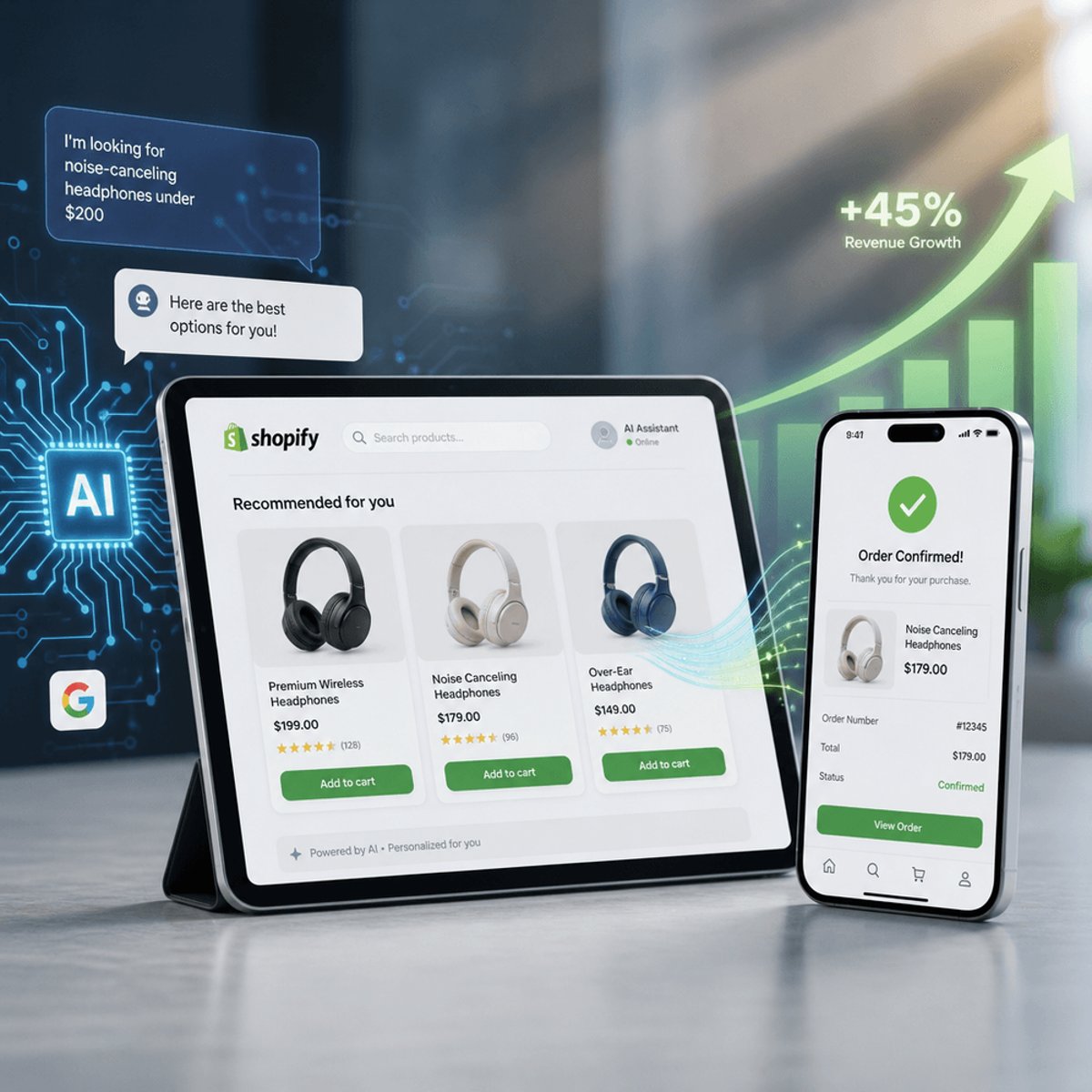
Shopify's Q2 numbers suggest merchants are benefiting from this structural advantage. When someone asks an AI chatbot for "best wireless headphones under $200," the bot might surface products from Shopify stores with detailed specifications and competitive pricing. The user still clicks through to complete the purchase, generating both traffic and revenue for the merchant.
The tripling of AI-driven orders is particularly telling. Traffic can be inflated or low-quality, but actual purchase conversions indicate real buying intent. If AI search is driving 3x more completed transactions, it means these aren't just curious browsers - they're motivated shoppers who've already done research and narrowed their options through AI-powered discovery.
This divergence between e-commerce and publishing outcomes could reshape how companies approach AI search optimization. Publishers are scrambling to figure out how to maintain visibility when AI tools summarize their content without sending traffic. Meanwhile, Shopify merchants might start treating AI search as a primary acquisition channel worth serious investment.
The timing matters too. Q2 2026 data captures a period when AI search tools are still relatively new to mainstream consumers. If adoption continues accelerating and the 3x growth trend holds, AI-driven commerce could become a major revenue source for Shopify's merchant base by year-end.
What remains unclear is which AI platforms are driving this traffic. Shopify didn't break down whether the growth comes from ChatGPT's shopping features, Google's AI Overviews with product links, Perplexity's commerce experiments, or emerging AI search startups. That granular data would help merchants understand where to focus optimization efforts.
There's also a question of sustainability. Early AI search users might be more tech-savvy shoppers with higher purchase intent, inflating conversion rates. As AI search goes mainstream, those metrics could normalize. But even if growth moderates, the current trajectory suggests AI search will be a permanent fixture in the e-commerce traffic mix.
For Google, Shopify's data offers both threat and opportunity. The traditional search giant still drives massive e-commerce traffic, but AI-native search tools are clearly carving out market share in product discovery. Google's response - integrating AI Overviews and Shopping features directly into search results - could be a defensive play to retain that lucrative commerce traffic as user behavior shifts.
The broader implication is that AI's impact on web traffic isn't uniform across industries. Content sites lose when AI answers questions directly. E-commerce wins when AI helps users find products faster. Software and service providers probably land somewhere in between, depending on whether AI can fulfill user needs without a click-through.
Shopify's Q2 results prove AI search doesn't have to be a zero-sum game for web traffic. While publishers watch their Google referrals disappear into ChatGPT summaries, e-commerce platforms are seeing AI become a legitimate growth channel. The 3x increase in both traffic and orders suggests product discovery through AI chatbots translates into real purchasing behavior, not just browsing. For Shopify merchants, this means AI search optimization might soon be as critical as traditional SEO. The challenge now is understanding which AI platforms drive the best conversions and how to structure product data for maximum visibility in this emerging channel. If this trend continues, we could be watching the early stages of AI-native commerce overtaking traditional search as a primary product discovery mechanism.