Sony just dropped a bombshell that'll reshape the gaming industry. The company announced it's killing physical disc production for new PlayStation games starting January 2028, marking the end of an era that began with the original PlayStation in 1994. New releases will only ship digitally or as download codes in physical boxes, while existing disc-based games stay available. The move affects millions of gamers who still prefer owning physical copies and raises fresh questions about digital ownership, game preservation, and what happens when servers eventually shut down.
Sony is pulling the plug on physical game discs, and the gaming world is scrambling to figure out what it means for the future of ownership. The PlayStation maker announced that come January 2028, it'll completely stop manufacturing physical discs for new games - a seismic shift that closes the book on physical media after more than three decades.
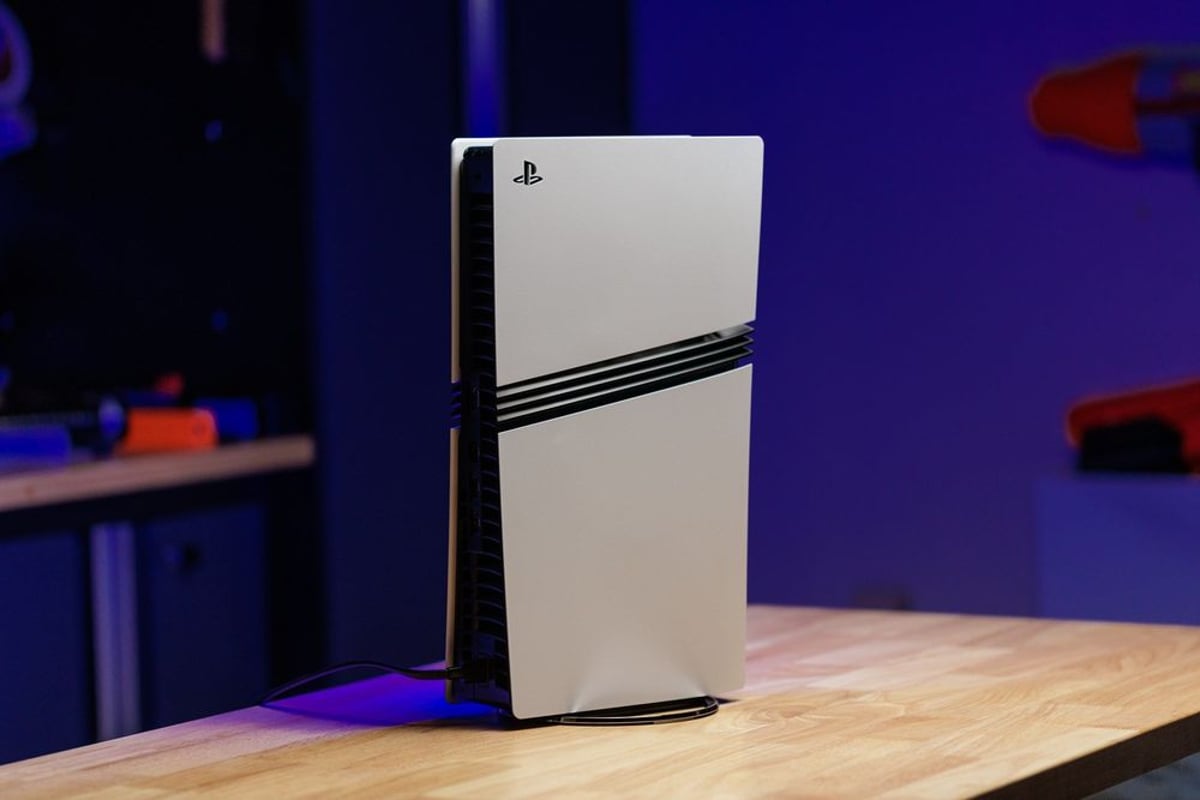
The writing's been on the wall for a while now. Sony launched the PS5 Pro without a disc drive at all, forcing players who wanted physical media to buy a separate attachment. Now the company's making it official. "This is a natural direction for Sony Interactive Entertainment to adapt to consumer trends as the general preference for digital media significantly outpaces physical discs," Sony said in its blog post announcement.
But here's where it gets interesting. Games launched before the January 2028 cutoff will still get disc versions, but anything after that date goes digital-only. Sony's offering a compromise of sorts - you can still buy a physical box at retail, but inside you'll just find a download code instead of a disc. It's a halfway measure that keeps retail shelf space alive while Sony pivots entirely to digital distribution.
The shift isn't exactly surprising when you look at the numbers. Digital game sales have been climbing steadily for years, and Sony isn't alone in pushing this direction. Microsoft already released an all-digital Xbox Series S, and even Nintendo has been expanding its digital storefront aggressively. The pandemic accelerated the trend as lockdowns pushed more gamers toward digital purchases.
But the move is already sparking backlash from game collectors and preservation advocates who worry about what happens when you can't actually own a physical copy of a game. Once Sony's servers go down - and they will eventually, just like the PlayStation 3 store nearly did before Sony reversed course after community outcry - those digital games could vanish into the ether. You're essentially renting access rather than owning a product.
The economic incentives for Sony are obvious. Digital distribution cuts out manufacturing costs, shipping logistics, and retail markups. Plus, Sony takes a bigger cut of every sale through the PlayStation Store compared to physical retail where margins get split multiple ways. For a company that's been investing heavily in its digital ecosystem and services like PlayStation Plus, this is the logical endpoint.
Gamers with spotty internet connections or data caps aren't thrilled either. Modern games regularly clock in at 100GB or more, and downloading that on rural broadband or metered connections becomes a genuine barrier to playing new releases. Physical discs at least let you install the bulk of a game without killing your monthly data allowance.
The used game market is another casualty here. Retailers like GameStop have built entire business models around buying and reselling physical games. That ecosystem vanishes when everything goes digital and licenses become non-transferable. You can't lend a digital game to a friend or sell it when you're done - Sony maintains control over access permanently.
Retro gaming and preservation communities are sounding alarm bells too. When disc production ends and servers eventually shut down, how do future generations access these games? Emulation becomes the only option, which exists in a legal gray area. Physical media at least provides a preservation pathway that doesn't depend on corporate servers staying online.
The timing is also notable. By setting the deadline for January 2028, Sony is giving the market about 18 months' notice. That's enough time for major releases in development to plan accordingly and for retailers to adjust their inventory strategies. It also suggests Sony expects the PS5 generation to extend well into 2028 and beyond before a PS6 arrives.
Competitors are watching closely. If Sony successfully makes this transition without major consumer revolt, expect Microsoft and potentially Nintendo to follow suit quickly. The entire console gaming industry could be disc-free within a few years, fundamentally changing how games are distributed and owned.
For Sony, this caps a long evolution from the disc-based PlayStation that disrupted cartridge gaming in 1994. The company bet big on physical media with Blu-ray in the PS3 era, but now it's leading the charge away from discs entirely. It's a full-circle moment that marks gaming's shift from physical products to digital services - whether players are ready for it or not.
Sony's disc death sentence represents more than just a format change - it's a fundamental reimagining of what it means to own a game. The company is betting that convenience and digital ecosystem lock-in will outweigh consumer concerns about preservation and true ownership. For the industry, this is either the inevitable future or a cautionary tale about sacrificing ownership for convenience. Either way, come 2028, that satisfying click of sliding a disc into your console becomes gaming history. The question now is whether the rest of the industry follows Sony off the physical media cliff, and whether gamers will accept a future where every game exists at the mercy of corporate servers and licensing agreements.