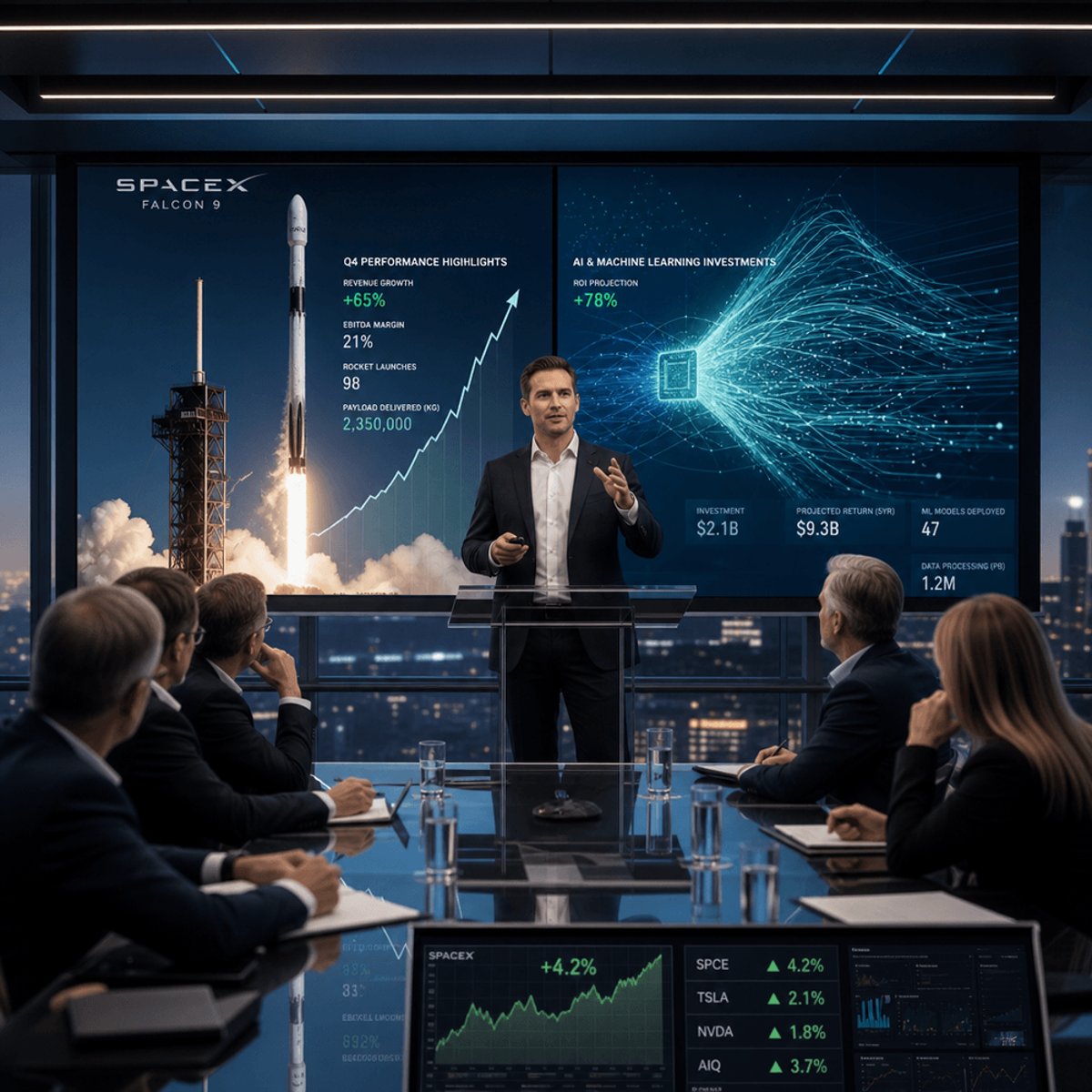
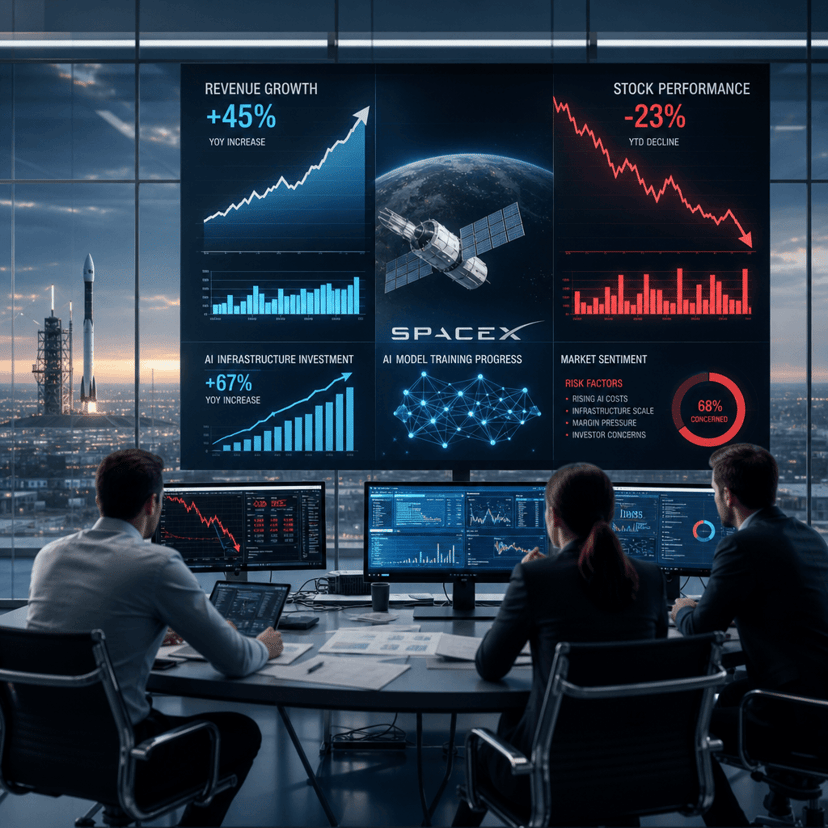
SpaceX executives faced a skeptical Wall Street on their first earnings call since going public, defending massive AI infrastructure investments that have investors on edge. The company's leadership pitched an aggressive timeline - promising returns within a year - but the market's reaction suggests doubts are running high about whether the rocket maker can justify the spending spree while maintaining its core business momentum.
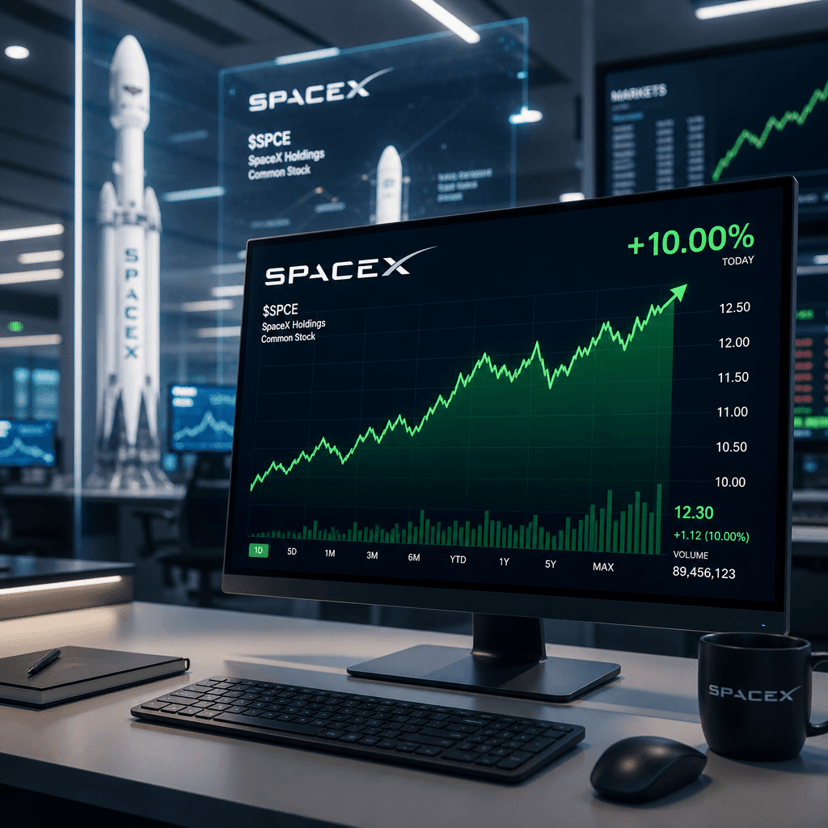
SpaceX just learned what every newly public company discovers - Wall Street wants proof, not promises. The aerospace giant's first earnings call since its blockbuster IPO turned into a high-stakes defense of AI spending that has analysts questioning whether Elon Musk's rocket company is spreading itself too thin.
Executives spent significant time addressing investor concerns about capital expenditures flowing into artificial intelligence infrastructure, a departure from SpaceX's traditional focus on launch services and satellite deployment. The tension was palpable as management attempted to walk a tightrope between innovation and fiscal discipline.
The company's pitch centers on an unusually tight timeline. According to statements made during the earnings call reported by CNBC, SpaceX believes its AI investments will generate measurable returns within twelve months. That's lightning-fast for infrastructure projects that typically take years to prove their value - especially in an industry where development cycles are measured in decades, not quarters.
But the market isn't buying it yet. The skepticism reflects broader concerns about whether SpaceX can maintain its dominance in commercial space launches while simultaneously building out AI capabilities that seem tangential to its core mission. It's a familiar tension for tech companies that go public - the freedom to experiment suddenly collides with quarterly earnings expectations and shareholder scrutiny.
The AI spending comes as SpaceX faces mounting competition in the commercial launch sector. While the company still commands the lion's share of satellite deployments, rivals are closing the gap with cheaper alternatives and reusable rocket technology that was once SpaceX's exclusive advantage. Adding AI infrastructure costs on top of research and development for next-generation vehicles like Starship creates a capital allocation puzzle that has investors nervous.
What makes this particularly interesting is the timing. SpaceX chose to go public at a moment when AI hype has reached fever pitch across tech sectors, but also when investors are becoming more discriminating about which AI bets deserve premium valuations. The company seems to be gambling that Wall Street will give it credit for being early to AI integration in aerospace, rather than penalizing it for distraction from its proven business model.
The one-year payoff promise suggests SpaceX is deploying AI for operational improvements rather than speculative new products. Think autonomous flight systems, predictive maintenance for rocket components, or AI-optimized launch scheduling that could increase mission cadence. These are pragmatic applications that could genuinely improve margins if executed well - but they're also the kind of incremental gains that don't always justify massive upfront investments in the eyes of public market investors.
This earnings call marks a significant shift in accountability for SpaceX. As a private company, it could pursue long-term bets without quarterly interrogations. Now every dollar spent on AI infrastructure will be scrutinized against launch revenue, Starlink subscriber growth, and operating margins. The company's ability to deliver on its one-year ROI claim will set the tone for how much patience Wall Street extends to future experimental investments.
The broader context matters too. Other aerospace and defense contractors have struggled to articulate clear AI strategies that resonate with investors. Boeing and legacy players talk about digital transformation but rarely commit to specific timelines or financial targets. SpaceX's willingness to promise concrete returns is either confident leadership or a setup for disappointment - and the market will find out which within the next four quarters.
What's clear is that SpaceX's post-IPO honeymoon is already over. The company that revolutionized space access now has to prove it can revolutionize its own operations with AI while keeping Wall Street happy - a balancing act that's grounded plenty of high-flying tech stocks before.
SpaceX's first post-IPO earnings call exposed the fundamental tension between innovation and investor expectations. The company's bet on quick AI returns isn't just about technology - it's a test of whether Wall Street will reward aggressive reinvestment or demand immediate profitability from a newly public company. With a one-year clock now ticking on those AI promises, SpaceX has given itself precious little room for delays or pivots. The next three quarters will reveal whether management's confidence was justified or whether they underestimated how quickly public market patience runs out.