Seagate Technology just became Wall Street's new litmus test for AI infrastructure spending. CNBC's Jim Cramer declared the storage giant 'the key to this market' on Wednesday after the company delivered blowout earnings that suggest hyperscalers haven't pulled back on data center buildouts. The call marks a critical moment for investors trying to gauge whether the AI trade can shake off recent semiconductor selloffs and regain momentum.
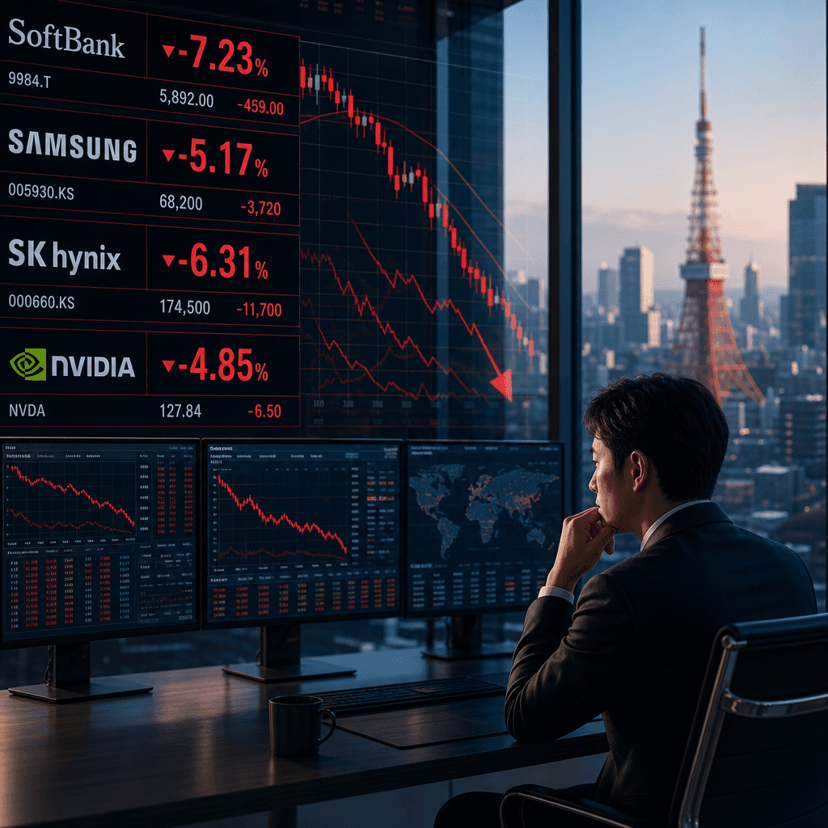
Seagate Technology just handed AI investors something they desperately needed - a reason to believe the infrastructure buildout is far from over. On Wednesday's Mad Money, Jim Cramer singled out the data storage giant as the critical indicator for whether the AI trade can regain its footing after weeks of chip sector turbulence.
"Seagate is the key to this market," Cramer told viewers, framing the company's quarterly results as a referendum on hyperscale spending. The timing couldn't be more significant. While memory chipmakers have faced pressure from inventory concerns and geopolitical tensions, Seagate's blowout performance suggests a different story is unfolding in the storage segment of AI infrastructure.
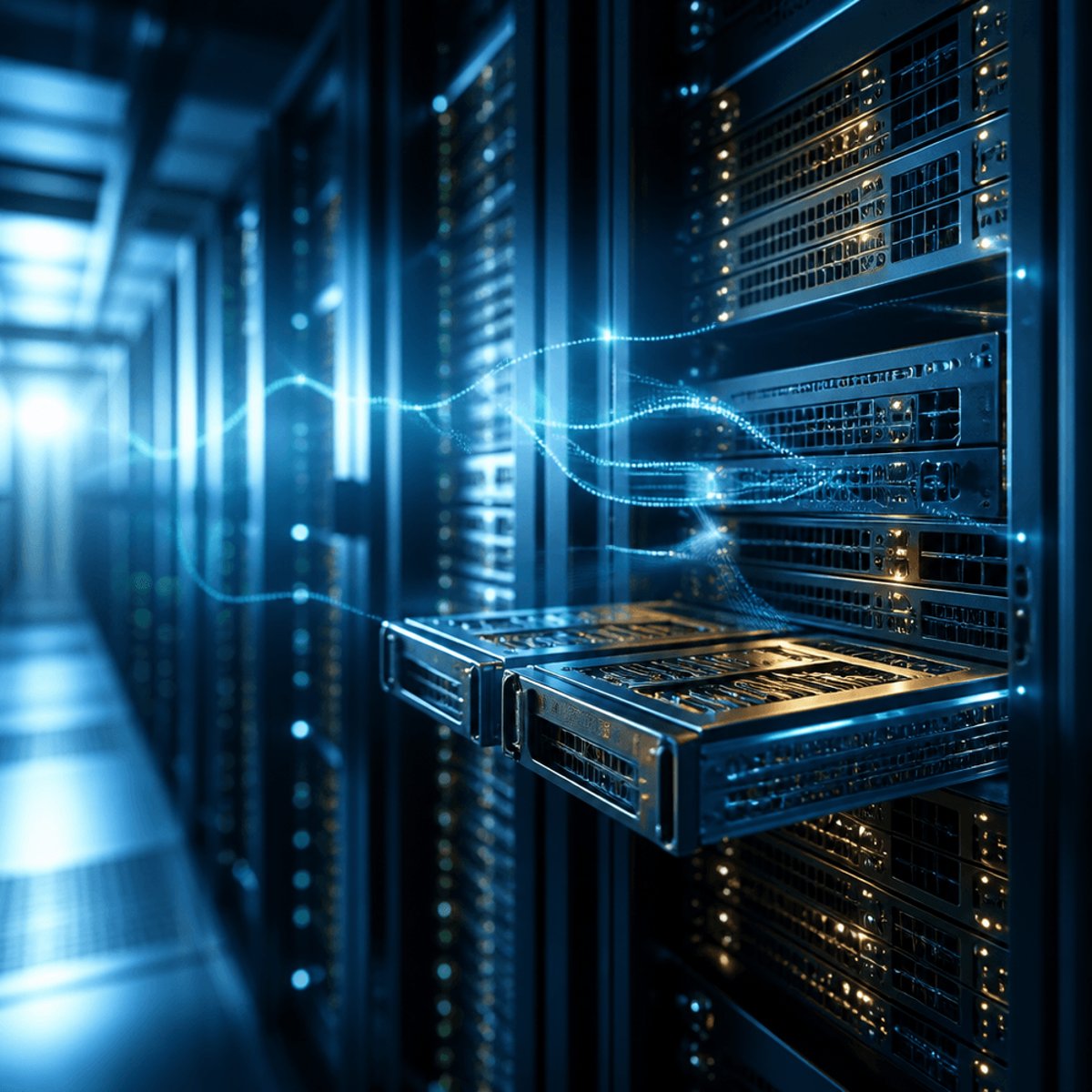
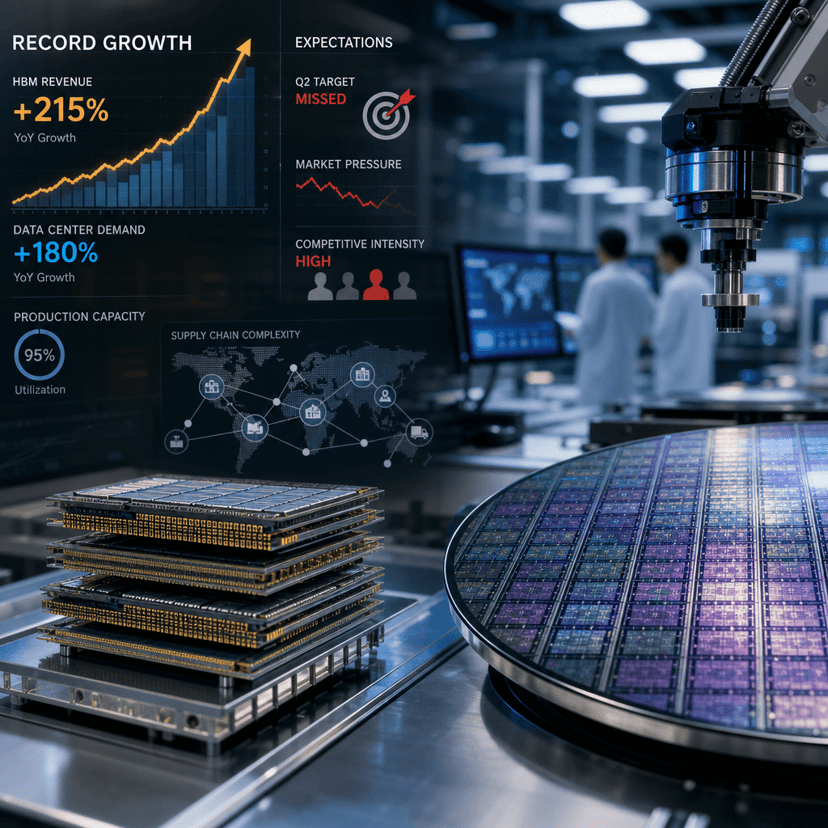
The company's earnings arrive as investors puzzle over mixed signals from the semiconductor industry. Nvidia continues to report astronomical data center revenue, but traditional memory players have seen volatility. Seagate occupies a unique position in this landscape - its hard drives and enterprise SSDs power the massive storage arrays that AI models require for training data and inference operations.
What makes Cramer's analysis particularly notable is the distinction between storage and compute infrastructure. While GPU shortages dominated headlines through 2024 and 2025, the storage bottleneck has emerged as the next critical constraint. Training frontier AI models requires petabytes of data that need to be accessed at speeds traditional storage couldn't match. Seagate has been racing to develop specialized drives optimized for these sequential read workloads.
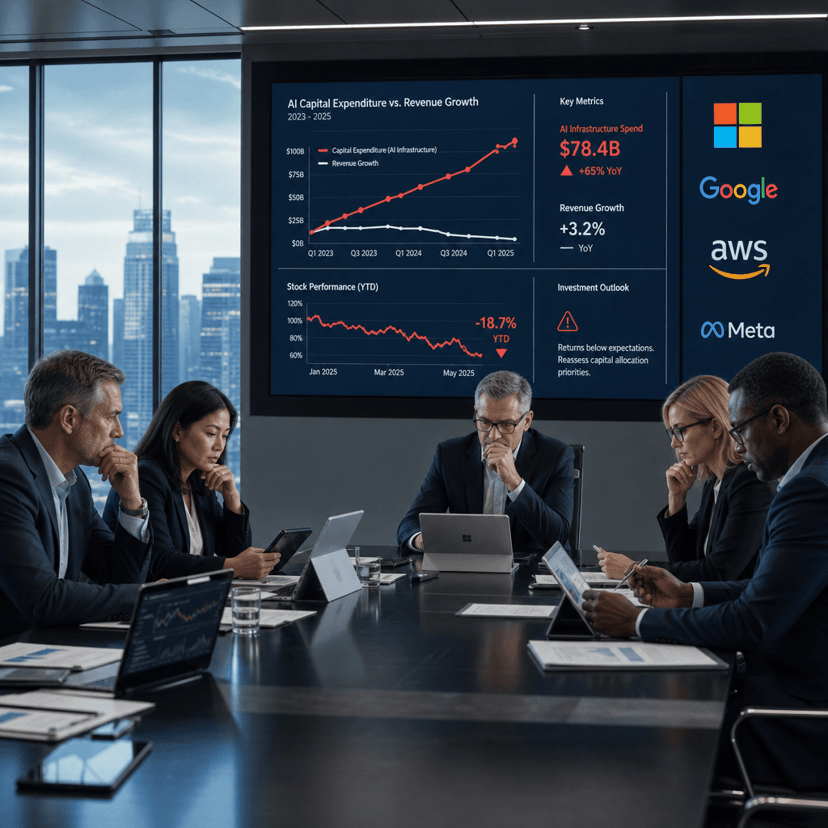
The market reaction to Seagate's results will likely ripple across the broader infrastructure ecosystem. Competitors like Western Digital and enterprise storage players face the same question - can they translate AI hype into sustained revenue growth? According to industry analysts, the answer depends on whether hyperscalers like Microsoft, Google, and Amazon maintain their breakneck capex pace.
Cramer's framing of Seagate as a market barometer reflects a broader shift in how Wall Street evaluates AI investments. The focus has moved beyond pure-play AI companies and chipmakers to the entire supply chain that makes large-scale AI deployment possible. Data center REITs, cooling system manufacturers, and power infrastructure companies have all seen increased attention as the physical requirements of AI become clearer.
The storage angle is particularly compelling because it's a lagging indicator of AI adoption. Companies don't buy enterprise storage systems until they're confident in their AI roadmaps and have workloads that justify the investment. Strong Seagate numbers suggest those commitments are real and accelerating, not speculative or temporary.
For retail investors watching from the sidelines, Seagate offers a different risk-reward profile than buying Nvidia or Microsoft at nose-bleed valuations. The storage sector trades at more modest multiples while still providing exposure to AI infrastructure growth. That's part of why Cramer's endorsement carries weight - he's pointing toward a potentially underappreciated play on the same mega-trend.
The earnings also arrive at a moment when questions about AI returns on investment are intensifying. CEOs face pressure to demonstrate that massive AI spending will translate to productivity gains and revenue growth. Robust storage demand suggests companies are moving past experimentation into production deployment, which requires industrial-grade infrastructure rather than prototype systems.
Looking ahead, Seagate's guidance for the coming quarters will matter as much as the results themselves. If management signals continued strength in enterprise and hyperscale orders, it validates the thesis that AI infrastructure spending has years of runway ahead. Any signs of caution could trigger broader concerns about whether the buildout is hitting pause.
Seagate's emergence as Wall Street's AI infrastructure bellwether reflects how the investment thesis is maturing beyond chips and software into the unglamorous but essential components that make large-scale AI possible. If Cramer's read is right and storage demand stays strong, it validates the view that we're still in the early innings of AI buildout rather than approaching a top. For investors trying to separate signal from noise in the AI trade, watching how Seagate and its peers perform over the next few quarters might matter more than the latest chatbot demo or model benchmark. The real test of AI's staying power isn't what it can do in a lab - it's whether companies keep writing checks for the infrastructure to run it at scale.