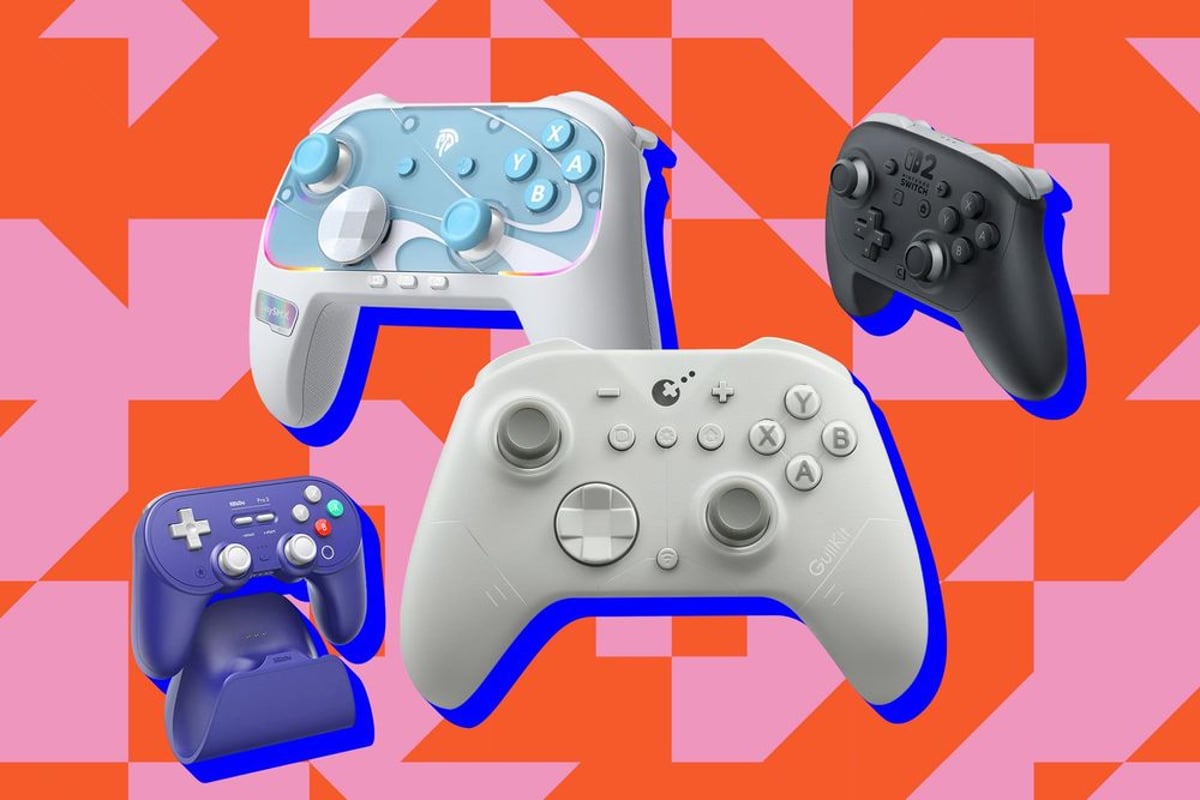
The Switch 2 controller landscape just got a major shakeup. The Verge's comprehensive testing reveals that third-party manufacturers are delivering superior gaming experiences for significantly less money than Nintendo's flagship $89.99 Pro Controller. The standout winner? The EasySMX S10, which packs advanced TMR joysticks, amiibo support, and exceptional HD rumble into a $42 package that outperforms Nintendo's own hardware.
The gaming world is witnessing something remarkable: third-party controller manufacturers are beating Nintendo at its own game. After extensive hands-on testing with the Switch 2's ecosystem, it's clear that Nintendo's stranglehold on premium gaming accessories is under serious threat.
The Verge's Cameron Faulkner didn't mince words in his comprehensive review. The EasySMX S10 "is nearly as capable and comfortable as the Switch 2 Pro Controller, yet it's $30 cheaper at $59.99." But here's the kicker - current pricing shows the S10 available for just $42 with Prime, making the value proposition even more compelling.
What makes this particularly stunning is the technical superiority these third-party options bring. While Nintendo stubbornly sticks with potentiometer-based joysticks in their $90 Pro Controller - the same technology that plagued the original Switch with drift issues - companies like EasySMX and Gulikit are shipping tunneling magnetoresistance (TMR) and Hall effect joysticks that are inherently drift-resistant.
The EasySMX S10 doesn't just match Nintendo's features; it exceeds them in key areas. The controller delivers what Faulkner calls "the best adaptation of Nintendo's HD rumble that I've felt in a third-party controller." It also includes amiibo support and can remotely wake the Switch 2 from sleep mode - features that are surprisingly rare in the third-party space.
For budget-conscious gamers, the Gulikit ES Pro at $24 represents an even more dramatic value play. This Xbox-style controller earned a 7/10 score despite costing less than a typical AAA game. Its eight-way D-pad excels in fighting games and retro titles, while the TMR joysticks ensure longevity that Nintendo's more expensive option can't match.
The implications extend beyond just gaming accessories. This represents a broader shift in the consumer electronics landscape where traditional console manufacturers can no longer rely solely on brand recognition and ecosystem lock-in. Third-party manufacturers are leveraging superior component choices and aggressive pricing to capture market share.
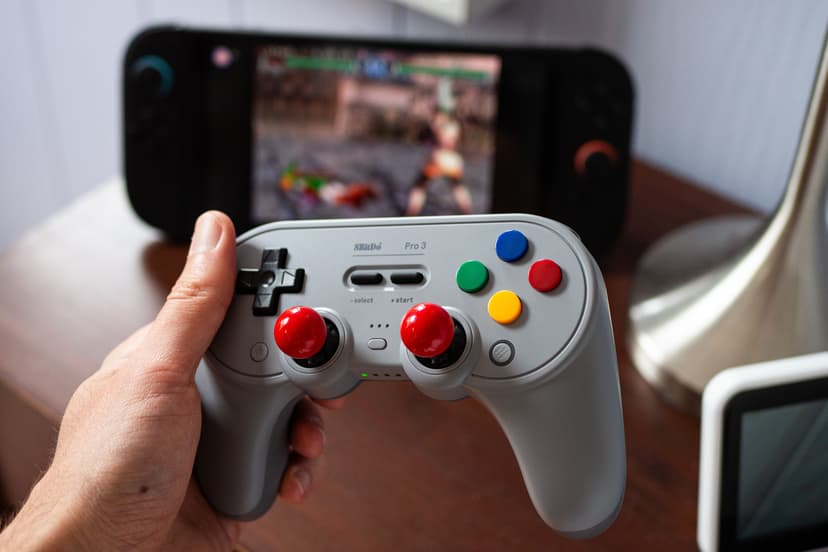
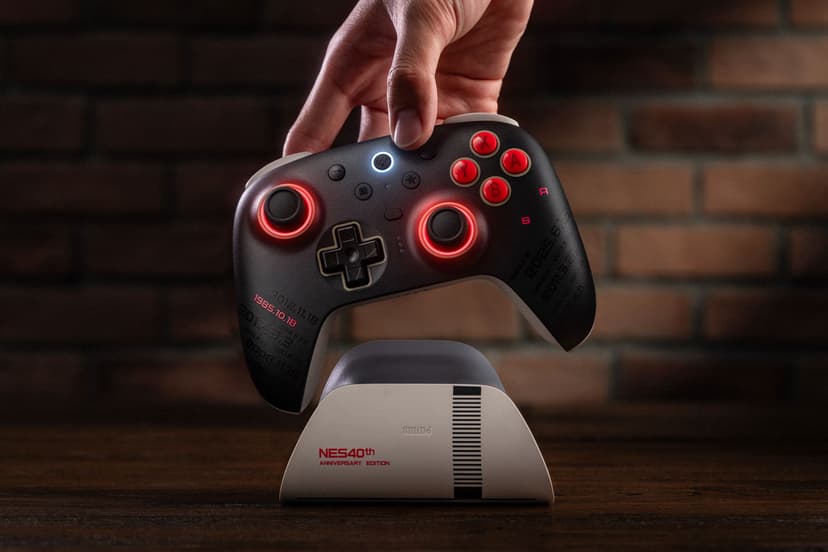
8BitDo's Pro 3, another standout at $56, showcases the customization possibilities that Nintendo simply doesn't offer. With swappable analog stick caps, remappable buttons, and compatibility across multiple platforms, it targets the enthusiast gaming market that Nintendo has largely ignored.
The timing couldn't be more critical. As the Switch 2 ecosystem expands, early accessory choices often determine long-term purchasing patterns. Gamers who discover they can get superior technology for half the price of Nintendo's offerings are likely to continue seeking third-party alternatives for future purchases.
Market dynamics suggest this trend will accelerate. Component costs for advanced joystick technology are decreasing, while manufacturers like EasySMX and Gulikit are scaling production to meet growing demand. Meanwhile, Nintendo appears committed to maintaining premium pricing on accessories, creating an increasingly wide value gap.
The testing methodology behind these conclusions is particularly robust. The Verge's review process involved "multi-session tests with a mix of games for the Switch 2," assessing ergonomics, button quality, and unique controller functions across different gaming scenarios.
What's perhaps most telling is the feature comparison across price points. The $24 Gulikit ES Pro includes TMR joysticks, an eight-way D-pad, and console wake functionality - features that would typically command premium pricing from first-party manufacturers. This suggests that manufacturing efficiencies and competitive pressure are driving real innovation in the accessories space.
The Switch 2 controller market is experiencing a fundamental disruption that mirrors broader trends in consumer electronics. Third-party manufacturers aren't just offering cheaper alternatives - they're delivering superior technology, better longevity, and more features than Nintendo's first-party options. For gamers, this creates an unprecedented opportunity to get premium gaming experiences without the premium price tag. The question isn't whether third-party controllers can compete with Nintendo anymore; it's whether Nintendo can adapt its pricing and feature strategy to compete with the innovation happening around it.