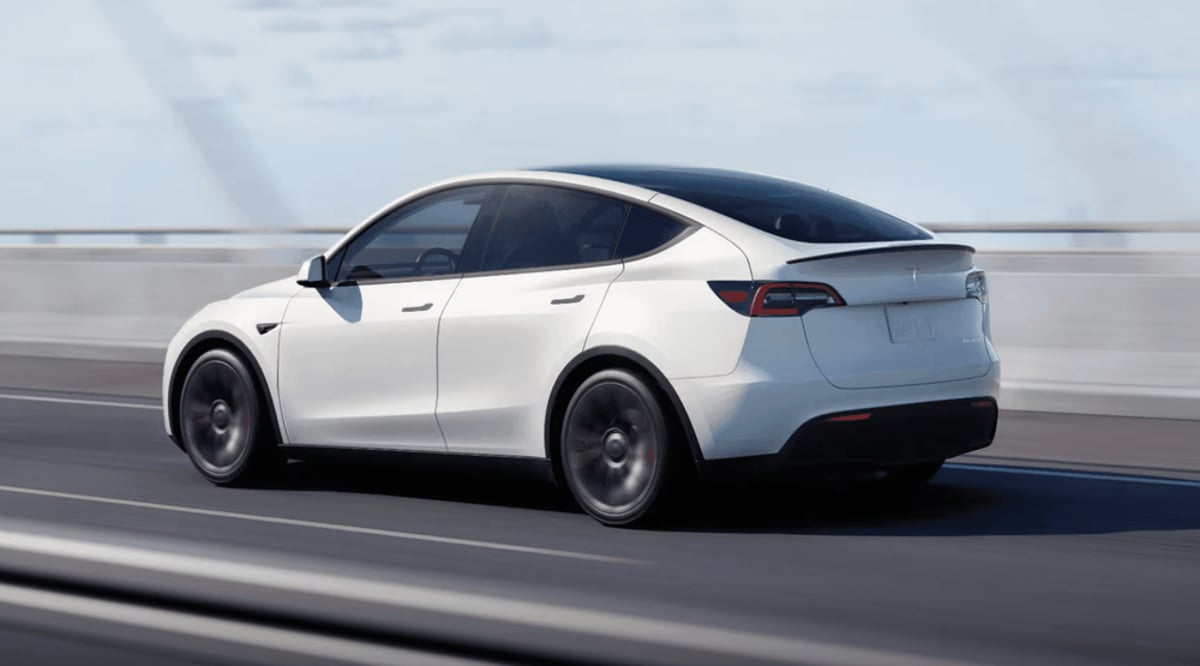
Tesla's Full Self-Driving system just hit a critical regulatory checkpoint. The National Highway Traffic Safety Administration escalated its investigation into the final phase before a potential recall, focusing on whether FSD's safety systems adequately protect drivers when cameras can't see the road during poor weather. The probe affects potentially millions of Tesla vehicles and marks the most serious regulatory threat yet to the company's flagship autonomous driving technology.
Tesla's bet on camera-only autonomous driving just collided with federal safety scrutiny. The National Highway Traffic Safety Administration's Office of Defects Investigation announced it's conducting an engineering analysis of Full Self-Driving - the second and final investigative phase before regulators can demand a recall.
The timing couldn't be more critical for Tesla. The company has staked its future on FSD, with CEO Elon Musk repeatedly promising the technology would transform Tesla from a carmaker into an AI robotics company. Now regulators are questioning whether the system's fundamental architecture - relying solely on cameras without radar or lidar - can safely handle real-world conditions.
At the heart of the investigation is FSD's "degradation detection" system. When Tesla's cameras can't see the road clearly enough during fog, heavy rain, or snow, the system is supposed to immediately alert drivers to take control. But NHTSA's probe suggests this failsafe might not be working as intended, according to The Verge.
The investigation initially began as a preliminary evaluation but has now been upgraded to an engineering analysis. That escalation signals NHTSA has found enough concerning evidence to warrant deeper technical examination. Federal investigators will now scrutinize FSD's software architecture, testing protocols, and real-world performance data.
This isn't Tesla's first regulatory rodeo with FSD. The company has faced multiple NHTSA probes over Autopilot and FSD incidents, but this investigation carries more weight. An engineering analysis directly precedes recall authority - meaning NHTSA is seriously considering whether millions of Tesla vehicles on the road pose a safety risk.
The stakes extend beyond Tesla. The entire autonomous vehicle industry is watching how regulators handle camera-based systems versus those using multiple sensor types. Waymo, Cruise, and other competitors use lidar and radar alongside cameras, arguing that sensor redundancy is essential for safety. Tesla has long dismissed this approach as unnecessarily expensive.
But poor visibility conditions expose the limitations of camera-only systems. When human eyes can barely see the road, camera sensors struggle even more. If NHTSA concludes that FSD's degradation detection isn't sufficient, it could force Tesla to either add additional sensors - a costly hardware retrofit - or implement more conservative software restrictions that limit where and when FSD can operate.
The financial implications are substantial. Tesla has been charging up to $15,000 for FSD capability, and the feature has become a significant revenue stream. A recall requiring hardware changes could cost billions, while software restrictions might make the system less appealing to buyers who've paid premium prices for the technology.
Investors are already jittery about Tesla's autonomous driving timeline. Musk has promised full self-driving capability is always just around the corner, but those predictions have repeatedly missed their marks. A federal recall would represent a major setback to those ambitions and could impact Tesla's valuation, which has increasingly been based on its AI and robotics potential rather than traditional automotive metrics.
The investigation also arrives as Tesla faces intensifying competition in the autonomous driving space. Chinese automakers are rolling out advanced driver assistance systems, traditional manufacturers are partnering with tech companies on self-driving technology, and regulatory frameworks are evolving rapidly. Any pause or limitation on FSD could let competitors close the gap Tesla has worked years to establish.
NHTSA hasn't disclosed a timeline for completing the engineering analysis, but these investigations typically take several months. During that period, Tesla will likely work closely with regulators, providing technical documentation and potentially implementing voluntary updates to address concerns. The company has a history of issuing over-the-air software updates to resolve safety issues before formal recalls are announced.
What happens next depends on what NHTSA's engineers discover. If they find the degradation detection system works as designed but needs clearer driver communication, Tesla might get away with a software update and enhanced warnings. But if investigators conclude the fundamental approach is flawed - that cameras alone can't safely detect their own limitations in poor visibility - the company could face demands for more substantial changes that reshape FSD's capabilities.
This NHTSA investigation represents a pivotal moment for autonomous driving technology and Tesla's vision of a self-driving future. The federal government is essentially stress-testing whether camera-only systems can meet safety standards in real-world conditions - and the answer will reverberate across the entire industry. For Tesla owners who've invested thousands in FSD capability, the coming months will determine whether that technology gets refined, restricted, or fundamentally redesigned. And for the broader push toward autonomous vehicles, this probe will help establish what level of sensor redundancy and failsafe systems regulators consider adequate for letting computers take the wheel.