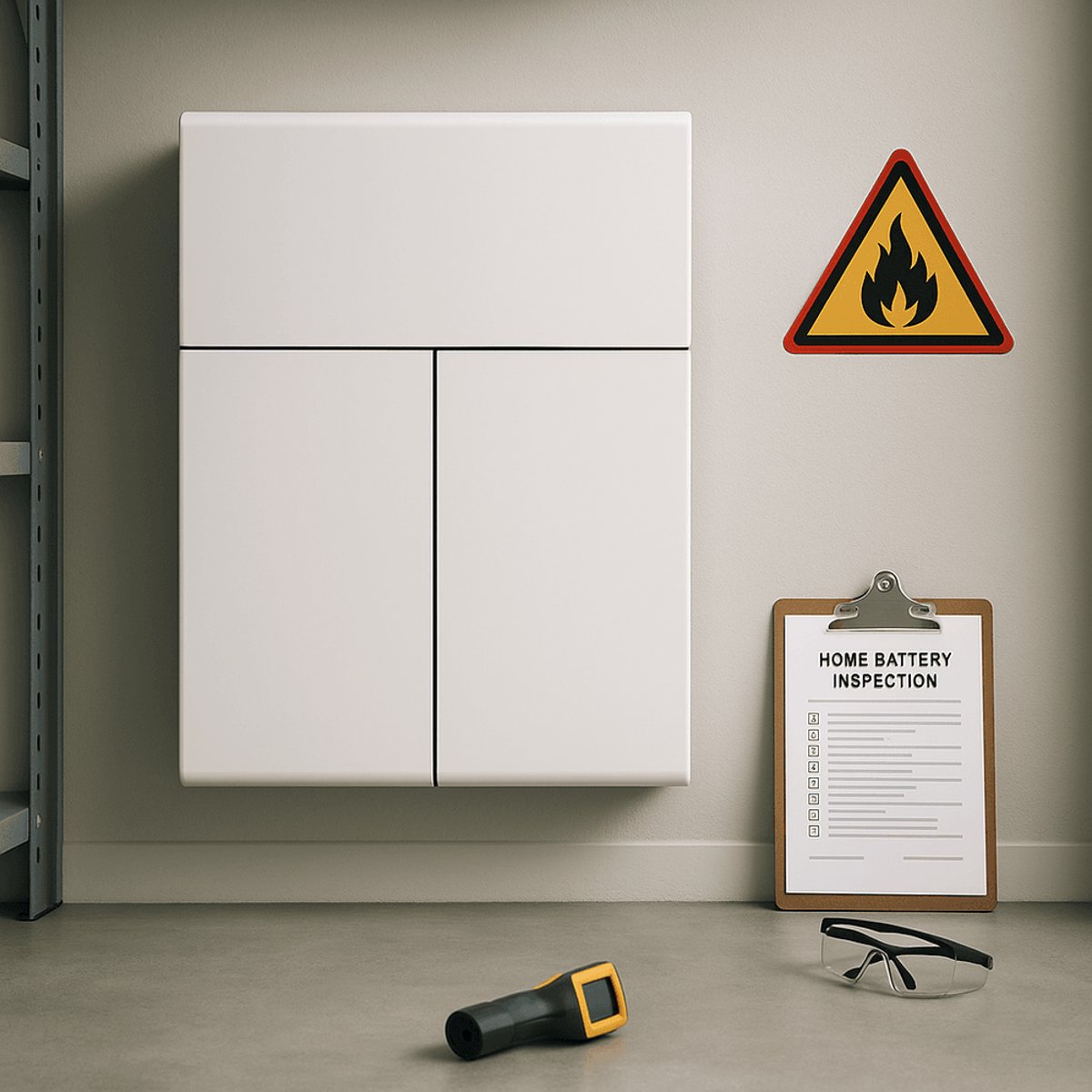
Tesla just issued an urgent recall affecting 10,500 Powerwall 2 home battery systems after 22 customer reports of overheating and five actual fires. The Consumer Product Safety Commission warned Thursday that faulty lithium-ion cells can cause "smoke or flame" and pose "death or serious injury" risks, sending Tesla shares tumbling 7% as the company's fastest-growing division faces its biggest safety crisis.
Tesla is scrambling to contain a safety crisis that's hitting its fastest-growing business right in the wallet. The company's recall of 10,500 Powerwall 2 home battery systems over fire risks sent shares plummeting 7% Thursday, casting a shadow over the energy division that just delivered blockbuster growth.
The Consumer Product Safety Commission didn't mince words in its recall notice: "The lithium-ion battery cells in certain Powerwall 2 systems can cause the unit to stop functioning during normal use, which can result in overheating and, in some cases, smoke or flame and can cause death or serious injury due to fire and burn hazards."
That's not the kind of language investors want to see attached to a product sitting in people's garages and basements. Tesla has already fielded 22 customer complaints about overheating, with five escalating into actual fires that caused what the CPSC diplomatically called "minor property damage." No injuries have been reported yet, but the potential for tragedy is written right into the federal warning.
Tesla is pointing fingers at a "third-party battery cell defect" but won't name the supplier - a classic move that raises more questions than it answers. The company's official response page emphasizes that newer Powerwall 3 systems aren't affected and promises free replacements for all impacted customers.
The timing couldn't be worse for Tesla's energy ambitions. Tesla Energy just posted its strongest quarter ever with revenue jumping 44% to $3.42 billion in Q3, now representing a quarter of the company's total revenue. The division has been Elon Musk's secret weapon as car sales face increasing competition from Ford, GM, and a parade of Chinese manufacturers.
Powerwall systems work alongside Tesla's solar installations, storing electricity for use during blackouts or when grid prices spike. It's a compelling pitch for homeowners worried about reliability and costs, but that value proposition takes a hit when customers start worrying about their backup power system burning down the house.
The recall affects only Powerwall 2 units, which Tesla has been phasing out in favor of the newer Powerwall 3 design. But 10,500 units represents a significant installed base of customers who trusted Tesla to keep their lights on safely. The company's silence on which battery supplier caused the defect also suggests potential legal battles ahead.
Investors are clearly spooked. Tesla's 7% drop Thursday wiped out roughly $60 billion in market value, showing how quickly safety issues can undermine even the strongest growth stories. The energy division was supposed to be Tesla's defense against automotive margin pressure, but recalls like this highlight the risks of diversifying into new hardware categories.
Competitors in the home energy storage space, including Enphase and SolarEdge, haven't faced similar widespread safety issues, potentially giving them an opening to capture market share while Tesla deals with the fallout.
The broader home battery market has been exploding as more homeowners install solar panels and seek energy independence. Tesla's stumble here doesn't kill the trend, but it does hand ammunition to competitors who can now position their products as the "safer" alternative to Tesla's offering.
What happens next will determine whether this recall becomes a footnote or a turning point for Tesla Energy. The company needs to execute flawlessly on the replacements while also proving that Powerwall 3 won't have similar issues. Any sign that the problems extend beyond this specific batch of defective cells could seriously damage confidence in the entire product line.
Tesla's Powerwall recall exposes the double-edged sword of rapid diversification. While the Energy division has become a crucial growth driver, safety issues in consumer products can destroy trust faster than any marketing campaign can build it. The company's handling of this recall - from transparent communication to flawless execution of replacements - will determine whether Tesla Energy continues its momentum or becomes another cautionary tale about moving too fast in safety-critical markets.