Tesla jumped the gun on celebrating a European regulatory breakthrough for its Full Self-Driving software. The company's weekend social media victory lap claiming Dutch approval hit a wall when the regulator itself clarified that February 2026 marks a demonstration, not approval. The mix-up highlights the challenging path ahead for Tesla's autonomous driving ambitions in Europe's strict regulatory landscape.
Tesla may have celebrated a regulatory win in Europe a bit too soon, creating yet another chapter in the company's complex relationship with global automotive regulators.
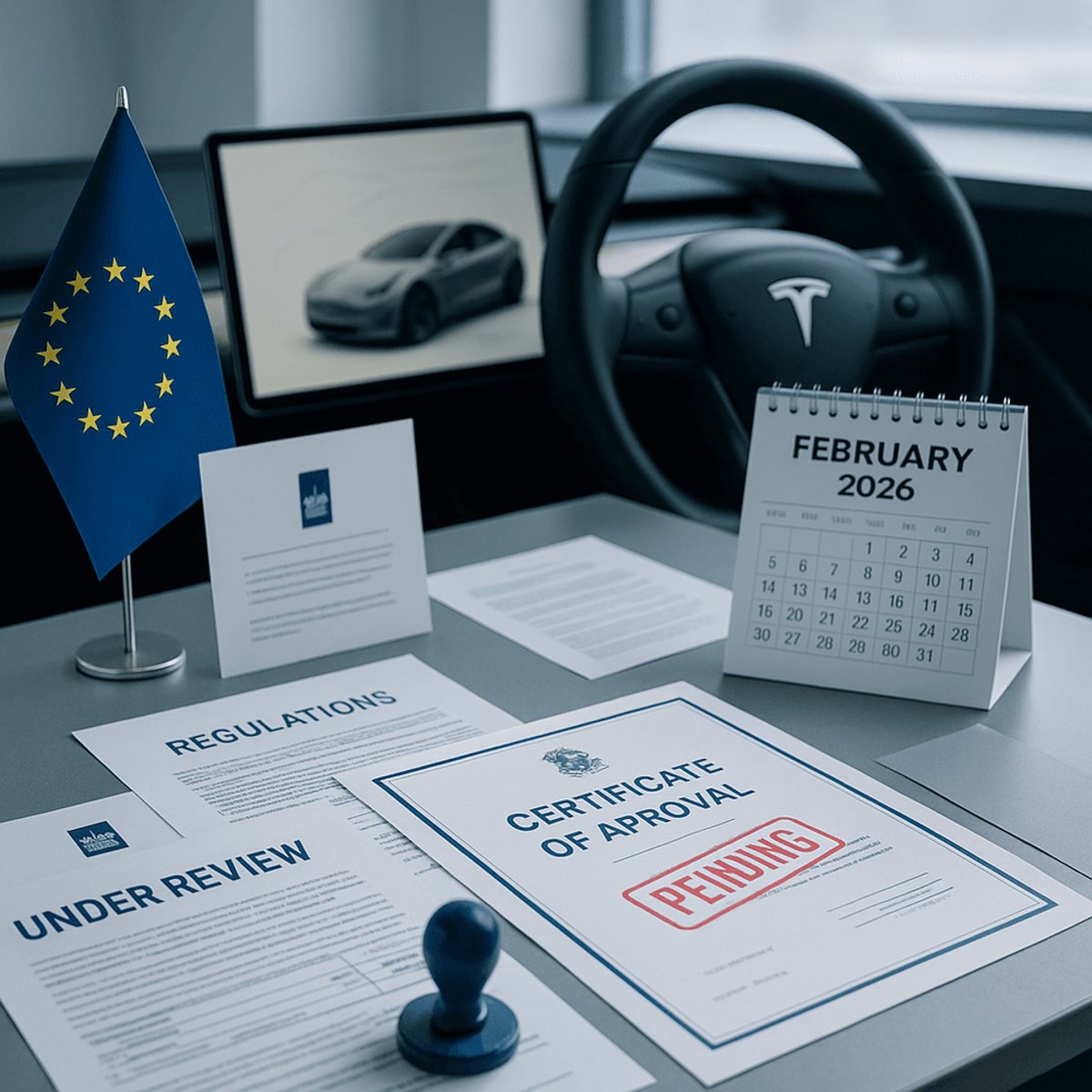
The electric vehicle maker sparked confusion this weekend with a social media post claiming Dutch regulator RDW "has committed to granting Netherlands National approval" for its Full Self-Driving software in February 2026. Tesla even urged followers to contact the regulator to "express your excitement & thank them for making this happen as soon as possible."
But RDW wasn't exactly on the same page. The Dutch authority, which handles vehicle licensing and registration in the Netherlands, quickly issued a clarifying statement that painted a very different picture. According to Bloomberg's reporting, Tesla will demonstrate FSD Supervised in February - but that's a far cry from guaranteed approval.
"RDW and Tesla know what efforts need to be made to make a decision on this in February. Whether the schedule will be met remains to be seen in the coming period," the regulator stated. "For the RDW, (traffic) safety is paramount."
The disconnect reveals the high stakes involved in Tesla's European expansion plans. RDW approval would serve as a critical gateway for rolling out FSD across Europe, where regulatory scrutiny of autonomous driving technology remains particularly intense. European authorities have consistently taken a more cautious approach compared to their American counterparts, demanding extensive safety validation before approving advanced driver assistance systems.
Tesla's current FSD offering, officially called FSD Supervised, costs customers an additional $8,000 beyond the base Autopilot system that comes standard with every Tesla. The upgraded software provides automated steering and lane changes on both highways and city streets, though it still requires drivers to keep their hands on the wheel and remain fully engaged.
The technology is currently available in just seven markets: Australia, Canada, China, Mexico, New Zealand, Puerto Rico, and the United States. Europe represents a massive untapped opportunity for Tesla, with the continent's wealthy consumers and growing EV adoption rates making it a prime target for FSD expansion.
However, Tesla's premature announcement highlights the company's ongoing challenges with regulatory communications. The automaker has faced scrutiny from various global authorities over its marketing of autonomous driving capabilities, with critics arguing the "Full Self-Driving" name itself misleads consumers about the technology's current limitations.
The February demonstration will likely prove crucial for Tesla's European ambitions. RDW's evaluation could influence other EU regulators' decisions, potentially creating either a pathway for broader European approval or additional hurdles if safety concerns emerge during testing.
For Tesla shareholders and European customers eagerly awaiting FSD availability, the regulator's measured response serves as a reminder that regulatory approval timelines remain firmly in the hands of safety authorities, not corporate social media teams.
Tesla's premature celebration of Dutch regulatory approval for FSD reveals the complex dance between ambitious tech companies and cautious European regulators. While February 2026 marks an important milestone for demonstrating the technology, actual approval remains uncertain. For Tesla, the incident underscores the need for more careful regulatory communications as it seeks to expand FSD beyond its current seven-country footprint. European consumers and investors will be watching closely to see if Tesla's technology can meet the continent's rigorous safety standards.