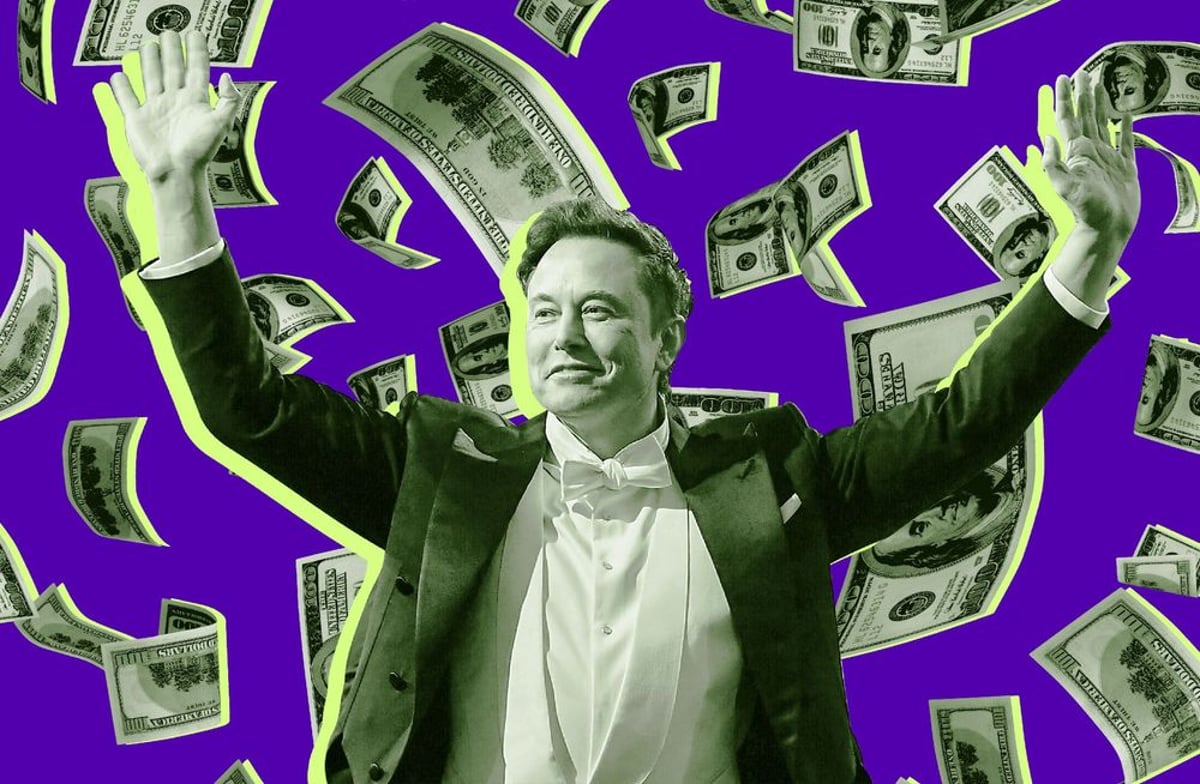
Tesla shareholders just handed Elon Musk the keys to history's largest corporate payout - a staggering $1 trillion compensation package that could transform him into the world's first trillionaire. The 75% approval vote came despite fierce opposition from major investors and comes at a time when Tesla's market position faces unprecedented challenges from Chinese competitors and political backlash.
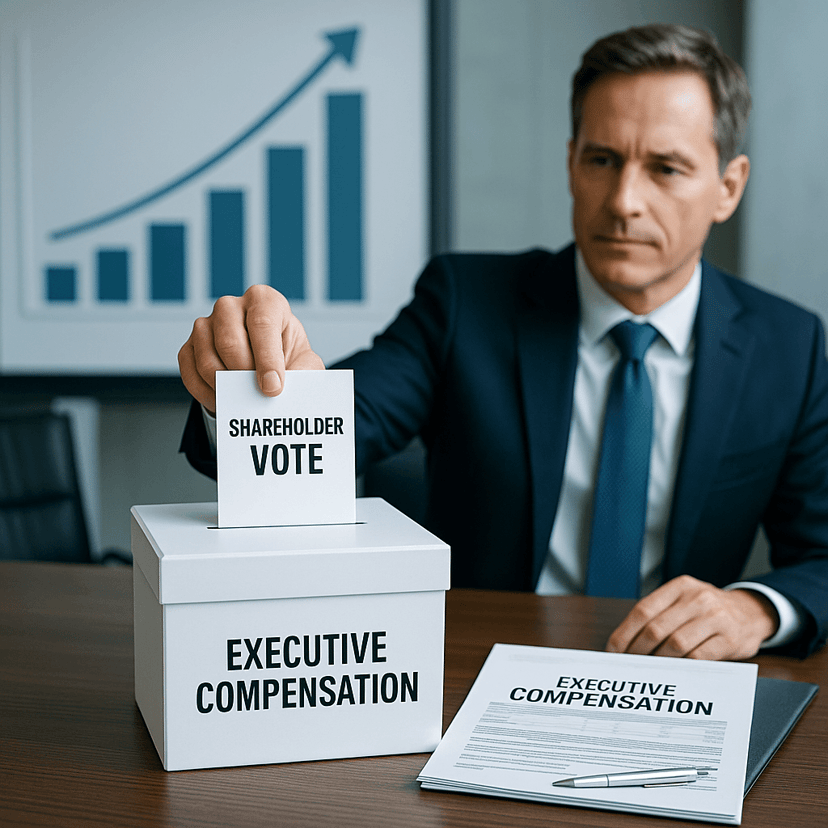
Tesla shareholders just rewrote the rules of corporate compensation, voting Thursday to approve what could become a $1 trillion payday for Elon Musk - the largest CEO compensation package in corporate history. The decisive 75% approval sends a clear message that investors are betting big on Musk's vision of an AI-powered robotics empire, even as the company faces its toughest challenges yet.
The mammoth package awards Musk 423 million additional shares, boosting his stake from 15% to 25% of the electric vehicle giant. But there's a catch - this isn't guaranteed money. Musk must hit a series of audacious milestones that would fundamentally transform Tesla from an automaker into something resembling his promised "robot army."
The performance targets read like science fiction: Tesla's market capitalization must balloon from its current $1.5 trillion to $8.5 trillion within a decade. Musk must also deploy 1 million robotaxis, sell 12 million additional vehicles, secure 10 million Full Self-Driving subscriptions, and manufacture 1 million humanoid robots. It's an ambitious roadmap that would cement Tesla's position as the world's dominant AI and robotics company.
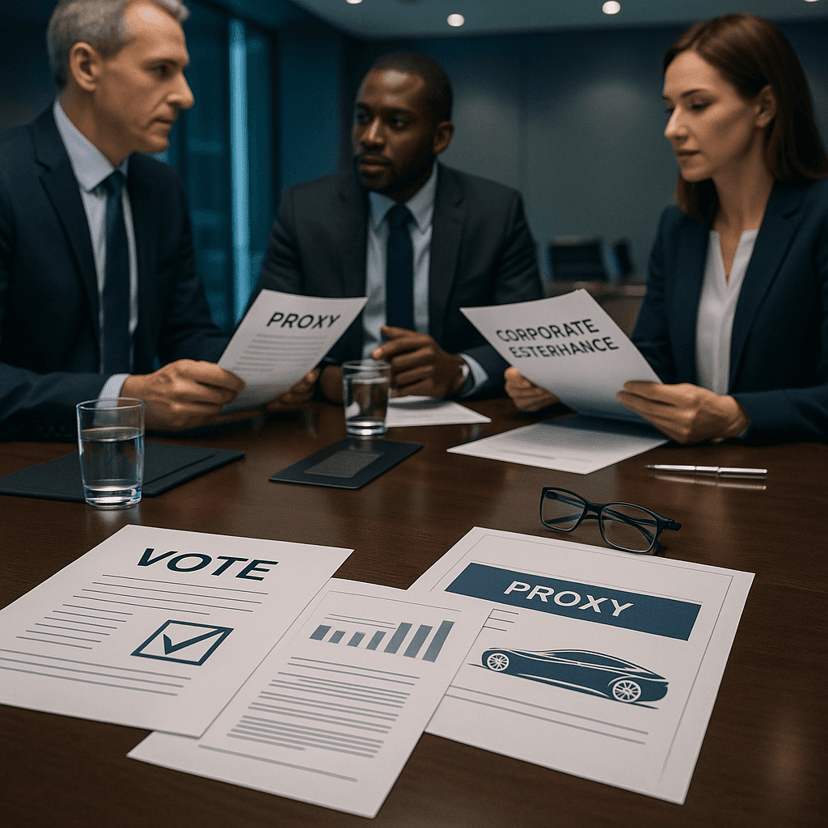
The vote wasn't without drama. Norway's sovereign wealth fund, managed by Norges Bank Investment Management, led opposition alongside pension funds representing teachers and New York City workers. Major proxy advisory firms Institutional Shareholder Services and Glass Lewis also recommended against the package, calling it excessive even by Silicon Valley standards.
This compensation battle has deep roots. Musk's previous $50 billion package was struck down by a Delaware court last year after a judge ruled that Tesla's board lacked independence from its celebrity CEO. Shareholders had twice approved that hefty payout, but the legal challenge invalidated it entirely. Tesla has appealed to the Delaware Supreme Court, while simultaneously moving the company's legal home to Texas - another shareholder-approved Musk initiative.
The timing couldn't be more precarious for Tesla. Musk's high-profile political activities, including his role in President Trump's Department of Government Efficiency and controversial cost-cutting proposals, have sparked nationwide protests and contributed to a steep sales decline according to recent earnings reports. The expiration of federal EV tax credits threatens to accelerate that downturn.
Meanwhile, Tesla's technological promises are showing cracks. The company's robotaxi service in Austin launched earlier this year but still requires safety monitors in every vehicle - a far cry from Musk's predictions of fully autonomous operation. The Cybertruck, Tesla's first new product since 2020, has been widely considered a commercial disappointment with lackluster sales performance.
Chinese automakers are eating into Tesla's market share with competitive EVs at lower price points, while traditional automakers like Ford and GM are rapidly scaling their electric offerings. Tesla's once-commanding lead in the EV space is shrinking month by month.
Yet Tesla's board continues pushing the narrative that the company stands on the verge of an AI revolution that requires Musk's "steady hand on the helm." The compensation package essentially bets Tesla's future on Musk's ability to deliver on promises that have so far remained largely theoretical.
The vote represents more than just executive compensation - it's a referendum on Tesla's strategic direction and shareholders' faith in Musk's increasingly ambitious vision. With the final tally expected in SEC filings within days, investors are clearly wagering that Musk's track record of seemingly impossible achievements will continue, despite mounting evidence that Tesla's position in the market is more fragile than ever.
Tesla's historic compensation vote reflects the high-stakes gamble facing the company: bet everything on Musk's AI and robotics vision, or risk losing him to other ventures. With Chinese competition intensifying and political controversies mounting, shareholders have essentially doubled down on the belief that only Musk can navigate Tesla through its transformation from automaker to technology giant. Whether he can achieve the seemingly impossible milestones - or whether Tesla can maintain its market position long enough to try - will define the next decade for both the company and the broader EV industry.