Factory automation just got a lot more flexible. Theker, a robotics startup building machines that can reconfigure themselves for different tasks, just closed an $85 million funding round - one of the largest robotics raises this year. Unlike the humanoid robots from Boston Dynamics or the specialized arms dominating assembly lines, Theker's betting that the future of manufacturing belongs to machines that don't specialize in anything at all.
Theker just pulled off one of the biggest robotics funding rounds of 2026, and the pitch is elegantly simple: why buy ten specialized robots when one machine can do all their jobs?
The $85 million Series B, first reported by TechCrunch, comes as manufacturers worldwide wrestle with a painful reality. Traditional factory automation locks you into rigid production lines. Need to switch from assembling laptops to building electric vehicle components? That's months of downtime and millions in new equipment.
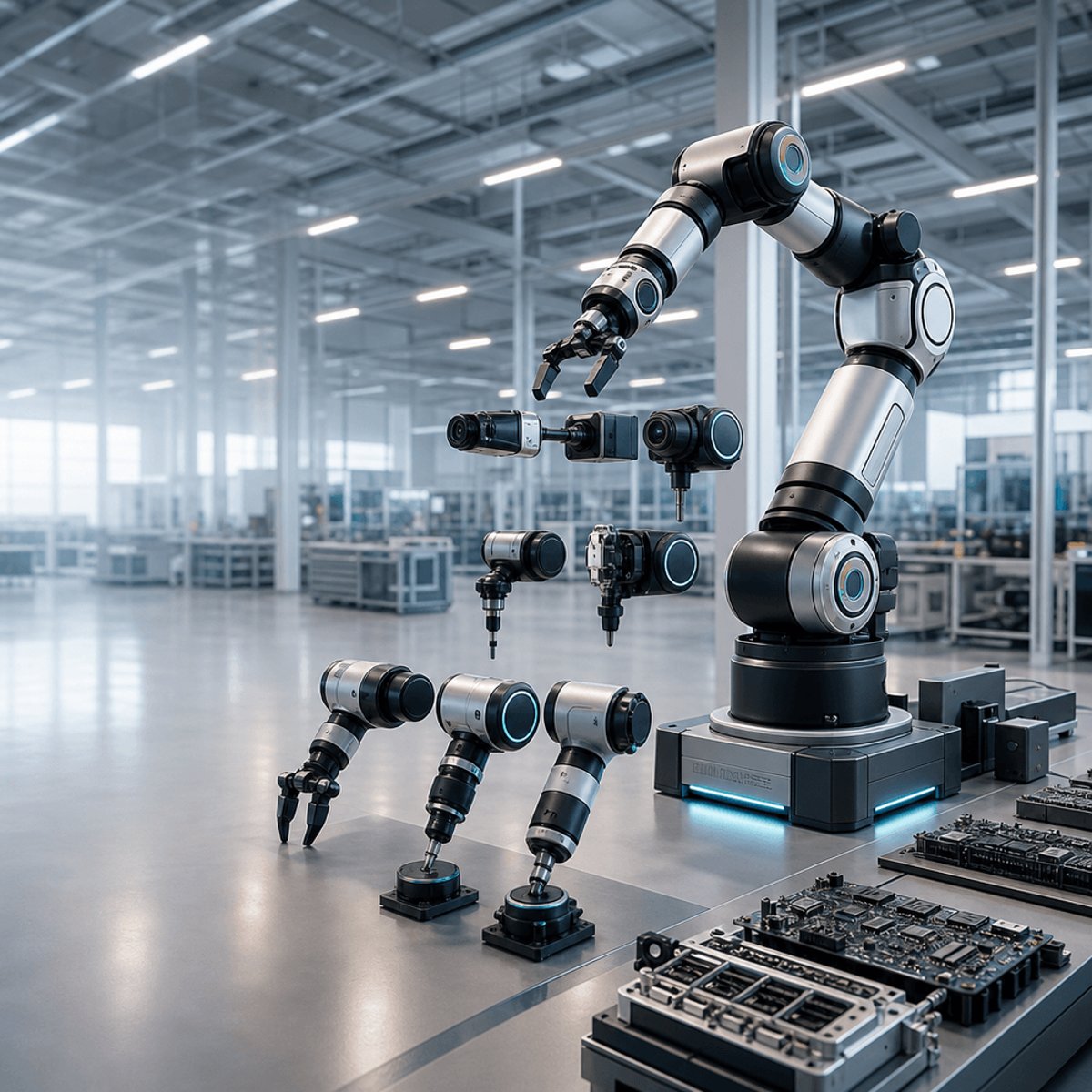
Theker's answer is a robot that rebuilds itself. The company's machines use modular components and AI-driven reconfiguration to adapt between tasks - picking and placing small electronics one hour, handling heavy automotive parts the next. It's the Swiss Army knife approach to a field that's been dominated by specialized tools since the first industrial robot arm rolled out in 1961.
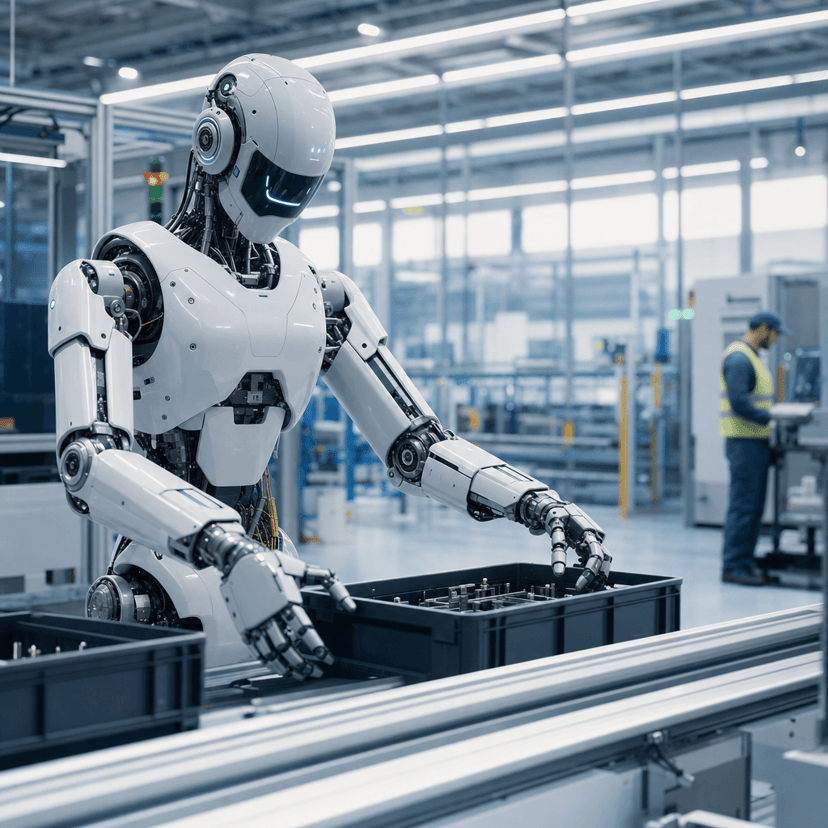
The timing couldn't be better. Manufacturing volatility has exploded over the past few years, with supply chain disruptions and rapid product cycles forcing factories to pivot faster than ever. Boston Dynamics made headlines with humanoid robots designed for warehouse work, but those machines still follow a fixed form factor. Theker's modular philosophy goes further - the entire robot morphs to match the job.
The funding landscape tells the story. While consumer AI grabbed the biggest checks in 2024 and 2025, industrial automation is roaring back. Investors are betting that the real AI revolution happens on factory floors, not just in chatbots and image generators. Theker's $85 million haul puts it in rare company for pure-play robotics startups.
What's particularly interesting is the technology approach. Most factory robots require extensive programming and integration work - often taking skilled technicians weeks to deploy for a single task. Theker's machines reportedly use computer vision and reinforcement learning to adapt on the fly, cutting that deployment time to hours or days. The company hasn't disclosed full technical specs, but the promise of plug-and-play industrial automation has manufacturers paying attention.
The competitive landscape is heating up fast. Amazon has poured billions into warehouse robotics through its acquisition of Kiva Systems, but those machines are purpose-built for logistics. Traditional industrial robotics giants like ABB and Fanuc dominate fixed-automation markets. Theker's carving out a middle ground - robots smart enough to be general-purpose but rugged enough for real factory work.
The market opportunity is massive. Global spending on industrial robotics topped $50 billion in 2025, and most of that went to single-purpose machines. If Theker can prove the economics work - one reconfigurable robot replacing three or four specialized ones - the total addressable market expands dramatically. Factory operators aren't just buying automation anymore; they're buying flexibility as a hedge against uncertainty.
But challenges loom large. Building a robot that's good at everything risks being great at nothing. Manufacturing customers are notoriously conservative, preferring proven solutions over cutting-edge tech. And the startup will face scrutiny on whether its machines can match the speed and precision of specialized equipment in high-volume production.
The $85 million war chest suggests Theker's investors think those hurdles are surmountable. The company will need to prove it with real-world deployments - manufacturers don't buy robotics pitches, they buy uptime and ROI. With this round closed, expect to see Theker pushing hard for marquee customer wins before the end of 2026.
The broader trend is clear. As AI gets better at adapting to new tasks, the case for specialized hardware weakens. Whether that's robots that reconfigure themselves or software that can control wildly different machine types, the era of single-purpose factory automation is facing its first real challenge in decades. Theker just bet $85 million that flexibility beats specialization.
Theker's $85 million bet on reconfigurable robots arrives at a pivotal moment for manufacturing. As factories face mounting pressure to adapt faster and produce more diverse products, the decades-old model of specialized automation is showing cracks. Whether Theker's modular approach can deliver on the promise - matching the precision of purpose-built machines while slashing retooling costs - will determine if this funding round marks a genuine inflection point or just another ambitious robotics pitch. For manufacturers watching from the sidelines, the question isn't whether flexibility matters. It's whether the technology is finally ready to deliver it at scale.