A senior technology adviser to the Trump administration has accused Chinese AI startup Moonshot AI of stealing intellectual property from Anthropic, the San Francisco-based maker of Claude AI. The explosive allegations surface as Washington intensifies scrutiny of Chinese artificial intelligence companies amid growing national security concerns. According to sources familiar with the matter reported by BBC, the claims could trigger new export restrictions and deepen the technological rift between the world's two largest economies.
The Trump administration is turning up the heat on Chinese artificial intelligence companies. A senior White House technology adviser has publicly accused Moonshot AI, one of China's fastest-growing AI startups, of stealing proprietary technology from Anthropic, according to reports from the BBC.
The timing couldn't be more charged. Chinese AI firms are already navigating a minefield of US government restrictions, and these latest allegations threaten to slam shut whatever doors remain open for technological exchange between Washington and Beijing. The accusations specifically target intellectual property related to Anthropic's Claude AI system, though the exact nature of the alleged theft hasn't been made public.
Anthropic, founded by former OpenAI executives including siblings Dario and Daniela Amodei, has positioned itself as a leader in AI safety research. The company's Claude models compete directly with OpenAI's ChatGPT and have attracted billions in funding from tech giants like Amazon and Google. Any compromise of Anthropic's proprietary research would represent a significant breach, not just for the company but for US competitiveness in the global AI race.
Moonshot AI, meanwhile, has emerged as a formidable player in China's crowded AI landscape. The Beijing-based startup, valued at over $2.5 billion in its latest funding round, develops large language models that power chatbots and enterprise applications across Chinese markets. The company has been particularly aggressive in recruiting top AI talent and scaling its computational infrastructure.
But the allegations raise thorny questions about how Chinese companies have managed to close the gap so quickly with their American counterparts. US officials have long suspected that some Chinese tech firms benefit from state-sponsored industrial espionage, though proving such claims in court remains notoriously difficult. China's government has consistently denied orchestrating intellectual property theft, calling such accusations politically motivated.
The Trump adviser's claims, reported without attribution by the BBC, suggest the administration may be preparing new measures to restrict AI technology transfers to China. Washington has already imposed sweeping export controls on advanced semiconductors and chipmaking equipment, effectively cutting off Chinese companies from the cutting-edge hardware needed to train frontier AI models. These IP theft allegations could justify even tighter restrictions on software, algorithms, and AI research collaboration.
For Anthropic, the situation presents a delicate challenge. The company has built its brand around constitutional AI and safety-first development practices. If a competitor did indeed access its proprietary methods through illicit means, it could undermine Anthropic's competitive advantages and raise questions about the security of AI research more broadly. The company hasn't issued a public statement on the allegations.
Industry insiders say the accusations will likely chill the already frosty relationship between American and Chinese AI researchers. Academic conferences that once fostered collaboration have become increasingly politicized, and talent flows between the two countries have slowed to a trickle. Some experts worry that this technological decoupling could actually make AI systems less safe, as researchers lose opportunities to share findings about potential risks and mitigation strategies.
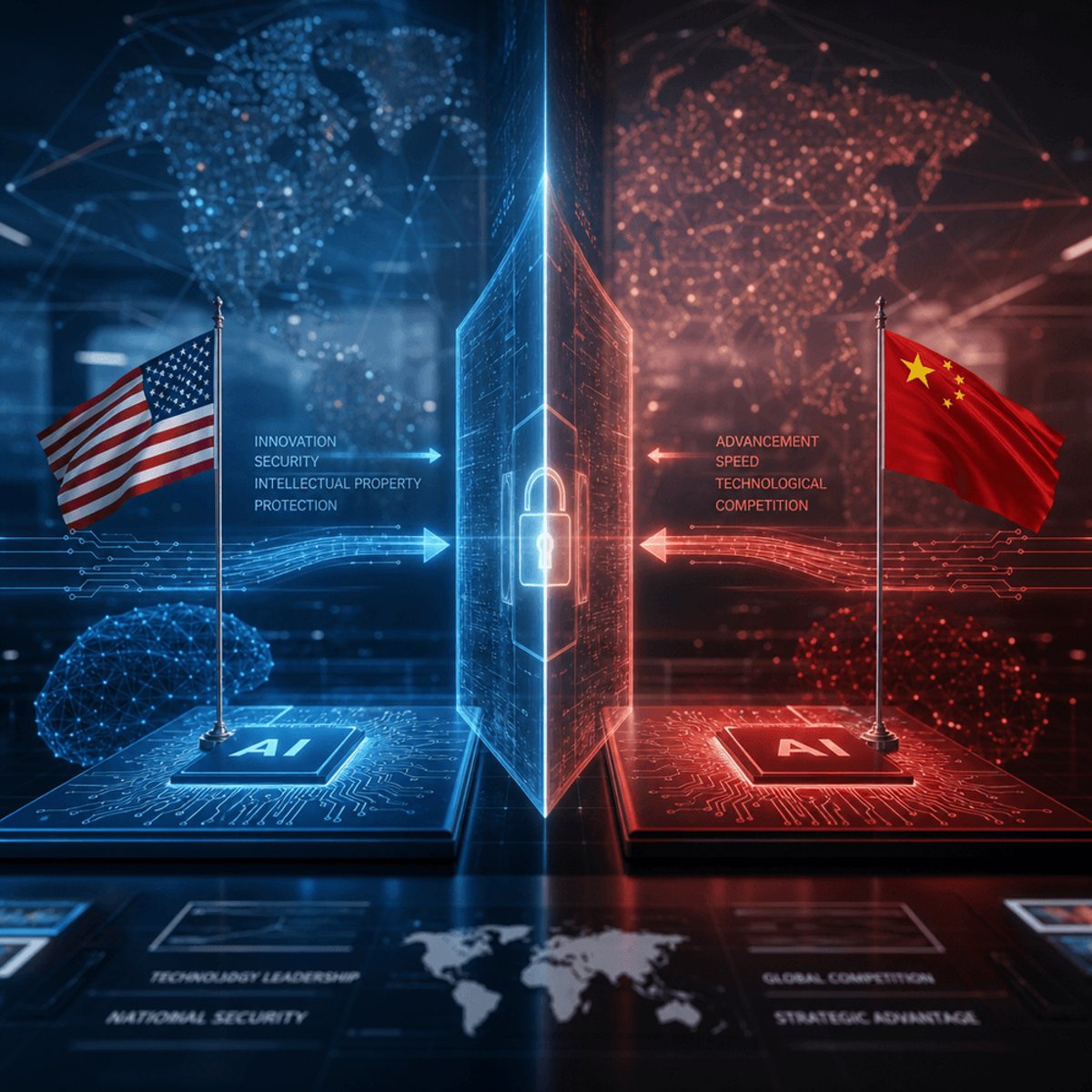
The geopolitical implications extend beyond the tech sector. AI capabilities are increasingly viewed through a national security lens, with both Washington and Beijing treating leadership in artificial intelligence as critical to future military and economic dominance. These IP theft allegations feed into a broader narrative about the US-China competition for technological supremacy.
Neither Moonshot AI nor Chinese government officials have responded to the accusations. The company's silence could reflect the sensitive nature of the allegations or simply the difficulty of responding to claims that lack specific details. Chinese state media has historically dismissed similar accusations as attempts to contain China's technological rise.
What happens next likely depends on whether the Trump administration backs up these accusations with concrete evidence and enforcement actions. If the allegations remain vague, they may simply add to the background noise of US-China tech tensions. But if officials produce documentation of IP theft, it could trigger sanctions, criminal charges, or new regulatory frameworks that fundamentally reshape how American AI companies protect their innovations.
The Trump adviser's accusations against Moonshot AI mark a new flashpoint in the already tense US-China technology rivalry. Whether these claims lead to concrete action or remain in the realm of political rhetoric, they signal that AI intellectual property has become ground zero in the battle for technological supremacy. For companies like Anthropic, the allegations underscore the challenges of protecting innovations in an industry where talent is mobile, code is digital, and the stakes couldn't be higher. As Washington and Beijing continue their technological decoupling, the global AI industry faces a future defined less by collaboration and more by competition, suspicion, and parallel development tracks that may never converge.