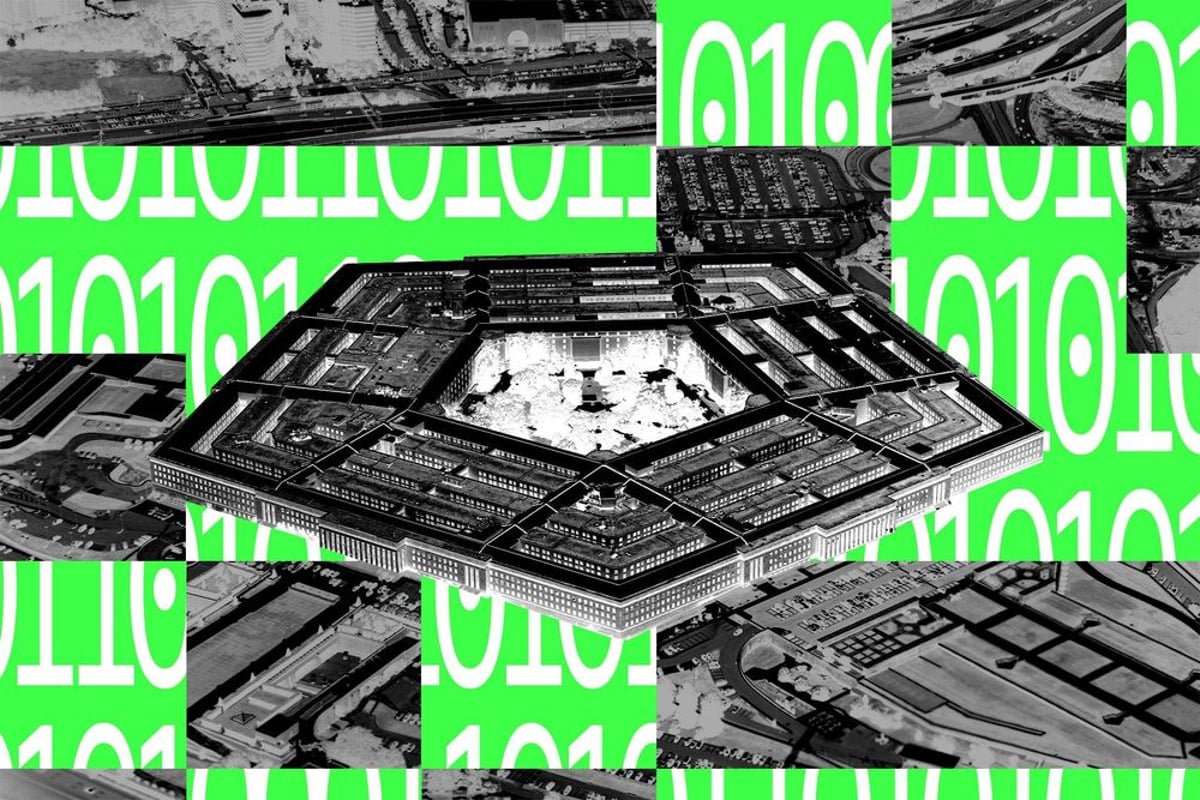
While Americans celebrated World Cup glory and the Knicks' championship run, Anthropic was fighting for its business. At 5:21 PM Friday, the AI startup received an unprecedented export control directive from the Trump administration - suspend access to Claude Mythos 5 and Fable 5 for "any foreign national" anywhere in the world, including the company's own international employees. The directive left Anthropic with one impossible choice: completely shut down the models it spent a week promoting, pack bags for Washington, and try to change the president's mind before Monday.
The timing couldn't have been worse. As Anthropic prepared for what should have been a victory lap following its Claude Mythos 5 and Fable 5 launch, a late-Friday directive from the Trump administration threw the company into crisis mode. The export control order, delivered at 5:21 PM, demanded the immediate suspension of model access for foreign nationals - a category so broad it effectively forced a complete shutdown.
According to The Verge's reporting, Anthropic determined the only way to comply was to disable both models entirely. The alternative - somehow filtering access by nationality for users and even employees worldwide - proved technically impossible on the government's timeline. So the company's leadership did what any startup facing existential threat would do: they got on a plane to DC.
The export control represents an escalation nobody in Silicon Valley saw coming. While the Biden administration had discussed potential AI export frameworks and various proposals floated through policy circles, actually pulling the trigger on frontier models already in deployment breaks new ground. The directive specifically targets foreign nationals regardless of location, meaning even US-based employees with H-1B visas or green cards fall under the restriction.
For Anthropic, the stakes extend beyond Mythos 5 and Fable 5. The company's entire business model depends on deploying cutting-edge AI broadly while maintaining safety guardrails. Emergency restrictions that force wholesale shutdowns threaten that balance. The models in question represent months of development work and significant compute investment - resources now sitting idle while lawyers and executives negotiate.
The Trump administration's rationale remains somewhat opaque, but national security concerns around advanced AI capabilities have been building for months. Lawmakers from both parties have raised alarms about potential adversaries accessing frontier AI through various channels - from direct API access to model weights leaking through careless deployment. What makes this action unprecedented isn't the concern itself, but the speed and scope of enforcement.
Anthropics isn't alone in facing new export scrutiny. OpenAI, Google, and other frontier AI developers have all been consulting with the Commerce Department on potential restrictions. But being first to actually face an enforcement action puts Anthropic in uncharted territory. The company now serves as a test case for how aggressive the government will be in controlling AI diffusion.
The weekend negotiations in Washington focused on finding middle ground between national security imperatives and business reality. Sources familiar with the discussions say Anthropic proposed alternative compliance mechanisms - enhanced logging, restricted access tiers, geographic limitations - anything to avoid a complete shutdown. Whether those proposals gain traction depends on how flexible the Trump administration proves willing to be.
What complicates matters further is Anthropic's workforce composition. Like most AI companies, the startup employs researchers and engineers from around the world. Blocking foreign national employees from accessing the models they helped build creates operational chaos. Code reviews stall, debugging becomes impossible, and the international talent that makes frontier AI development possible suddenly finds itself sidelined.
Competitors are watching closely to see what precedent emerges. If the government can force Anthropic to disable models post-launch with minimal notice, what stops similar actions against GPT-5, Gemini Ultra, or whatever comes next? The prospect of investing billions in model development only to face sudden access restrictions changes the risk calculus for everyone building advanced AI.
The broader policy implications ripple beyond any single company. Export controls traditionally apply to chips, software code, or physical technology - things that can be contained and tracked. Applying the same framework to AI models accessed via API raises thorny questions. How do you verify user nationality when someone accesses Claude through a web browser? What about developers building on top of Anthropic's platform who serve international customers?
Some industry observers argue the administration's move, however disruptive, reflects necessary caution around powerful AI systems. The capabilities demonstrated by Mythos 5 and Fable 5 in particular - the technical details of which Anthropic had just begun sharing publicly - apparently triggered enough concern to warrant immediate action. But the lack of clear process or advance warning troubles even those sympathetic to export control logic.
For now, Anthropic's latest models remain dark while negotiations continue. The company faces pressure from customers who adopted the technology, investors who funded its development, and employees whose work sits frozen. How long the standoff lasts depends on whether the White House sees value in compromise or views strict control as non-negotiable.
What happens next will shape AI governance for years. If Anthropic successfully negotiates a middle path, other companies gain a roadmap for working within export restrictions while maintaining operations. If the shutdown becomes permanent or drags on indefinitely, it sends a chilling signal about the risks of pushing frontier AI capabilities - at least from US-based companies subject to American jurisdiction.
Anthropic's emergency shutdown marks a watershed moment in AI regulation. What started as a routine model launch turned into a constitutional test of how far the government can go in restricting AI technology. The outcome won't just determine whether Mythos 5 and Fable 5 come back online - it'll establish whether frontier AI companies can operate with any predictability, or if they're perpetually one Friday evening directive away from having their business pulled out from under them. For an industry built on moving fast and pushing boundaries, that uncertainty might prove more dangerous than any specific restriction.