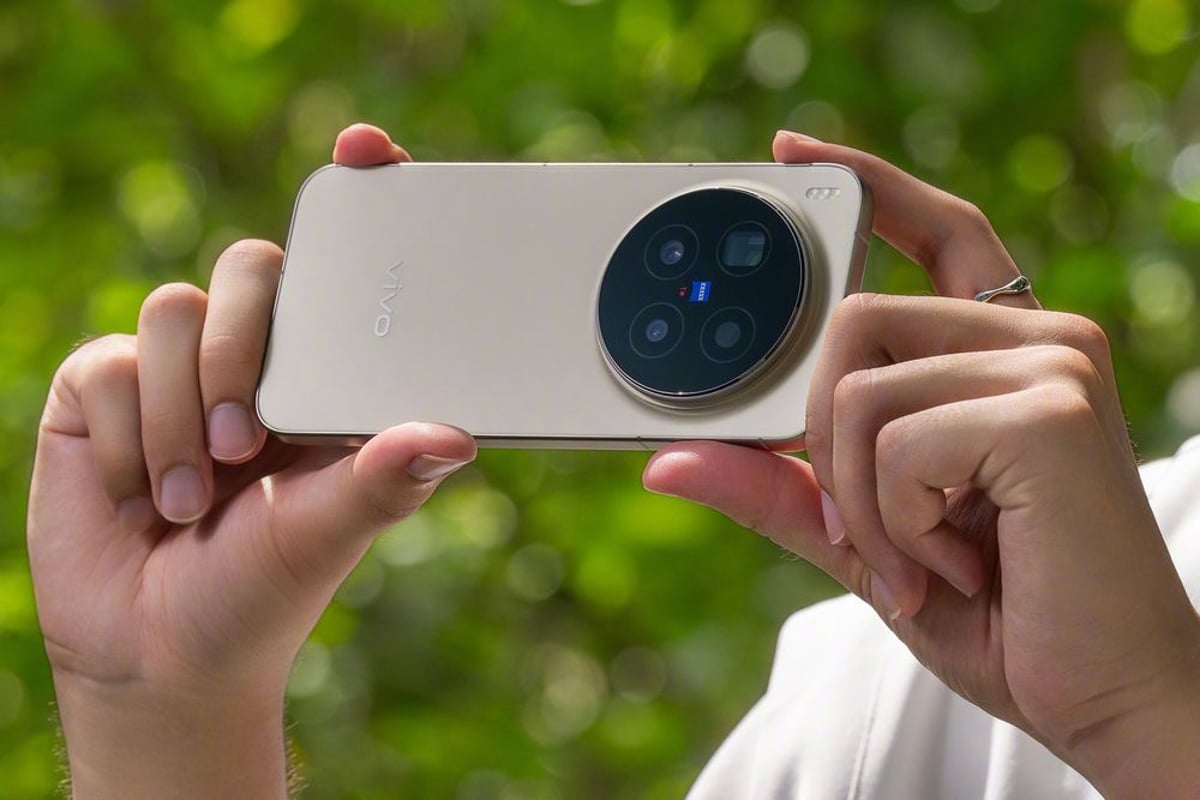
Vivo just dropped two flagship phones that blur the line between mainstream and premium. The X300 Pro packs camera specs that rival its $1000+ Ultra models, while the regular X300 delivers flagship photography for just $620. Both phones support Vivo's unique telephoto extender accessory - a first for non-Ultra devices.
Vivo's latest flagship duo represents a bold strategy shift. The Chinese smartphone maker is bringing its acclaimed Ultra-level camera technology down to more accessible price points, potentially shaking up the premium smartphone hierarchy.
The standout feature is camera parity with premium models. The X300 Pro's telephoto setup uses the same 200-megapixel Samsung HPB sensor found in the X200 Ultra, delivering 85mm-equivalent focal length through an f/2.67 aperture. Meanwhile, its main camera actually surpasses the Ultra with Sony's newest LYT-828 sensor and faster optics.
"We've been preparing for this shift since Q2," industry analysts suggest, as Samsung's sensor collaboration enables Vivo to democratize professional photography features. The move puts pressure on competitors like Apple and Google to justify their premium pricing.
The telephoto extender changes everything. This 2.35x optical attachment, previously exclusive to the X200 Ultra, now works across Vivo's flagship lineup. The accessory transforms already impressive telephoto cameras into long-range photography systems that no other smartphone manufacturer offers. It's sold separately for ¥1,299 ($180) or bundled with mounting hardware for ¥1,499 ($210).
Technically, both phones run MediaTek's Dimensity 9500 chipset, positioning them against Qualcomm's Snapdragon 8 Elite. The silicon choice reflects MediaTek's growing influence in flagship devices, especially as Chinese brands seek alternatives to U.S. chip suppliers.
Battery technology deserves attention. Vivo claims its 6,510mAh and 6,040mAh silicon-carbon batteries perform like 7,500mAh and 7,000mAh conventional cells thanks to efficiency optimizations. If true, this addresses the biggest complaint about camera-focused smartphones - poor battery life.
Size differentiation is smart. The X300 Pro targets large-phone enthusiasts with a 6.78-inch display, while the regular X300 offers a more pocketable 6.31-inch screen. Both phones stay remarkably thin below 8mm, addressing bulk concerns from camera-heavy designs.
Software represents a major shift. The new OriginOS 6 will finally replace Vivo's terrible Funtouch OS in international markets. This could remove a significant barrier to Western adoption, as software experience has historically hurt Chinese brands abroad.
Pricing strategy reveals Vivo's ambitions. Starting at ¥4,399 ($620) for the X300 and ¥5,299 ($745) for the Pro, these phones undercut Samsung Galaxy S series and Apple iPhone pricing while offering comparable or superior camera specs.
The competitive implications are significant. Vivo is essentially offering Ultra-grade photography at mainstream flagship prices, forcing rivals to reconsider their camera strategies. The telephoto extender ecosystem creates a unique differentiation moat that other brands can't easily replicate.
Global availability remains uncertain, though Vivo typically launches flagships across Asia and select European markets. An X300 Ultra is likely planned for early 2026, but the company faces an interesting challenge: how do you improve on phones that already match your premium models?
Vivo's X300 series represents a strategic masterstroke - bringing Ultra-grade cameras to mainstream prices while introducing unique accessories that no competitor offers. The telephoto extender ecosystem could become Vivo's secret weapon in premium markets, while the improved OriginOS software removes a key barrier to global expansion. If the battery efficiency claims prove accurate and global availability follows, these phones could force the entire industry to rethink flagship camera pricing.