TL;DR:
• White House confirms legal review ongoing for Trump's 15% chip revenue deals
• Commerce Department working out mechanics as legal experts warn of complications
• Deal could expand to other companies, affecting billions in AI chip exports
• China responding by urging firms to avoid Nvidia H20 chips
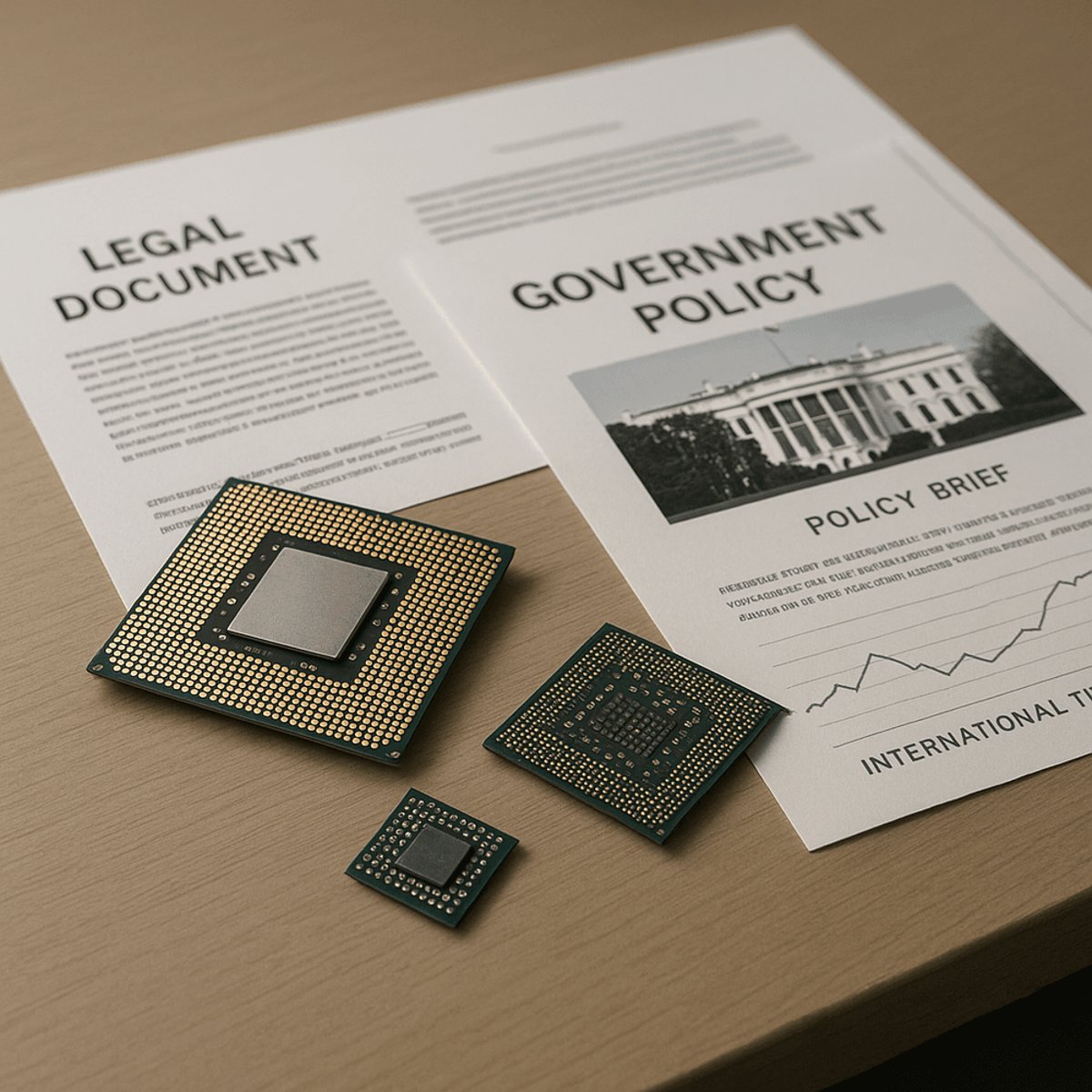
The Trump administration is scrambling to work out the legal mechanics of President Trump's unprecedented 15% revenue-sharing deal with chip giants Nvidia and AMD, with the Department of Commerce still reviewing whether the arrangement violates existing export licensing laws. The admission from White House spokesperson Karoline Leavitt reveals growing uncertainty around a deal that could reshape how the U.S. monetizes strategic technology exports.
The Trump administration just admitted it's flying blind on one of its most controversial trade moves. White House spokesperson Karoline Leavitt revealed Tuesday that the Department of Commerce is still "ironing out" the legal framework for President Trump's surprise 15% revenue-sharing arrangement with Nvidia and AMD on China chip sales.
"The legality of it, the mechanics of it, is still being ironed out by the Department of Commerce," Leavitt told reporters, deflecting questions about implementation details to an agency that hasn't responded to requests for comment.
The admission comes as trade lawyers sound alarms about potential violations of existing export licensing laws. Legal experts warned this week that Trump's demand for a government revenue cut may conflict with regulations governing how agencies can charge fees for export licenses.
Trump announced the deals Monday, confirming he'd negotiated export license approvals for Nvidia's China-specific H20 AI chip in exchange for 15% of revenue. "I said, 'If I'm going to do that, I want you to pay us as a country something, because I'm giving you a release,'" Trump explained, treating export licenses like a commercial transaction rather than a national security tool.
The stakes are massive. Nvidia was on track to sell over $8 billion worth of H20 chips in a single quarter before the Trump administration required export licenses in April. That's potentially $1.2 billion in government revenue from Nvidia alone, assuming the legal framework holds up.
Leavitt hinted the arrangement could expand beyond the current duopoly. "Right now it stands with these two companies. Perhaps it could expand in the future to other companies," she said, suggesting a broader monetization strategy for U.S. technology exports.
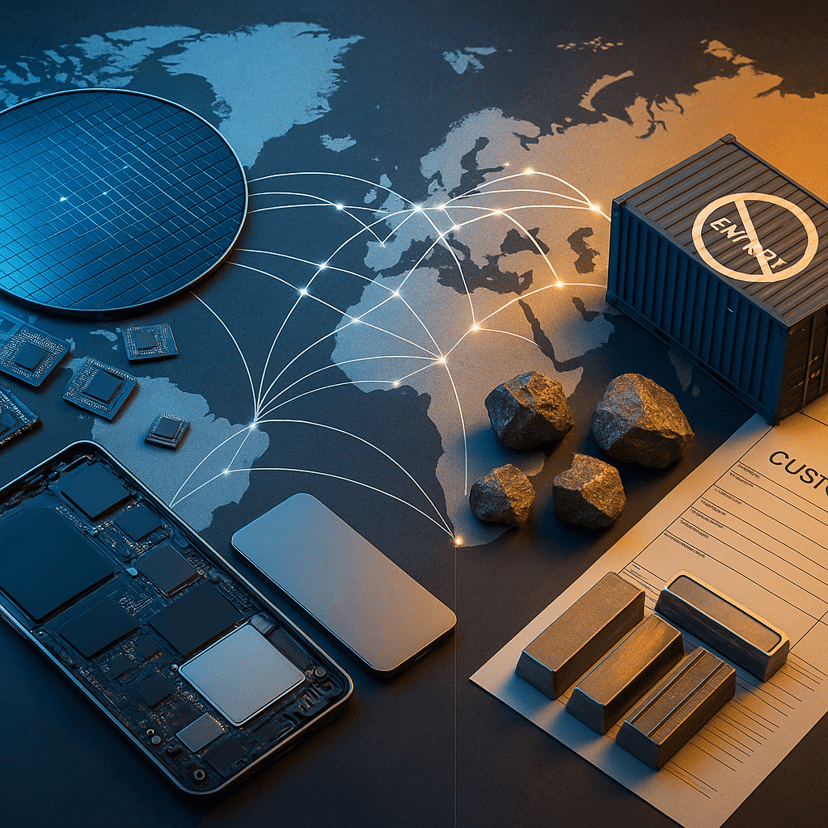
Meanwhile, China is pushing back through market pressure rather than policy. Bloomberg reported Tuesday that Chinese authorities are quietly discouraging local companies from using Nvidia's H20 chips for any government or national security work, effectively creating a parallel sanctions regime.
The H20 represents Nvidia's careful dance with U.S. export controls. The chip is deliberately slowed down compared to the H100 and H200 models used domestically, designed to comply with Biden-era restrictions while preserving access to China's massive AI market. Nvidia CEO Jensen Huang's White House visit in July apparently sealed the current arrangement.
Nvidia has remained diplomatically neutral, stating only that it "follows rules the U.S. government sets for our participation in worldwide markets." But the company's compliance masks a fundamental shift in how Washington views strategic technology exports – from national security tools to revenue generators.
Trump's chip revenue-sharing experiment represents uncharted territory in U.S. trade policy, essentially turning export licenses into profit centers. But with legal questions mounting and China responding through market pressure, the administration's rush to monetize strategic technology exports could backfire. The Department of Commerce's ongoing review will determine whether this becomes a new model for U.S.-China tech relations or a cautionary tale about mixing national security with revenue generation.