WIRED just dropped its comprehensive sleep gift guide, featuring expertly tested products ranging from melatonin sprays to smart sleep trackers. The curated collection addresses different sleep challenges and budgets, offering practical solutions for the growing wellness tech market that continues to prioritize sleep optimization.
WIRED has released its annual sleep gift guide, showcasing 10 carefully tested products that promise to transform bedtime routines into optimized wellness experiences. The timing couldn't be better as holiday shoppers increasingly seek functional gifts that deliver real health benefits.
The guide opens with Onnit's Instant Melatonin Mist at just $13, which WIRED reviewer Molly Higgins found effective from night one. The spray delivers 3 milligrams of melatonin - exactly what sleep specialists recommend for beginners - in mint or lavender flavors. It's the kind of affordable, practical gift that addresses America's widespread sleep struggles without breaking budgets.
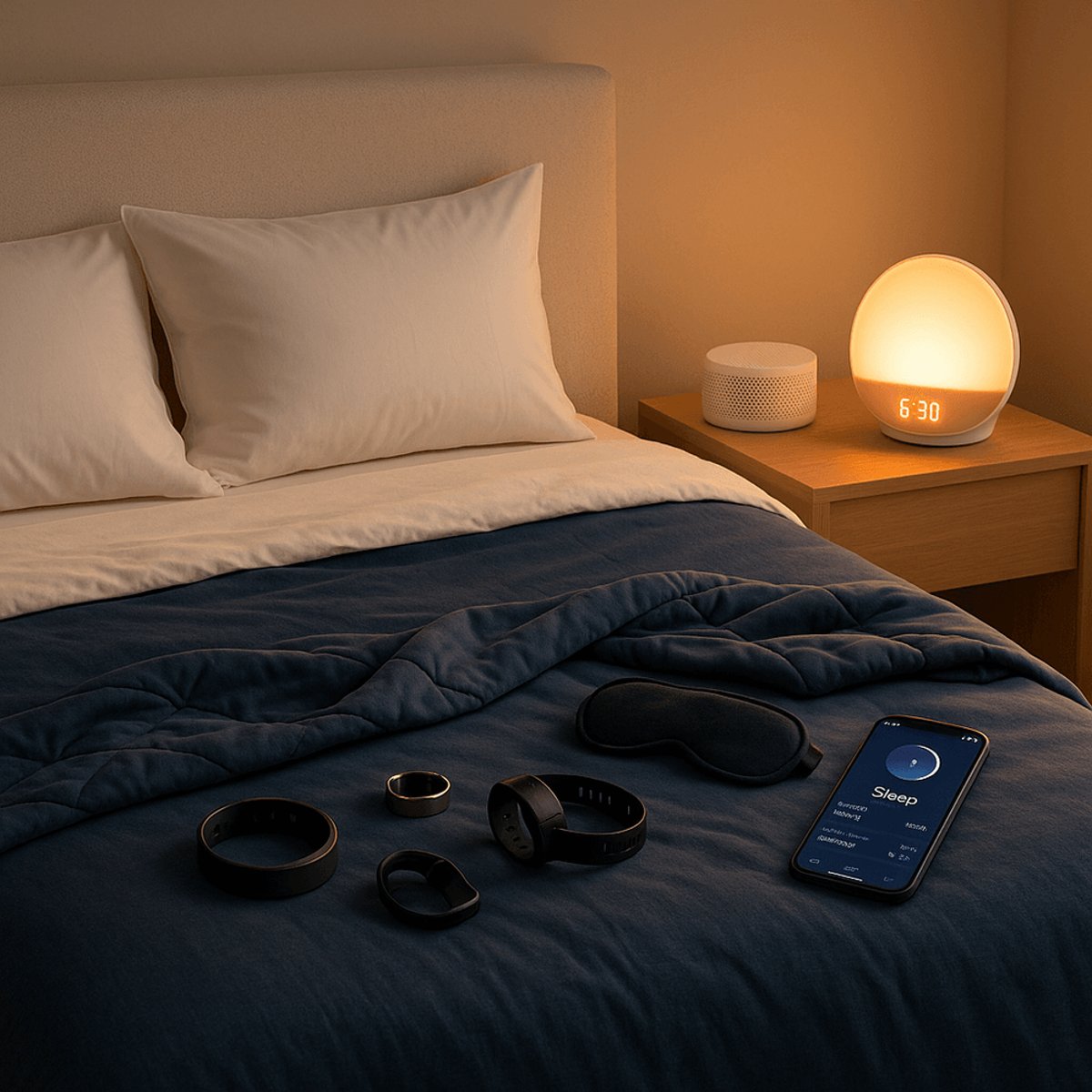
But WIRED doesn't stop at supplements. The Oura Ring 4 takes center stage as the premium option at $349, targeting what the guide calls "sleep schedule biohackers." Reviewer Adrienne So praised its comprehensive tracking of sleep efficiency, REM cycles, and automatic nap detection. The timing aligns perfectly with growing consumer interest in quantified self-movement and the $15 billion wearable technology market.
The guide cleverly segments products by user type rather than price point. For frequent travelers, they recommend the Manta Sound Sleep Mask at $155 (currently discounted to $99), which combines light blocking with Bluetooth speakers. It's addressing the specific pain point of maintaining sleep routines while traveling - something millions of business travelers can relate to.
Tech integration appears throughout the recommendations. The Hatch Restore 3 sunrise alarm clock doubles as a sound machine with 58 different audio options and customizable bedtime routines controlled via smartphone app. WIRED reviewer Nena Farrell noted that while a $3 monthly subscription unlocks premium features, the device successfully reduces harsh phone alarms that jar users awake.
Interestingly, WIRED includes several non-tech solutions that complement digital wellness tools. Bearaby's Tree Napper weighted blanket uses sustainable Tencel fibers and open-knit design for breathability, addressing anxiety-related sleep issues with therapeutic pressure rather than electronic monitoring.
The guide reflects broader market trends toward sleep optimization. According to the Global Wellness Institute, the sleep economy reached $432 billion in 2022, driven by consumers recognizing sleep's impact on productivity, mental health, and longevity. WIRED's emphasis on tested products rather than marketing claims provides valuable credibility in an often overcrowded wellness space.
Practical considerations shine through each recommendation. The $40 LectroFan Micro2 portable sound machine offers dual functionality as both sleep aid and travel speaker. Products like Hugz weighted stuffed animals at $58 target specific demographics - children and "those young at heart" - with therapeutic benefits in an approachable format.
Even luxury recommendations serve practical purposes. Boll & Branch's flannel sheets at $349 target gift-givers seeking "splurge-worthy" items for recipients who wouldn't buy premium bedding themselves. It's a smart positioning that recognizes how gifting often provides permission to experience higher-quality products.
The guide's structure reflects WIRED's editorial expertise in making complex technology accessible. Each product includes specific reviewer names, detailed testing insights, and clear use-case scenarios. This approach builds trust while helping readers match products to their specific sleep challenges or gift recipients.
WIRED's sleep gift guide exemplifies how expert curation adds value in saturated wellness markets. By combining rigorous testing with practical gifting scenarios, the publication bridges the gap between consumer interest in sleep optimization and actionable product recommendations. As the sleep economy continues expanding, guides like this help consumers navigate beyond marketing hype toward evidence-based solutions that actually improve rest quality.