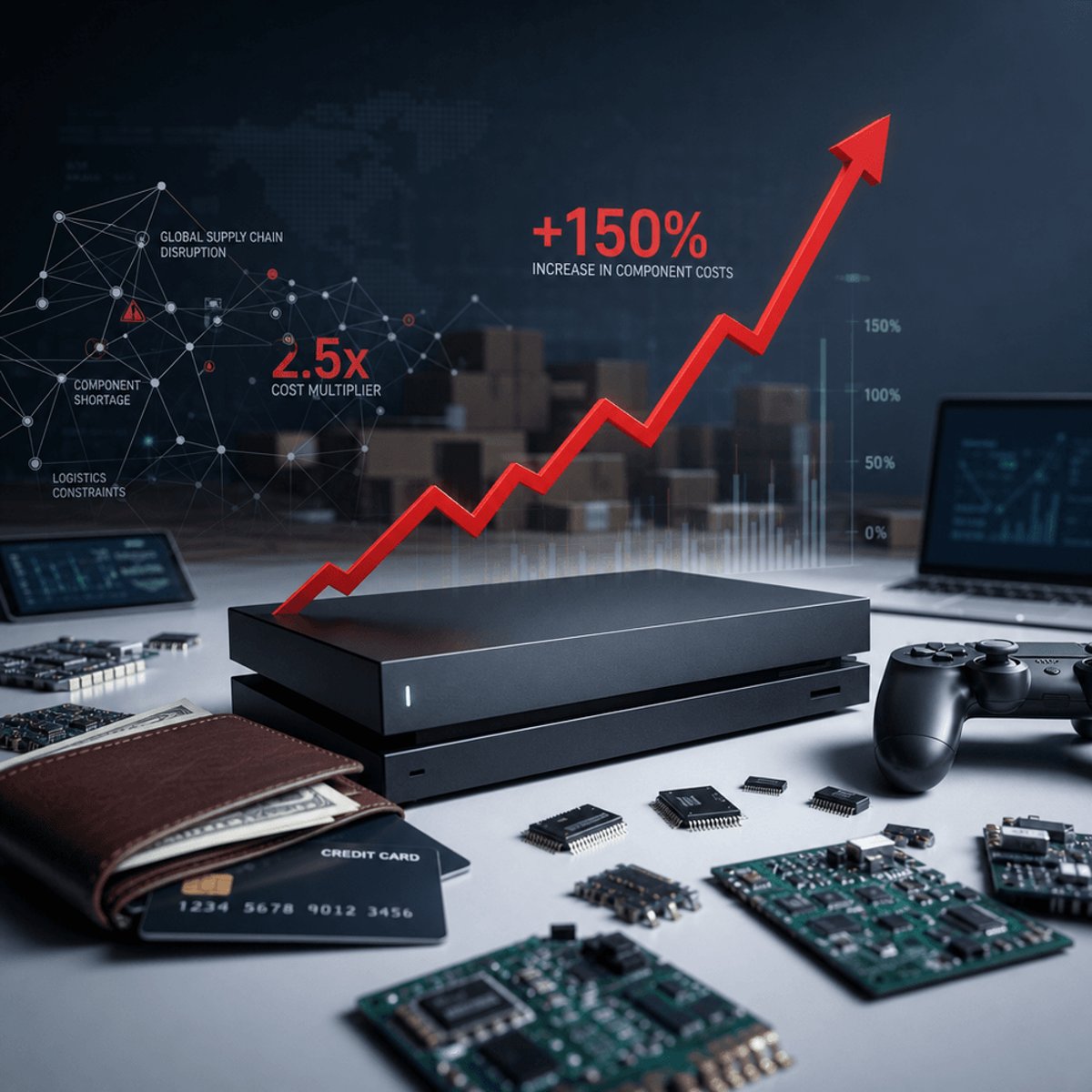
Microsoft just delivered another blow to gamers' wallets. Xbox is raising console prices, citing a brutal memory cost surge that's hit 2.5 times previous levels. The move comes weeks after Apple implemented similar increases, signaling that the industry-wide storage crisis has now swept across PCs, tablets, and gaming consoles. For millions of Xbox players, this means paying more for hardware that was supposed to get cheaper over time.
Microsoft just made the move every gamer dreaded. Xbox consoles are getting more expensive, and the company's pointing directly at a memory crisis that's reshaping the entire consumer tech landscape. The announcement, reported by TechCrunch, confirms what industry watchers have been predicting for months - no one's escaping this supply crunch.
The numbers tell a stark story. Memory and console storage prices have exploded to more than 2.5 times their previous levels, according to Microsoft's statement. That's not a minor fluctuation or temporary blip. It's a fundamental shift in component economics that's forcing hardware makers to choose between absorbing massive losses or passing costs to consumers. Microsoft chose the latter.
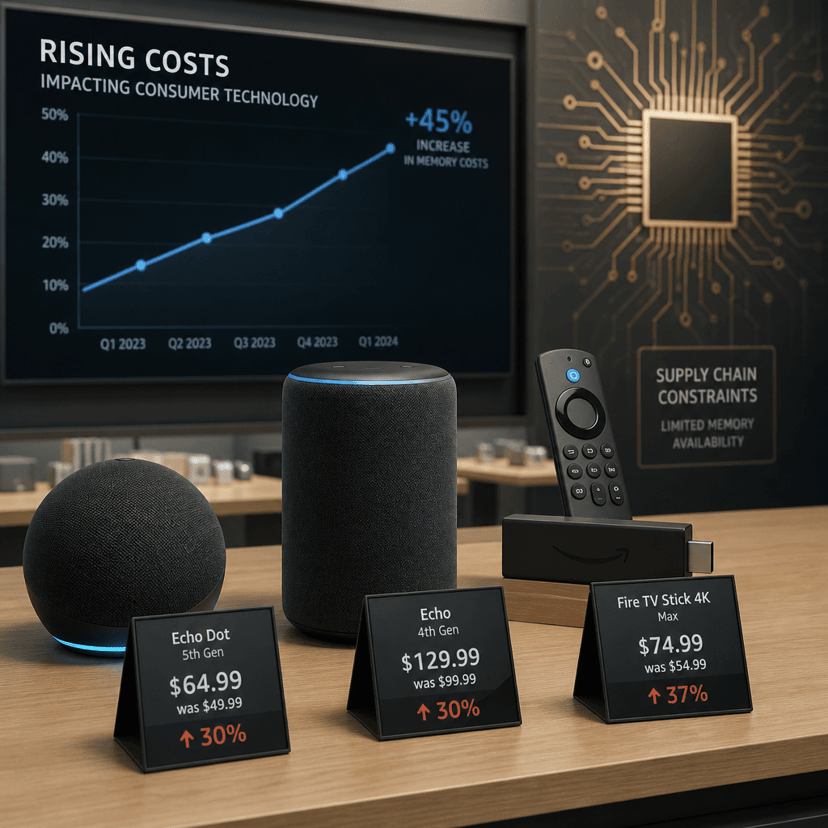
This doesn't happen in isolation. Apple moved first, implementing its own price increases just weeks ago as NAND flash and DRAM shortages tightened across global supply chains. Now Xbox's decision confirms the crisis has spread from premium laptops and tablets into mass-market gaming hardware. The pattern's clear - if you make devices with storage, you're raising prices or bleeding margin.
The timing couldn't be worse for Microsoft's gaming ambitions. The company's been pushing Xbox Game Pass as its future, trying to convert players from one-time hardware buyers into recurring subscribers. But higher console prices create a bigger barrier to entry, potentially slowing the ecosystem growth that makes Game Pass economics work. It's a strategy collision driven by supply chain realities.
What's driving this memory apocalypse? Industry sources point to a perfect storm - semiconductor fab capacity constraints, surging demand from AI data centers competing for the same NAND and DRAM supply, and geopolitical tensions disrupting manufacturing in key Asian production hubs. When hyperscalers are paying premium prices for server memory, consumer electronics makers lose negotiating power.
The impact ripples beyond just sticker shock. Game developers optimizing titles for current Xbox specs now face a market where fewer players can afford the hardware to run them. Third-party accessory makers who priced products assuming stable console costs suddenly look expensive by comparison. And competitors like Sony's PlayStation face the same cost pressures, meaning there's no escape by switching ecosystems.
For Microsoft, this represents a rare moment of vulnerability in its gaming division. The company's spent years trying to position Xbox as the accessible, consumer-friendly alternative to walled-garden competitors. Price increases undermine that positioning, even when the reasons are largely outside Microsoft's control. Perception matters in console wars.
The broader question is how long these elevated costs persist. Memory market dynamics typically cycle between shortage and oversupply as manufacturers adjust capacity. But with AI infrastructure build-outs showing no signs of slowing, and consumer device makers simultaneously pushing higher-capacity configs, supply-demand balance looks quarters away at best. That means these price levels might stick around.
Gaming industry analysts are already revising their Xbox install base projections downward for the year. Every $50 price increase cuts off a segment of budget-conscious buyers, particularly in emerging markets where Microsoft hoped to expand. The company's probably running models on how much hardware revenue loss they can tolerate before it impacts Game Pass subscriber acquisition costs.
What's telling is Microsoft's transparency about the cause. Rather than quietly adjusting SKU prices or discontinuing lower-tier models, the company explicitly called out memory and storage costs. That suggests they're preparing customers and investors for a longer-term pricing environment shift, not just a temporary adjustment they'll roll back next quarter.
The Xbox move also validates Apple's earlier decision. When Apple raised prices, some observers questioned whether it was supply-driven or margin optimization. Microsoft's matching action, backed by specific cost multipliers, confirms the underlying component crisis is real and industry-wide. This isn't about companies getting greedy - it's about basic input cost pass-through.
For consumers, the message is unavoidable. Whether you're buying a laptop, tablet, or gaming console, expect to pay more for storage in 2026. The era of steadily declining memory prices that defined the past decade has paused, maybe reversed. Budget accordingly, or wait and hope supply eventually catches up to demand.
Microsoft's Xbox price increase marks the completion of a supply chain crisis arc that's touched every corner of consumer tech. What started as whispers about memory shortages has become a wallet reality for millions of gamers. The 2.5x cost multiplier Microsoft cited isn't just a number - it's a signal that the economics of hardware have fundamentally shifted, at least for now. As AI infrastructure and consumer devices battle for the same memory chips, shoppers are caught in the crossfire. The only question left is whether competitors follow suit or try to absorb the pain, and how long before supply chains rebalance enough to reverse these hikes.