Job hunting just got a lot weirder. Millions of candidates are now sitting down for video interviews with AI avatars instead of human recruiters, and the technology is sparking fierce debate about the future of hiring. Companies like CodeSignal, Humanly, and Eightfold are rolling out AI-powered interview bots that ask questions, analyze responses, and evaluate candidates - all without a single human in the room. Proponents say it democratizes access by letting companies interview virtually every applicant. Critics warn it's depersonalizing one of the most human experiences in professional life.
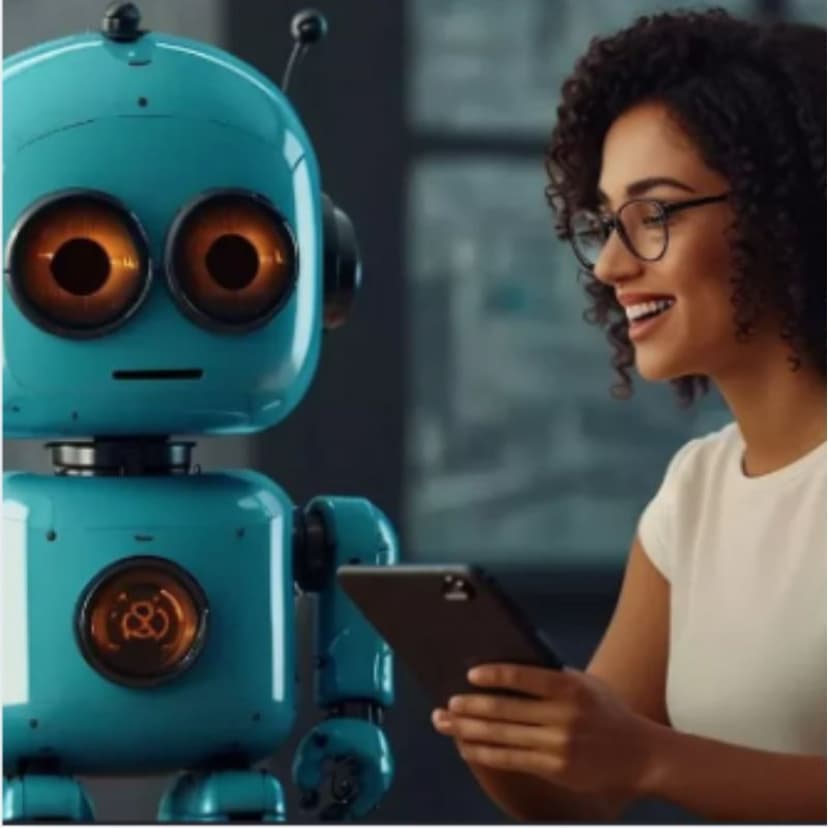
The experience is unsettling at first. You click a video link, and instead of a recruiter's face, an AI avatar appears on screen - sometimes hyper-realistic, sometimes deliberately cartoonish. It greets you by name, asks you questions pulled from a database, and watches as you respond. Behind the scenes, algorithms are analyzing your word choice, speech patterns, even facial expressions. Welcome to the new front door of corporate hiring. The Verge reporter Hayden Field recently went through this experience firsthand, documenting the eerie collision of job hunting and artificial intelligence that's becoming standard practice across enterprise recruiting.
The companies building these systems argue they're solving a real problem. Traditional hiring is a numbers game where recruiters can only interview a fraction of applicants, often relying on resume screening that can miss talented candidates. CodeSignal, which started in technical assessment, now offers AI-led interviews designed to evaluate coding skills and problem-solving in real time. Humanly positions itself as a conversational AI that handles initial screenings, while Eightfold uses machine learning to match candidates with roles based on skills rather than traditional credentials.
But the promise of efficiency comes with controversy. Critics point out that AI interview systems are essentially black boxes, making hiring decisions with algorithms that candidates can't see or challenge. There's also the question of what these bots are actually measuring. Are they evaluating job skills, or are they picking up on proxy signals like accent, communication style, or even background noise that could introduce bias? Some jurisdictions are already pushing back. New York City now requires companies to audit AI hiring tools for bias, and the EEOC has signaled it's watching this space closely.
The technology works by combining several AI capabilities. Natural language processing handles the conversation, speech recognition transcribes responses, and machine learning models score answers against patterns learned from previous successful hires. Some systems also use computer vision to analyze body language and facial expressions, though this feature has drawn particular scrutiny over concerns about reading too much into non-verbal cues that vary widely across cultures.
For job seekers, the experience can feel dehumanizing. There's no rapport building, no reading the room, no adjusting your pitch based on what resonates. You're performing for an algorithm that doesn't laugh at your jokes or ask follow-up questions out of genuine curiosity. It's optimized for consistency, not connection. And if you get rejected, there's often no meaningful feedback - just a polite auto-generated email thanking you for your time.
The companies defend their approach by pointing to data. They claim AI interviews reduce time-to-hire, increase the diversity of candidate pools by removing human bias from initial screens, and give every applicant a fair shot at being heard. Eightfold says its platform has helped enterprises discover internal candidates for roles they would have otherwise recruited externally, saving money and boosting retention.
But the power dynamics are concerning. In a tight job market, candidates have little choice but to participate in whatever hiring process companies impose. Opting out of an AI interview often means opting out of the opportunity entirely. There's also the asymmetry of surveillance - the AI is analyzing you in granular detail, while you know almost nothing about how it makes decisions or what criteria matter most.
The trend reflects a broader shift in enterprise software toward automation of traditionally human tasks. HR departments, facing pressure to do more with less, are embracing AI tools that promise to streamline everything from recruiting to performance reviews. The global HR tech market is expected to hit $40 billion by 2027, with AI-powered recruiting tools driving much of that growth.
What happens next likely depends on regulation and worker pushback. If AI interviews produce demonstrably biased outcomes, expect lawsuits and stricter oversight. If candidates start rejecting companies that rely too heavily on automated screening, employers may pull back. For now, though, the technology is spreading fast, and millions of job seekers are adjusting to a reality where their first impression isn't on a human - it's on an algorithm.
AI-powered interview bots represent a fundamental shift in how companies screen talent, promising efficiency at the cost of human connection. As CodeSignal, Humanly, and Eightfold scale these systems across enterprise hiring, the stakes are enormous for both job seekers navigating an algorithmic gauntlet and companies betting that automation can improve fairness. The real test isn't whether the technology works - it's whether it works for everyone, and whether candidates will accept a hiring process where their fate is decided by code rather than conversation. With regulatory scrutiny mounting and the job market in flux, this is one AI experiment where the outcomes will affect millions.