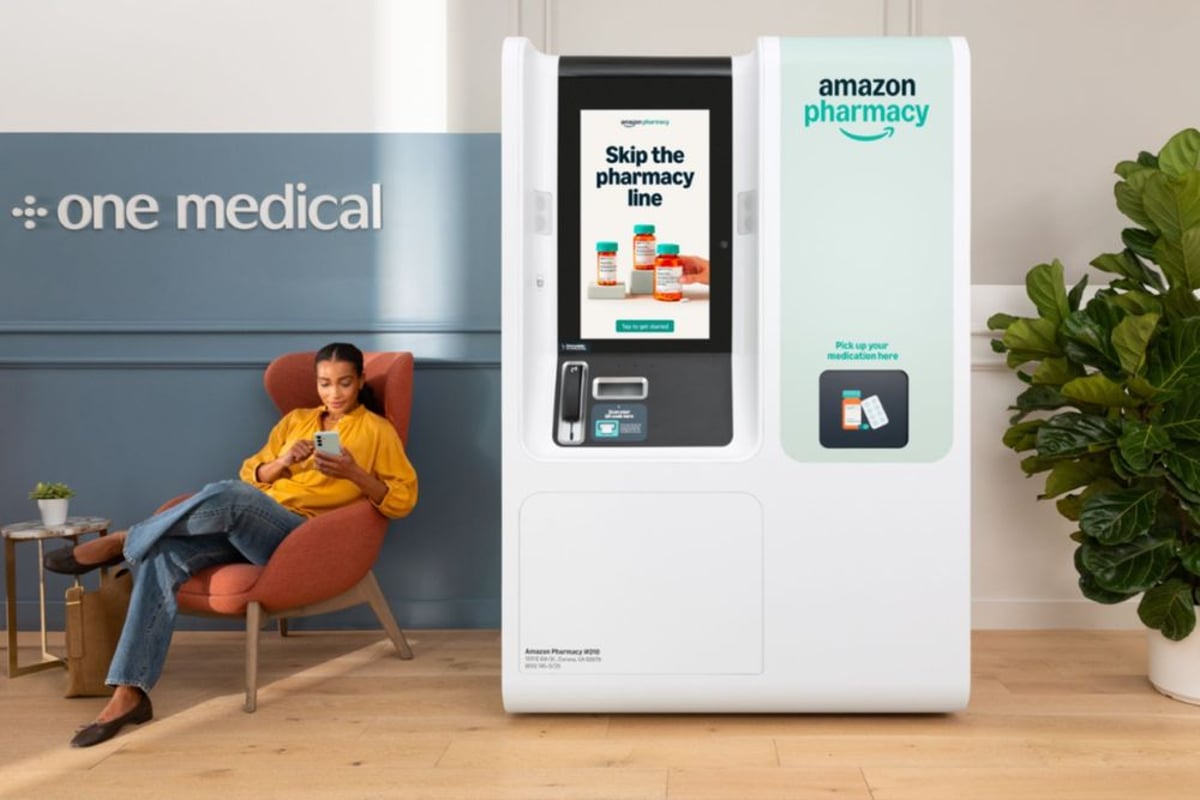
Amazon just turned prescription pickup into a checkout-and-go experience. The company's rolling out pharmacy vending machines at One Medical clinics starting this December in Los Angeles, letting patients grab antibiotics, inhalers, and blood pressure meds right after their appointments. It's a direct shot at the traditional pharmacy model that's been hemorrhaging locations nationwide.
Amazon just made picking up prescriptions as easy as grabbing a bag of chips. The retail giant's new pharmacy vending machines are heading to One Medical clinics across Los Angeles this December, creating an instant prescription pickup system that could reshape how Americans get their medications.
The timing couldn't be more strategic. Traditional pharmacy chains are in freefall - CVS, Walgreens, and Rite Aid have shuttered thousands of locations in recent years as drug margins shrink and competition intensifies. That's left massive gaps in prescription access, particularly in underserved areas where patients might drive 20 minutes just to find an open pharmacy.
"We know that when patients have to make an extra trip to the pharmacy after seeing their doctor, many prescriptions never get filled," Amazon Pharmacy operations president Hannah McClellan told The Verge. "By bringing the pharmacy directly to the point of care, we're removing a critical barrier and helping patients start their treatment when it matters most - right away."
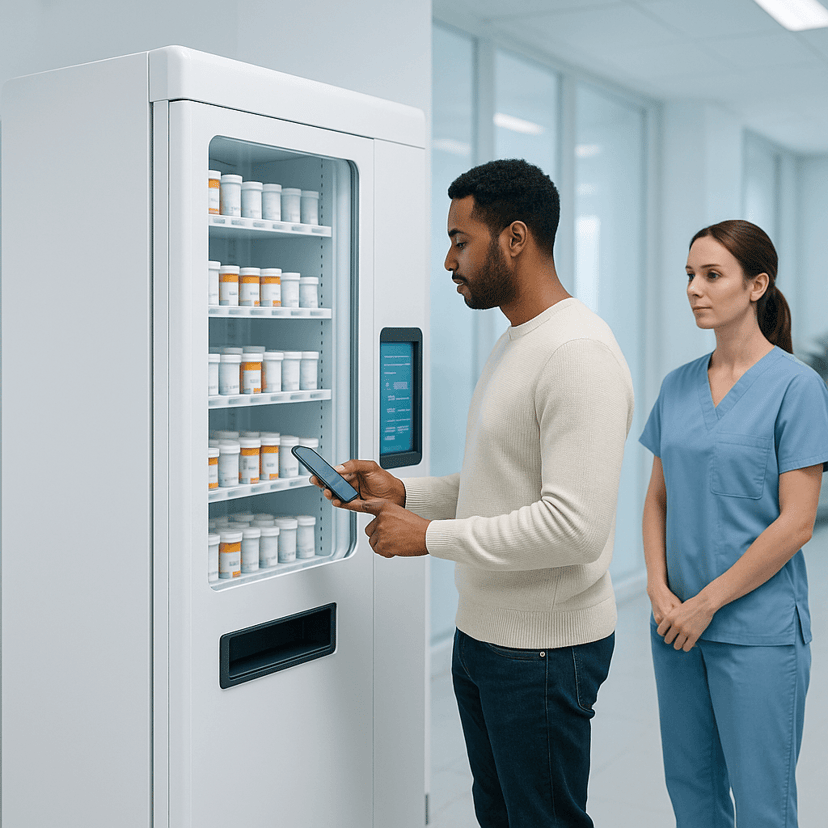
The machines will stock common medications based on each clinic's prescribing patterns - think antibiotics for strep throat, inhalers for asthma, blood pressure medications. But don't expect controlled substances or anything requiring refrigeration. Amazon's playing it safe with regulations while still covering the bread-and-butter prescriptions that make up most doctor visits.
Here's how it works: Your doctor finishes the appointment and sends your prescription directly to Amazon Pharmacy. A licensed pharmacist reviews it remotely, then loads it into the on-site kiosk. You get a notification on the Amazon app with a QR code, scan it at the machine, and walk out with your medication in minutes. It's the same verification process as traditional pharmacies, just automated and immediate.
The real disruption isn't just convenience - it's solving a massive healthcare problem. Studies show 20-30% of new prescriptions never get filled, often because patients can't make that extra pharmacy trip. For conditions like infections or pain management, those delays can mean prolonged suffering or complications.
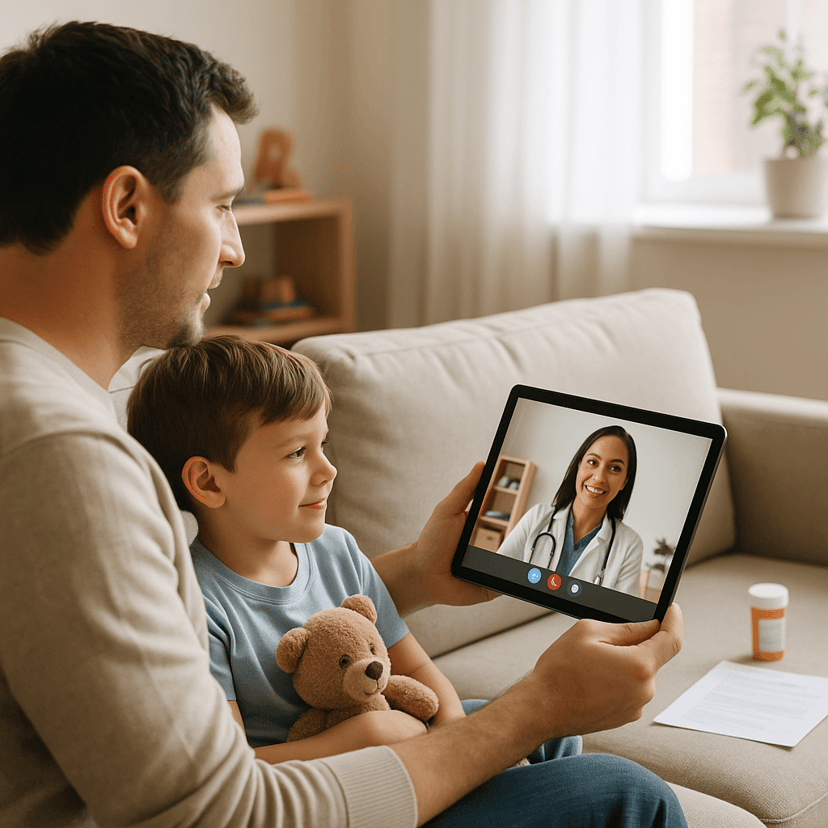
Amazon isn't abandoning the human touch entirely. Patients using the kiosks can still access phone and video consultations with Amazon's pharmacy team for medication questions, "just as they would at a traditional pharmacy counter," McClellan added. It's a hybrid model that combines automation efficiency with professional oversight.
The rollout strategy shows Amazon's learning from past healthcare missteps. Instead of trying to revolutionize everything at once, they're integrating with their existing One Medical network - the primary care chain they acquired for $3.9 billion in 2022. Los Angeles serves as the testing ground before national expansion, letting them work out kinks in a controlled environment.
For competitors, this represents another front in Amazon's healthcare offensive. The company already operates Amazon Pharmacy for mail-order prescriptions, competes with Walgreens and CVS on basic health products, and runs One Medical clinics. Now they're creating a seamless patient experience that traditional pharmacy chains can't match without major infrastructure investments.
The vending machine model could prove particularly attractive to employers looking to improve healthcare access for their workers. Imagine corporate campuses with One Medical clinics and instant prescription pickup - it's a compelling employee benefit that reduces time away from work for healthcare needs.
What to watch: How quickly Amazon expands beyond Los Angeles, whether traditional pharmacy chains try to copy the model, and if regulatory issues emerge around automated prescription dispensing. The real test will be patient adoption rates and whether the convenience factor overcomes any lingering concerns about getting medications from a vending machine.
Amazon's prescription vending machines represent more than just healthcare automation - they're a direct response to the pharmacy industry's contraction and a bet that patients want convenience over tradition. If the LA pilot succeeds, expect this model to spread rapidly through One Medical's 200+ locations nationwide. For an industry built on personal relationships and trust, Amazon's proving that sometimes the best pharmacist interaction is no interaction at all - just fast, verified medication delivery when and where patients need it most.