Amazon just launched pediatric telehealth through One Medical Pay-per-visit, offering parents direct access to board-certified physicians for children ages 2 to 11. The service starts at $29 for messaging and $49 for video consultations, requiring no insurance or membership - a direct challenge to traditional urgent care that could reshape how families handle routine childhood ailments.
Amazon is betting that frustrated parents will pay out of pocket to skip the pediatrician's waiting room. The company's One Medical Pay-per-visit service quietly expanded into pediatric care this week, offering telehealth consultations for children ages 2 to 11 with no insurance required.
The move puts Amazon squarely in competition with traditional pediatric urgent care centers and telehealth pioneers like Teladoc. Message-based consultations start at $29, while video visits cost $49 - pricing that undercuts many urgent care copays and eliminates the dreaded waiting room experience entirely.
"As a parent, I am all too familiar with taking a child who doesn't feel well to urgent care and waiting too long, only to spend ten minutes with a clinician," Amazon One Medical Pay-per-visit general manager Bergen Elsa told Amazon's news team. The service targets those "in-between" moments when parents need quick medical guidance but don't want to navigate insurance networks or membership requirements.
The pediatric expansion covers more than a dozen common childhood conditions, from pink eye and head lice to eczema, ringworm, and hand-foot-and-mouth disease. Parents can also renew EpiPen and asthma medications through the platform. Each consultation connects families with board-certified family practice physicians or licensed nurse practitioners available 24/7.
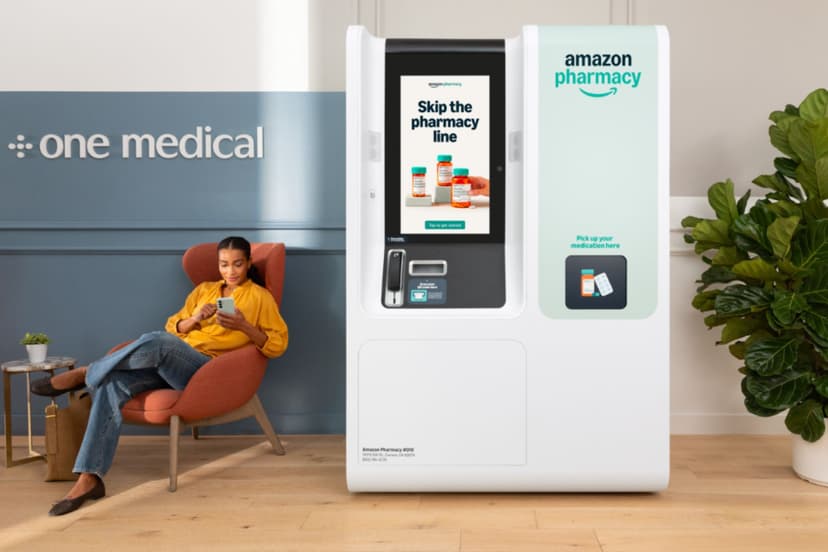
What makes this launch particularly strategic is Amazon's integration with Amazon Pharmacy. Prescriptions can be filled through the company's online pharmacy with transparent pricing and same-day delivery in select cities, creating a complete healthcare loop that keeps customers within Amazon's ecosystem.
The timing aligns with broader shifts in healthcare consumer behavior. The pediatric telehealth market has exploded since 2020, growing from $1.8 billion to an estimated $4.5 billion as parents became comfortable with virtual care. Amazon's entry signals the company sees telehealth as a significant revenue opportunity beyond its current $3.9 billion healthcare portfolio.
Dr. Natasha Bhuyan, national medical director for Amazon One Medical, emphasized the service isn't meant to replace traditional pediatrician relationships. "This service isn't meant to replace a family's relationship with their child's pediatrician, but rather to serve as a convenient option for those 'in-between' moments," she explained to Amazon News.
The pay-per-visit model represents a departure from Amazon's typical subscription approach. Unlike One Medical's $99 annual membership (or $9/month for Prime members), this service requires no ongoing commitment. Parents simply browse conditions on health.amazon.com, fill out an intake form, and connect with a provider.
For Amazon, the pediatric expansion serves multiple strategic purposes. It drives traffic to Amazon Pharmacy, introduces families to the One Medical brand, and positions the company as a comprehensive healthcare provider. The service also captures market share in the lucrative direct-pay healthcare segment, where patients increasingly prefer transparent pricing over insurance complexity.
Competitors are taking notice. Traditional telehealth providers like Amwell and MDLive have dominated pediatric virtual care, but Amazon's pricing and pharmacy integration create a compelling value proposition. The company's ability to lose money on healthcare services while building market share - a familiar Amazon playbook - gives it significant competitive advantages.
The broader implications extend beyond telehealth. Amazon's healthcare ambitions have been building momentum since acquiring One Medical for $3.9 billion in 2022. The company now operates primary care clinics, an online pharmacy, and various digital health services, creating an integrated healthcare platform that leverages its logistics and technology infrastructure.
Amazon's pediatric telehealth launch represents more than a new service - it's a strategic play for healthcare market share that could fundamentally change how families access routine medical care. By eliminating insurance barriers and integrating prescriptions through Amazon Pharmacy, the company is building a healthcare ecosystem that prioritizes convenience and transparency. As traditional healthcare providers scramble to match Amazon's pricing and accessibility, parents may find themselves choosing between waiting rooms and algorithms. The real test will be whether Amazon can maintain quality care standards while scaling this direct-pay model across its broader healthcare ambitions.