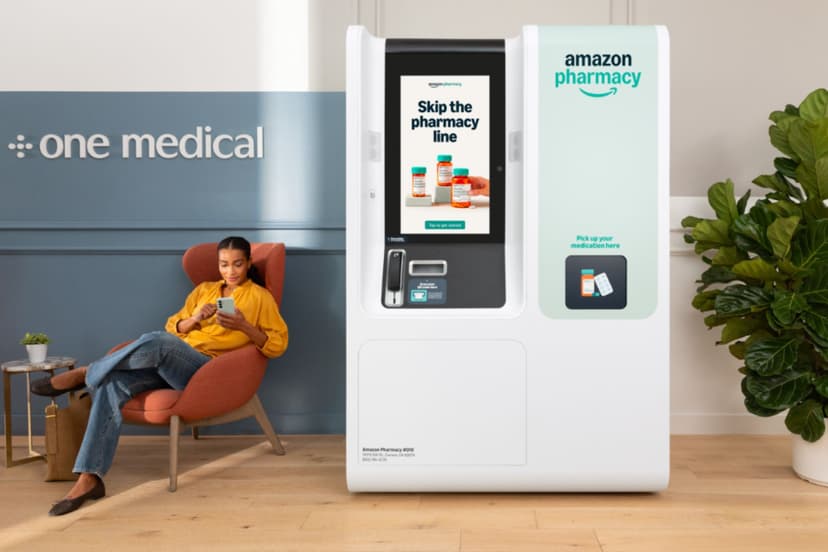
Amazon just launched prescription vending machines at One Medical clinics across Los Angeles, marking the tech giant's boldest move yet into traditional pharmacy territory. The kiosks dispense medications within minutes of doctor visits, potentially disrupting an industry already reeling from store closures and shrinking margins.
Amazon is reshaping how Americans get their prescriptions, and traditional pharmacies should be worried. The company's new prescription vending machines launched Wednesday at five One Medical clinics across Los Angeles, turning what used to be a separate pharmacy trip into a quick stop on the way out of the doctor's office.
The timing couldn't be more strategic. While Amazon deploys these high-tech kiosks, traditional pharmacy chains are collapsing around them. Rite Aid just closed all remaining stores last week after 60+ years in business, and both CVS and Walgreens continue shuttering locations as drug margins plummet and competition from Amazon and Walmart intensifies.
"We know that when patients have to make an extra trip to the pharmacy after seeing their doctor, many prescriptions never get filled," Hannah McClellan, Amazon Pharmacy's VP of operations, told CNBC. "By bringing the pharmacy directly to the point of care, we're removing a critical barrier and helping patients start their treatment when it matters most."
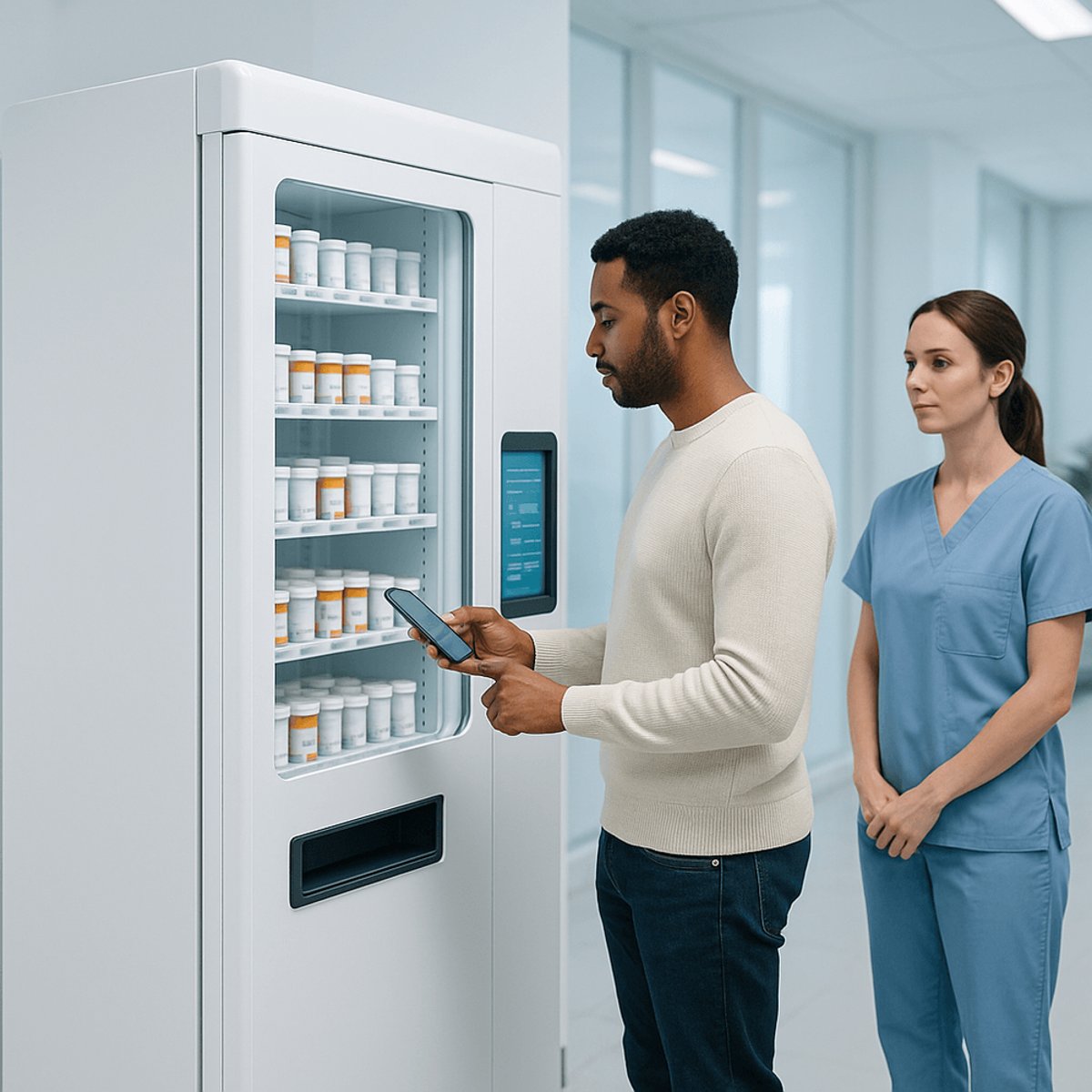
The machines work like sophisticated vending systems, but with multiple safety layers that traditional pharmacies can't match. Each kiosk stocks hundreds of prescriptions - antibiotics, inhalers, blood pressure treatments - with inventory tailored to each location's patient demographics. After doctors send prescriptions to Amazon Pharmacy for verification, patients complete orders through the Amazon app and scan QR codes at the kiosk.
What sets these apart is the remote pharmacist oversight. Every order gets a final review before dispensing, and patients can video chat or call pharmacists directly through the kiosk. It's automation with a human safety net - exactly what Amazon does best.
This isn't Amazon's first healthcare rodeo. The company spent $750 million acquiring online pharmacy PillPack in 2018, launched Amazon Pharmacy in 2020, then made its biggest healthcare bet yet with the $3.9 billion One Medical purchase in 2022 - its third-largest acquisition ever.
But Amazon's healthcare journey hasn't been smooth. The company shuttered its Amazon Care telehealth service in 2022 and restructured its entire healthcare division earlier this year after key executives departed. The prescription kiosks represent a more focused approach: instead of trying to reinvent healthcare, Amazon's targeting the inefficient handoff between doctor visits and prescription pickup.
The rollout starts at One Medical clinics in downtown LA, West LA, Beverly Hills, Long Beach, and West Hollywood, with "more locations soon after," according to the company. McClellan hinted at broader ambitions: "Over time, we see real potential for this technology to extend to other environments - anywhere quick access to medication can make a difference."
For now, only in-person One Medical patients can use the kiosks - no telehealth patients yet. But you don't need to be a One Medical member, suggesting Amazon's eyeing a broader customer base than just its premium clinic patients.
The pharmaceutical vending machine concept isn't entirely new, but Amazon's execution combines its logistics expertise with One Medical's clinical infrastructure in ways competitors can't match. While CVS and Walgreens struggle to keep physical locations profitable, Amazon's building a distributed pharmacy network that lives where patients already are.
Amazon's prescription kiosks represent more than convenient healthcare - they're a direct challenge to an entire industry's distribution model. While traditional pharmacies fight for survival with store closures and margin pressure, Amazon's building the future of pharmaceutical retail right inside doctor's offices. The question isn't whether this model will expand beyond LA, but how quickly Amazon can scale it nationwide before competitors figure out how to respond.