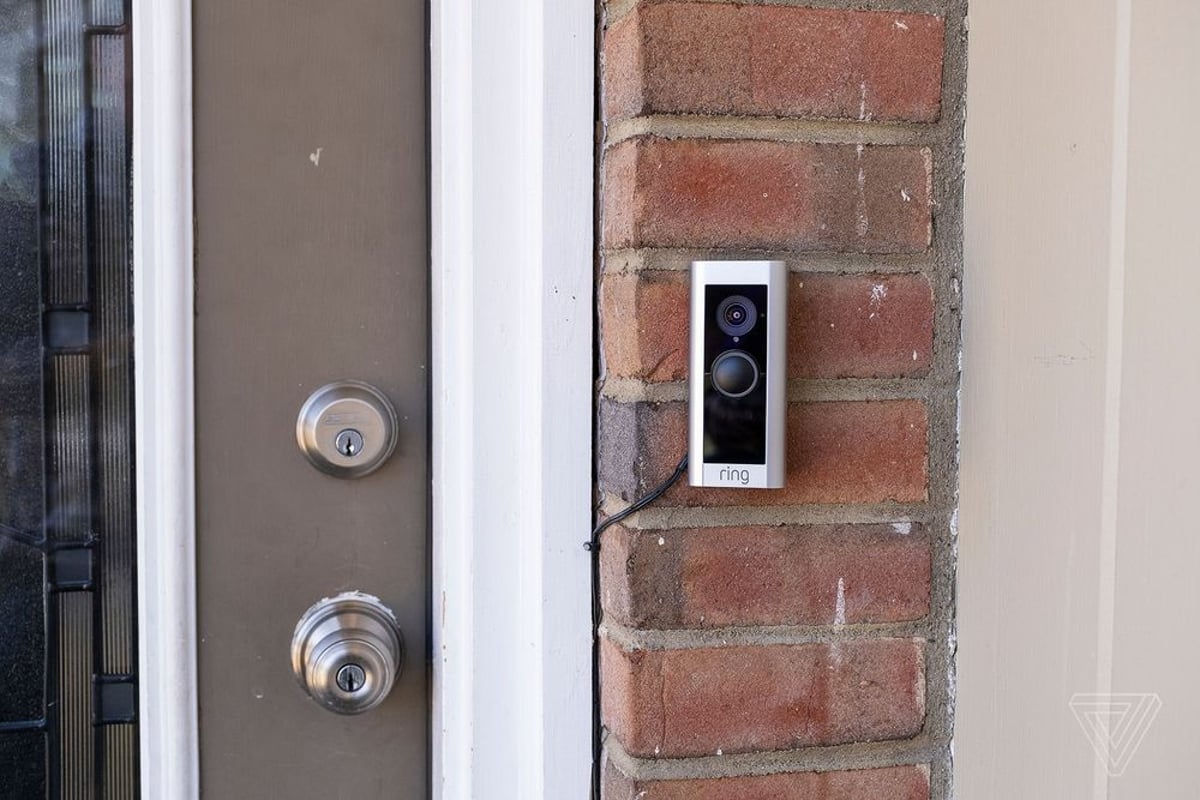
Amazon's Ring just deepened its surveillance ties by partnering with Flock Safety, the AI-powered camera company that's been quietly sharing data with federal agencies including ICE and the Secret Service. The move expands police access to millions of doorbell cameras through Ring's Community Request program, raising fresh privacy concerns as law enforcement gains new pathways to civilian footage without warrants.
Amazon's Ring is quietly building the most extensive civilian surveillance network in America, and its latest partnership makes that crystal clear. The doorbell giant just announced it's working with Flock Safety, the AI-powered surveillance company that's been sharing data with federal agencies behind closed doors.
The timing couldn't be more controversial. According to a scathing letter from Sen. Ron Wyden, Flock has been quietly providing data access to the Secret Service, Navy, and ICE - the immigration enforcement agency that privacy advocates have been battling for years. The revelation, first reported by 404 Media, shows how surveillance companies operate in the shadows while marketing themselves as community safety tools.
Here's how the new system works: Local law enforcement agencies already using Flock's Nova or FlockOS platforms can now request video footage directly from Ring users through the Neighbors app. Police must include details about alleged crimes, time and location data, plus a "unique investigation code" - but that's where the guardrails end. The requests appear in Ring users' feeds, creating a crowdsourced surveillance system that privacy experts warn could normalize constant police monitoring.
Ring insists participation is "completely optional," telling users they can disable notifications entirely. The company also claims law enforcement can't see who receives requests or who declines to respond. But critics point out that social pressure and community dynamics make truly voluntary participation nearly impossible when neighbors know police are asking for help.
This isn't Ring's first rodeo with law enforcement partnerships. In April, the company announced a similar deal with Axon, the Taser manufacturer that's been aggressively expanding into surveillance technology. That partnership followed years of controversy over Ring's cozy relationship with police departments, which often received free cameras to distribute in exchange for promoting the devices to residents.
The pattern is becoming clear: Amazon is systematically building infrastructure that turns everyday consumers into unwitting participants in a surveillance state. Ring discontinued its "Request for Assistance" feature in 2024 after intense pressure from privacy advocates, but it kept the "emergency" exception that allows warrantless data sharing - a loophole that Google also uses for its Nest camera data.
Flock Safety, meanwhile, has been rapidly expanding its network of AI-powered license plate readers and surveillance cameras across American cities. The company markets its technology as a crime-fighting tool, but Sen. Wyden's investigation revealed how easily that data flows to federal agencies with minimal oversight.
The Ring-Flock partnership represents a troubling evolution in surveillance capitalism, where private companies build the infrastructure that government agencies use to monitor citizens. Unlike traditional CCTV systems controlled by municipalities, this network relies on consumer devices that people install voluntarily, often without understanding how their data might be used.
Industry analysts worry this creates a two-tier surveillance system where affluent neighborhoods with Ring cameras become heavily monitored zones, while others remain outside the network. The AI-powered matching capabilities of Flock's systems could amplify existing biases in policing, particularly around communities of color that are already over-surveilled.
Amazon says the rollout will happen "in the coming months," suggesting the company is moving cautiously after previous backlash. But privacy advocates argue the fundamental problem isn't the pace of deployment - it's the normalization of surveillance as a consumer product.
The Ring-Flock partnership signals a dangerous new phase in consumer surveillance, where AI-powered systems seamlessly connect private cameras to law enforcement databases. While Amazon promises user control and optional participation, the underlying infrastructure creates permanent pathways for police access to civilian footage. As federal agencies quietly tap into these networks and surveillance becomes normalized as a neighborhood safety tool, Americans face a choice: convenience and security, or privacy and civil liberties. The rollout in coming months will test whether consumers truly understand what they're signing up for when they install that doorbell camera.