Zoox, the Amazon-owned autonomous vehicle company, is accelerating its robotaxi expansion. The company announced it's scaling up operations in San Francisco and Las Vegas while preparing to launch in Austin and Miami, marking a significant push into new markets after logging nearly 2 million driverless miles and 350,000 passenger trips. The move signals growing confidence in autonomous vehicle technology as the race to commercialize self-driving cars heats up.
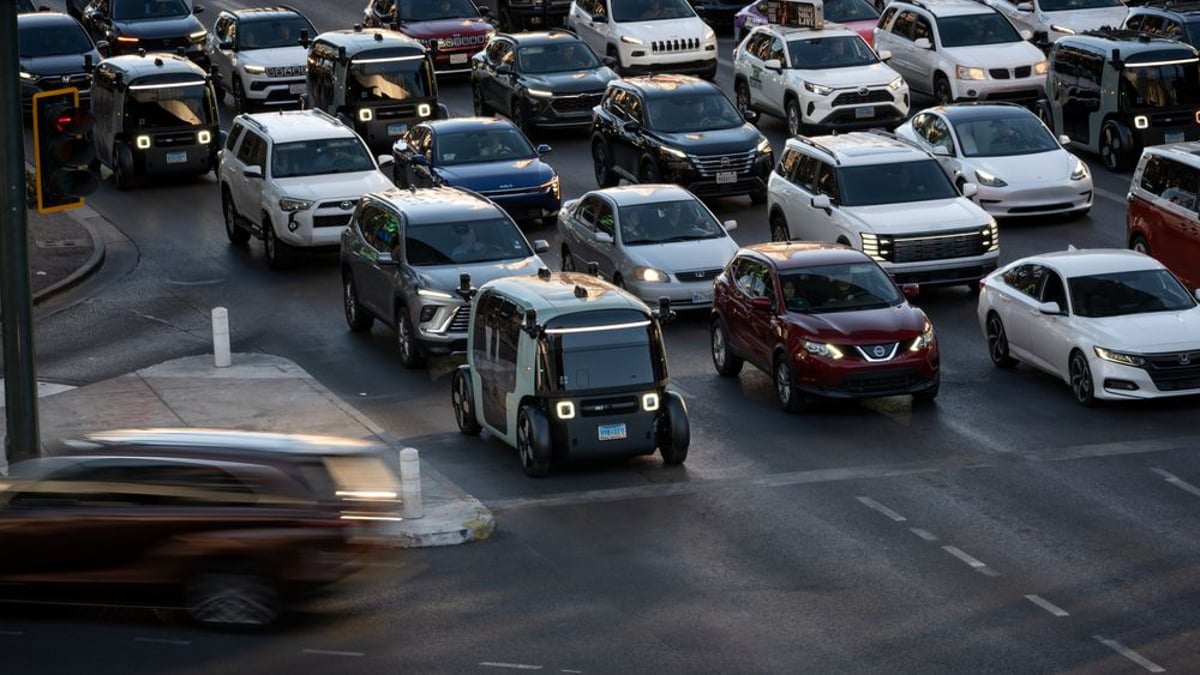
Zoox is making its most aggressive expansion bet yet. The Amazon-backed robotaxi company just announced it's pushing into Austin and Miami, two sprawling Sun Belt metros that represent a major test for its purpose-built autonomous vehicles. At the same time, Zoox is ramping up service in San Francisco and Las Vegas, where it's been steadily building out operations since launching customer rides last year.
The numbers tell a story of steady, methodical progress. Zoox has racked up nearly 2 million driverless miles and ferried roughly 350,000 passengers across its existing markets. Those figures put it behind Waymo, which has logged millions more miles and operates a commercial service in Phoenix, San Francisco, and Los Angeles, but ahead of most other autonomous vehicle startups still struggling to get beyond testing phases.
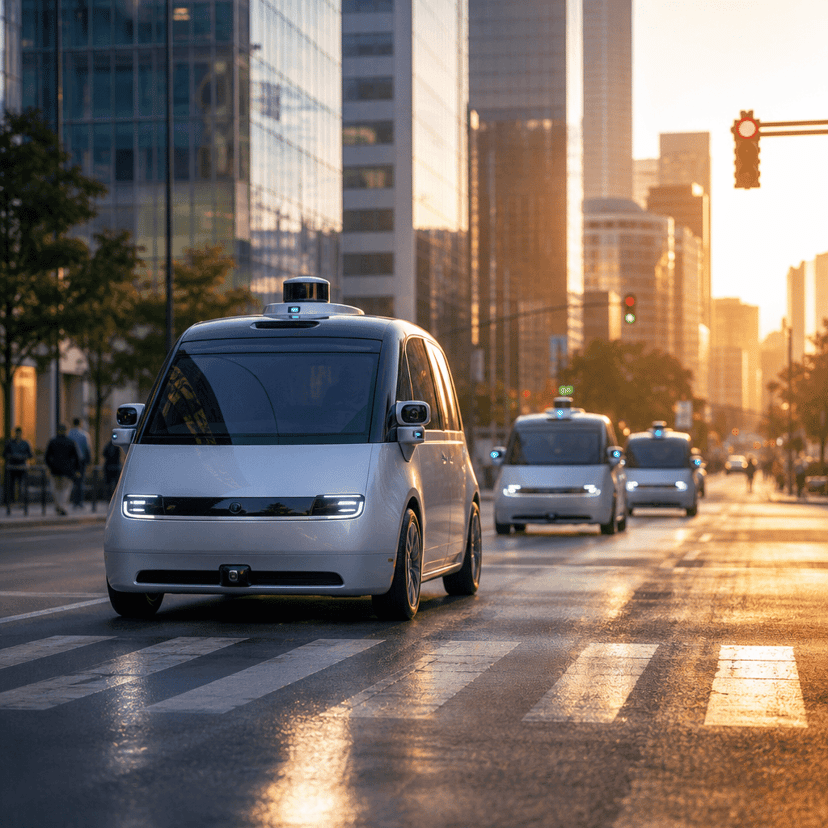
What sets Zoox apart is its vehicle design. The company went all-in on a custom-built robotaxi with no steering wheel, no pedals, and bidirectional driving capability. It's a bold bet that purpose-built vehicles will win out over retrofitted consumer cars, the approach favored by competitors like Cruise and many others. The vehicle seats four passengers facing each other, with sliding doors on both sides and a symmetrical design that lets it drive equally well in either direction.
But there's a catch. Zoox operates under what's called a demonstration exemption, which means it can't charge passengers for rides. This regulatory limbo has become a familiar holding pattern for autonomous vehicle companies navigating a patchwork of state and federal rules. While Waymo has secured the permits needed to run a paid service in multiple cities, Zoox is still building its case with regulators.
The choice of Austin and Miami isn't random. Austin has emerged as a hotbed for autonomous vehicle testing, with its tech-friendly culture and less congested streets compared to coastal cities. Miami brings different challenges - aggressive drivers, frequent rain, and a layout that mixes dense urban corridors with sprawling suburbs. If Zoox can crack both markets, it demonstrates real versatility.
Behind the expansion is Amazon's deep pockets and long-term vision. The e-commerce giant acquired Zoox in 2020 for a reported $1.2 billion, seeing autonomous vehicles as potentially transformative for logistics and delivery. While Zoox has focused on passenger service so far, the technology could eventually power Amazon's delivery fleet. That dual-use potential makes the investment more strategic than a pure play on robotaxis.
The autonomous vehicle industry has hit some speed bumps lately. Cruise suspended operations after a pedestrian was dragged by one of its vehicles in San Francisco, triggering regulatory backlash and executive departures. Other startups have scaled back or shut down entirely as the path to profitability has proven longer and more expensive than anticipated. Against that backdrop, Zoox's measured expansion looks like a calculated risk rather than reckless optimism.
Zoox hasn't said when it plans to launch paid service or how quickly it will scale in the new markets. The company is still building out its operational infrastructure, including charging stations, maintenance facilities, and rider support systems. Each new city requires mapping every street in minute detail and training the AI systems on local driving patterns and road quirks.
The expansion also puts Zoox in more direct competition with Waymo, which has become the clear leader in commercial autonomous ride-hailing. Waymo operates hundreds of vehicles and completes tens of thousands of paid trips per week across its markets. Zoox will need to prove it can scale operations while maintaining safety and reliability, all without the revenue stream that comes from paid rides.
For passengers in Austin and Miami, Zoox's arrival means another option for experiencing autonomous vehicles firsthand. The novelty factor remains high, and free rides ensure strong demand. But the real test will come when Zoox eventually has to charge market rates and compete with Uber and Lyft on price and convenience.
Zoox's expansion into Austin and Miami marks a pivotal moment in autonomous vehicle deployment, testing whether purpose-built robotaxis can scale beyond early-adopter cities. With Amazon's backing and nearly 2 million driverless miles under its belt, the company is positioning itself as a serious contender in the race to commercialize self-driving technology. But operating without paid fares remains a significant constraint, and the path to profitability stays uncertain. For the broader industry, Zoox's progress offers a counterpoint to recent setbacks, showing that methodical expansion and purpose-built hardware might still win out in the long run.