Amazon just handed Corning a massive vote of confidence in the AI infrastructure race, sending the glassmaker's stock soaring 9% on news of a major deal to supply optical fiber and materials for Amazon's expanding U.S. data center network. The partnership marks Corning's rapid evolution from smartphone screens to becoming an essential player in the physical infrastructure powering AI, joining a growing list of megacap tech companies betting on the 173-year-old manufacturer to handle the explosive connectivity demands of artificial intelligence workloads.
Amazon is placing a big bet on Corning as the company races to build out the physical infrastructure needed to support its AI ambitions. The deal, announced Monday, sent Corning shares up 9% as investors recognized the company's increasingly vital role in the AI buildout that's reshaping tech infrastructure spending.
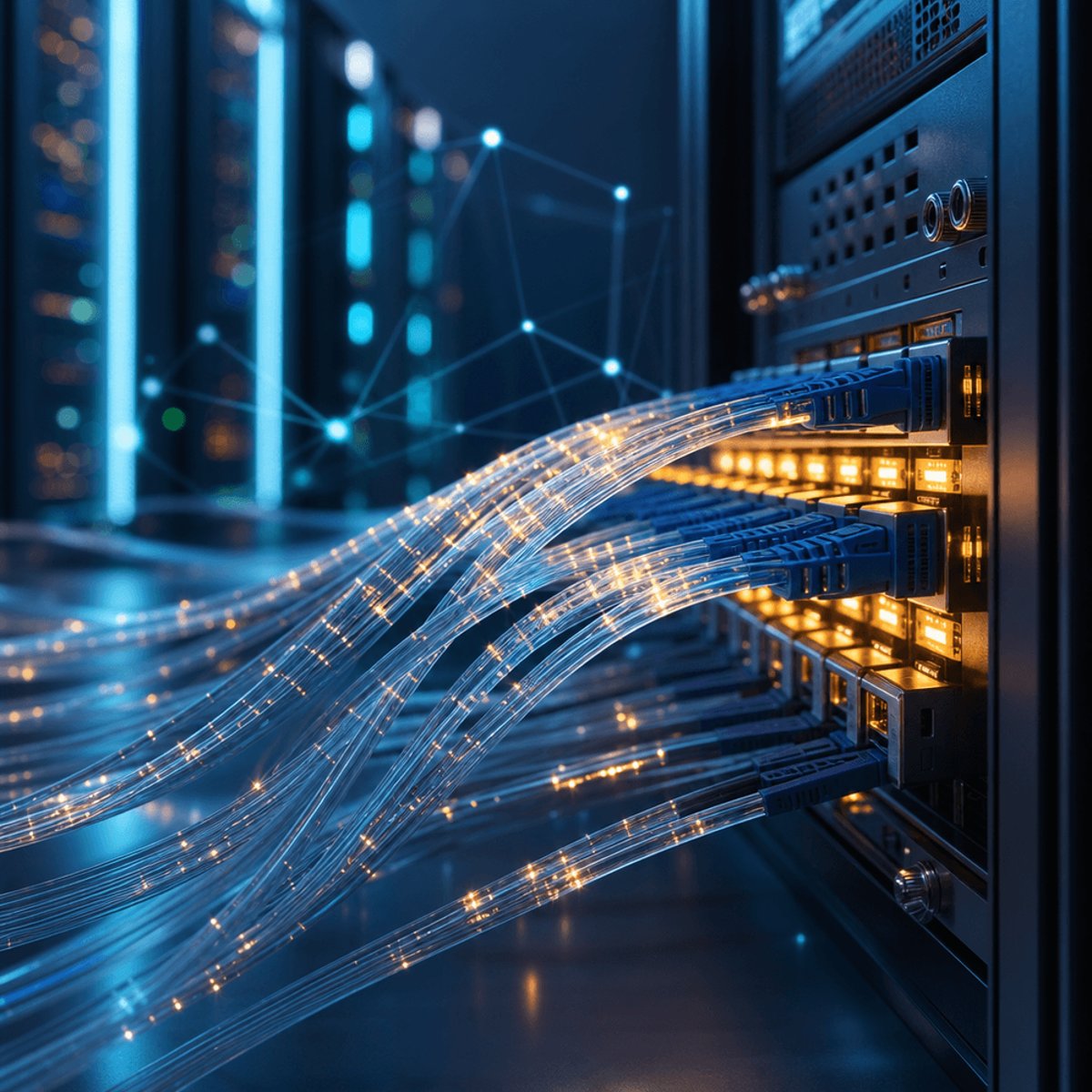
While most attention in the AI hardware race has focused on Nvidia and semiconductor manufacturers, Corning's emergence highlights a critical but often overlooked layer of the AI infrastructure stack - the optical fiber and specialized materials that enable massive data transfers between chips, servers, and data centers. Amazon's partnership underscores just how much connectivity matters when you're running power-hungry AI models that demand lightning-fast data movement.
The market's reaction tells the story. That 9% single-day pop reflects growing recognition that AI infrastructure extends far beyond GPUs and custom chips. It's about the entire ecosystem - cooling systems, power delivery, and critically, the optical networks that tie it all together. Corning's decades of expertise in specialty glass and optical physics suddenly looks incredibly relevant in an AI-first world.
Amazon isn't Corning's first megacap customer in this space. The glassmaker has been quietly building relationships across big tech as companies scramble to upgrade data center infrastructure for AI workloads. These aren't your typical enterprise server farms - AI training and inference demand bandwidth that pushes traditional networking to its limits. That's where Corning's optical solutions come in, providing the high-speed pipes that keep data flowing between increasingly dense server configurations.
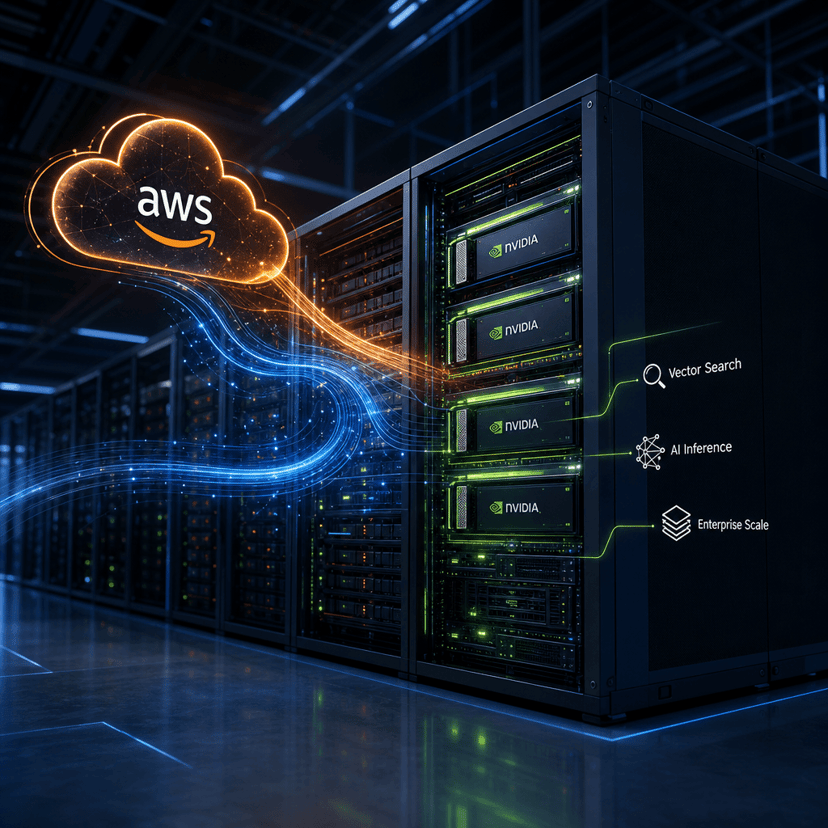
The timing makes sense. Amazon Web Services has been aggressively expanding its AI capabilities, from custom Trainium chips for training to Inferentia processors for running models in production. But all that silicon is useless without the infrastructure to support it. As AWS competes with Microsoft Azure and Google Cloud for AI workload dominance, the underlying physical infrastructure becomes a critical differentiator.
For Corning, this represents a strategic pivot that's been years in the making. The company built its modern reputation on Gorilla Glass for smartphones, but that market has matured. AI infrastructure offers a new growth engine, and one with potentially better margins and stickier customer relationships. Once you've designed your data center architecture around specific optical components, switching costs are high.
The deal also reflects broader trends in how tech giants are thinking about supply chains and infrastructure investments. Rather than relying solely on commodity components, companies like Amazon are forming deeper partnerships with specialized suppliers who can deliver custom solutions. It's vertical integration by another name - controlling more of the stack without necessarily owning the factories.
Wall Street is taking notice. The 9% surge suggests investors see this as more than a one-off contract. It's validation of Corning's AI infrastructure thesis and a signal that similar deals with other hyperscalers could follow. In an environment where AI infrastructure spending shows no signs of slowing, being the preferred optical supplier to Amazon puts Corning in an enviable position.
What's particularly interesting is how this reshapes the AI infrastructure narrative. The story has been dominated by semiconductor companies and their astronomical valuations. But as deployments scale, the supporting infrastructure - power, cooling, networking - becomes equally critical. Corning's stock performance suggests the market is starting to price in that reality, recognizing that AI infrastructure is a much broader opportunity than just chips.
Amazon's Corning partnership signals a maturation of AI infrastructure investments beyond the semiconductor hype cycle. As hyperscalers build out capacity for the next generation of AI workloads, the companies providing the connective tissue - literally, in Corning's case - stand to benefit enormously. That 9% stock jump isn't just about one deal. It's the market recognizing that AI infrastructure is a multi-layered opportunity, and Corning just secured a prime position in a layer that's absolutely essential but has been flying under the radar. For investors and industry watchers, this deal is a reminder to look beyond the obvious chip plays and consider who's supplying the picks and shovels - or in this case, the optical fiber - for the AI gold rush.