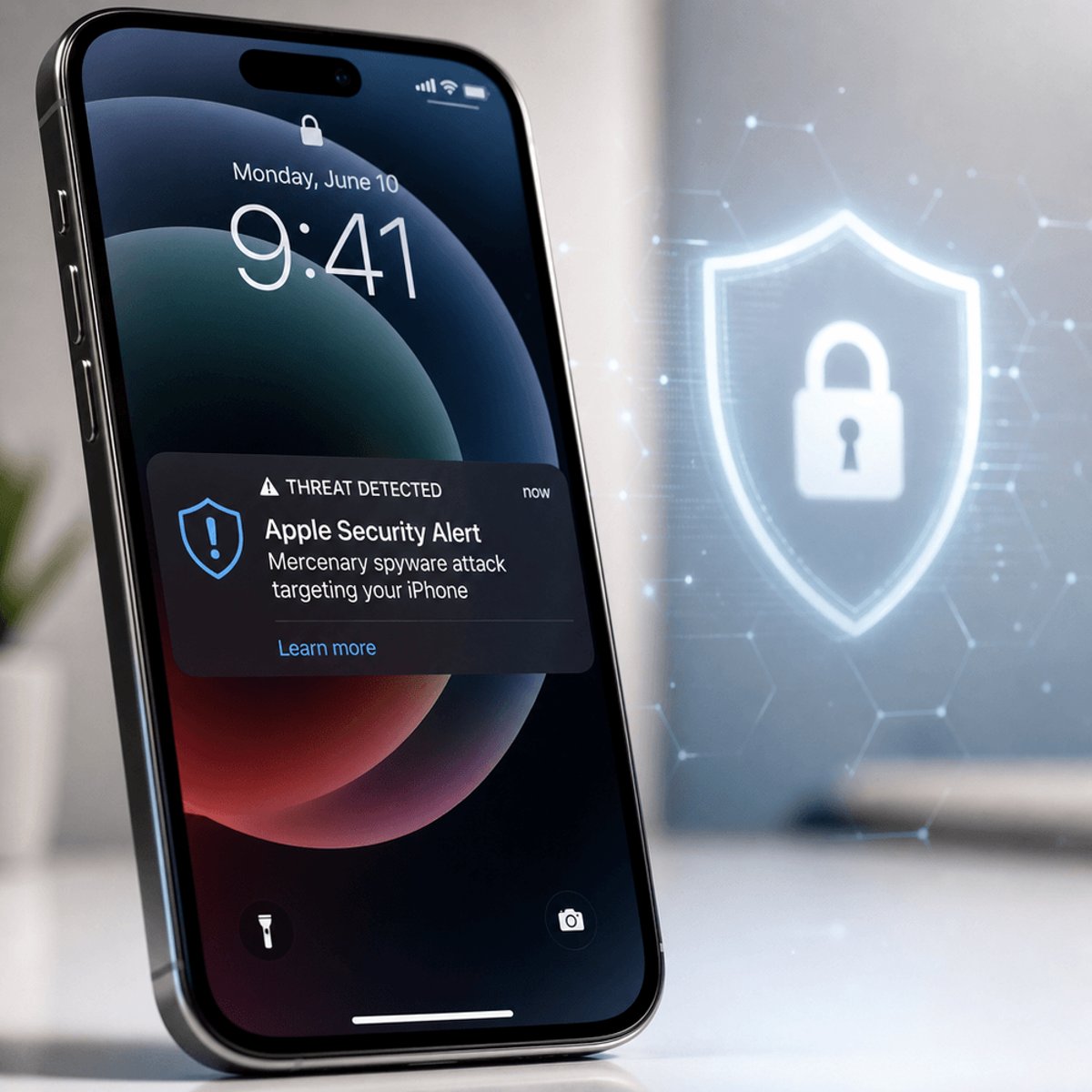
Apple is taking the fight against government surveillance directly to users' lock screens. The company now pushes real-time alerts to iPhones when it detects state-sponsored spyware targeting someone's device, marking a significant escalation in how tech giants warn high-risk users about sophisticated attacks. The move comes as mercenary spyware tools like Pegasus continue to target journalists, activists, and political dissidents worldwide.
Apple just made it a lot harder for governments to secretly spy on dissidents. The company's new push notification system sends instant alerts directly to iPhone lock screens when it detects state-sponsored spyware attacks, a dramatic shift from the quieter email warnings it used previously.
The timing couldn't be more critical. Mercenary spyware tools have exploded in use over the past few years, with companies like NSO Group selling sophisticated iPhone exploits to government clients worldwide. These tools, most notoriously the Pegasus spyware, can silently turn phones into surveillance devices, capturing everything from encrypted messages to live microphone feeds.
Apple has been locked in a years-long battle with the spyware industry. The company previously sued NSO Group in 2021 and has issued threat notifications to targeted users since at least 2019. But those warnings arrived via email, a method that could be easily missed or dismissed. The new lock screen alerts are impossible to ignore.
According to TechCrunch, the push notifications represent Apple's most direct warning system yet. When the company's threat intelligence teams identify attack patterns consistent with state-sponsored actors, users now see an immediate alert on their device, similar to emergency notifications or critical security updates.
The shift matters because the targets are often people who can't afford to miss warnings. Journalists covering sensitive topics, human rights activists in authoritarian countries, and opposition political figures have all been documented victims of spyware campaigns. A 2021 investigation by Citizen Lab and Amnesty International found Pegasus infections on the phones of dozens of journalists and activists across multiple continents.
Apple isn't naming the specific indicators it uses to detect these attacks, and for good reason. Revealing detection methods would help spyware makers evade them. But the company has built sophisticated threat intelligence capabilities over the years, analyzing attack patterns, suspicious network traffic, and exploit techniques.
The spyware industry operates in a legal gray zone. Companies like NSO Group claim they only sell to governments for legitimate law enforcement and counterterrorism purposes. But evidence has repeatedly shown these tools being used against civil society targets. NSO's own products have been linked to the surveillance of murdered journalist Jamal Khashoggi's associates and the targeting of El Salvador's independent media.
For Apple, the stakes go beyond individual user safety. The company has built its brand around privacy and security, positioning the iPhone as the most secure consumer device available. State-sponsored spyware represents an existential threat to that promise. If governments can reliably compromise iPhones, Apple's privacy credentials crumble.
The company has responded with multiple defensive layers. iOS security updates now drop more frequently, often patching zero-day exploits within days of discovery. Apple also introduced Lockdown Mode in 2022, an extreme security setting that disables many iPhone features to reduce attack surface for high-risk users.
But push notifications add something those technical defenses don't provide: user awareness. Even if a spyware attack succeeds, an alerted user can take immediate action, contacting security researchers, preserving evidence, or simply knowing that their communications are compromised.
Security researchers have cautiously welcomed the move. While push notifications won't stop sophisticated attacks, they fundamentally change the dynamic. Governments deploying spyware now face a higher risk that targets will know they're being watched, potentially limiting the intelligence value of expensive surveillance operations.
The new alert system also puts pressure on other phone makers. Google offers similar threat warnings for high-risk Android users through its Advanced Protection Program, but the warnings ecosystem remains fragmented. As state-sponsored mobile surveillance becomes more prevalent, users increasingly expect their devices to actively warn them about threats.
What happens when someone receives one of these alerts? Apple recommends users immediately update their devices, enable Lockdown Mode, and contact security organizations like Citizen Lab or Access Now for assistance. The company also advises treating all communications on the device as potentially compromised.
The spyware arms race shows no signs of slowing. As Apple and other tech companies patch vulnerabilities and improve defenses, spyware makers invest in new exploits and attack techniques. Zero-day iPhone vulnerabilities now sell for millions of dollars on gray markets, with governments as the primary buyers.
Apple's move to push spyware alerts directly to lock screens signals a new phase in the tech industry's response to state-sponsored surveillance. It's not just a technical feature, it's a political statement that normalizes the reality of government hacking while giving targets a fighting chance to respond. As mercenary spyware continues spreading globally, expect other platforms to follow Apple's lead. The question isn't whether you'll ever receive one of these alerts, it's whether you'll know what to do when you do. For journalists, activists, and anyone working in sensitive spaces, that split-second awareness could make the difference between compromised communications and maintained operational security.