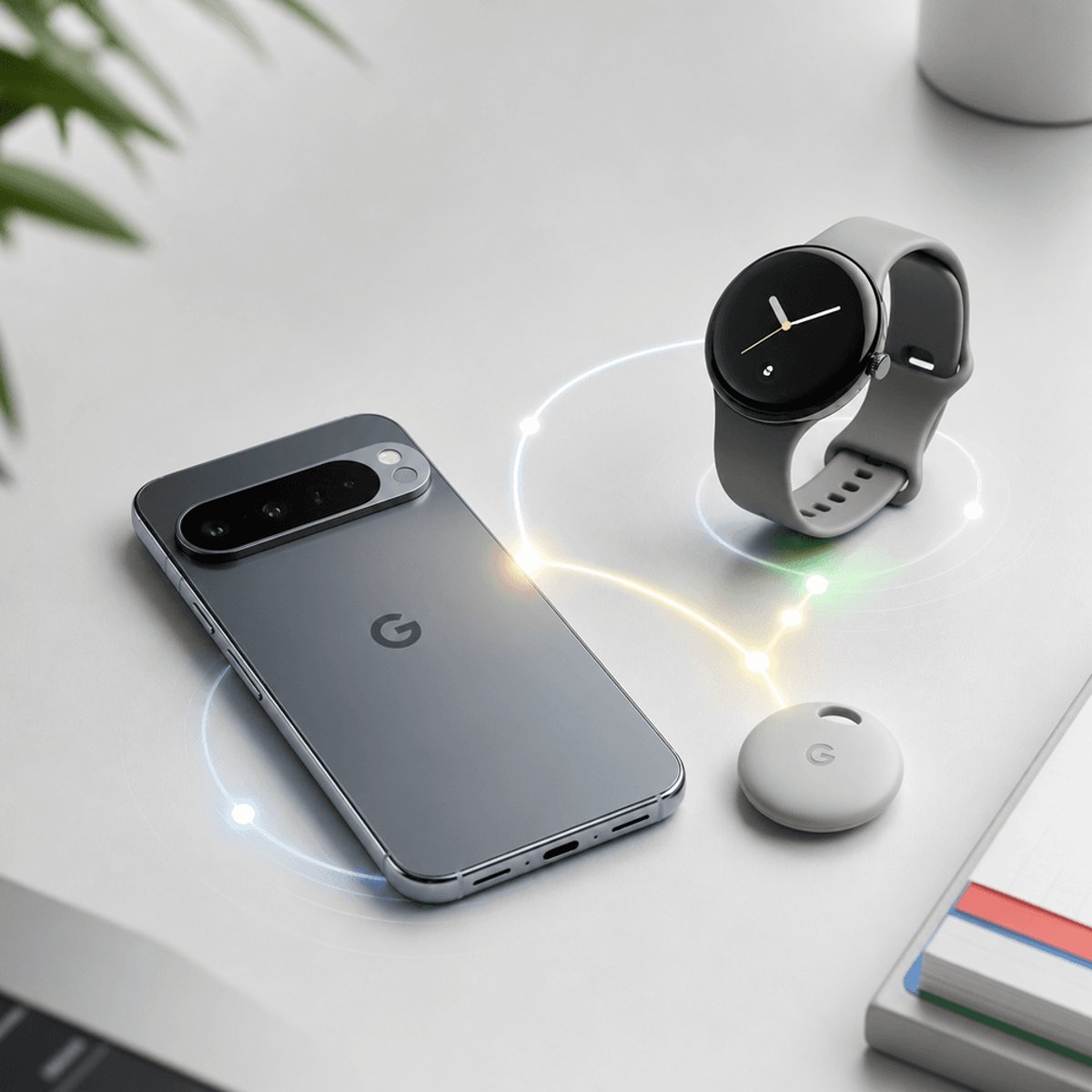
Google just threw down the gauntlet in consumer hardware. At its Made by Google 2026 event today, the company unveiled the Pixel 11 smartphone series, the Pixel Watch 5, and Pixel Tag - a direct shot at Apple's AirTag dominance. The announcement signals Google's most aggressive push yet into the premium hardware space, with Gemini AI features woven throughout the entire product lineup.
Google isn't holding back anymore. The tech giant's Made by Google 2026 event delivered a full-court press of hardware announcements that put the company on a collision course with Apple across multiple product categories. The Pixel 11 series takes center stage, but it's the broader ecosystem play that reveals Google's real strategy.
The Pixel 11 lineup represents Google's latest attempt to crack the premium smartphone market that Apple has dominated for years. While specific pricing and specs remain under wraps from the initial announcement, the phones are heavily marketed around their Gemini AI integration. Google's betting that AI assistants embedded directly into hardware will be the differentiator that finally gets consumers to switch.
But the real surprise came with Pixel Tag. Google's entering the item tracker market years after Apple's AirTag established the category and built a massive Find My network. The move suggests Google believes its Android ecosystem - which powers over 70% of global smartphones - can create a competitive tracking network. It's a bold claim considering Apple's head start and the network effects that make item trackers more valuable as more people use them.
The Pixel Watch 5 continues Google's push into wearables, a market where it's been playing catch-up since acquiring Fitbit. The watch reportedly includes new health monitoring features and tighter Gemini integration, letting users interact with Google's AI assistant directly from their wrist. It's part of a broader pattern: every product announced today positions Gemini as the central nervous system.
That AI-everywhere approach is what ties this hardware dump together. Google's not just launching products - it's building an ecosystem where Gemini follows you from your phone to your wrist to your lost keys. The strategy mirrors what Apple's done with Siri and its chip-level integration, but Google's betting its AI advantage can overcome Apple's hardware polish and ecosystem lock-in.
The timing is interesting too. Coming in August, Google's event beats Apple's traditional September iPhone launch by weeks. It's a deliberate attempt to steal thunder and set the narrative before Apple's inevitable AI announcements. Whether that strategy works depends on how quickly Google can actually ship these products and how well they perform in real-world use.
For the Android ecosystem, these launches matter beyond just Google's bottom line. Pixel devices serve as reference implementations that show other manufacturers what's possible with Android and Google services. If Gemini integration on Pixel 11 drives sales, expect Samsung, OnePlus, and others to rush similar AI features to market.
The Pixel Tag announcement is particularly significant for Google's services business. Item trackers rely on crowd-sourced location data, which means Google's betting millions of Android users will opt into its tracking network. That data becomes valuable not just for finding lost items, but for understanding movement patterns and physical retail behavior - insights that feed Google's advertising business.
What's missing from today's announcement is any mention of pricing strategy or specific availability dates beyond a vague 2026 launch window. Google's historically struggled with hardware distribution and inventory management. Having impressive products means nothing if consumers can't actually buy them or if they're priced out of reach.
The competition won't sit still either. Apple's expected to announce its iPhone 18 lineup next month with its own AI features, likely powered by an improved version of Apple Intelligence. Samsung just launched the Galaxy S26 series with advanced AI capabilities. Google's window to capitalize on these announcements is narrow.
What's clear is Google's going all-in on the idea that AI assistants need to live in hardware, not just cloud services. The company's spent years building Gemini into a genuinely capable AI system. Now it's betting that consumers will buy phones, watches, and trackers to access that AI in their daily lives. It's a multi-billion dollar bet on the future of computing.
Google's hardware blitz signals a major strategic shift - from being an Android software provider to a full-stack ecosystem competitor. The success of Pixel 11, Watch 5, and Tag will depend on execution, pricing, and whether Gemini's AI capabilities are compelling enough to overcome Apple's ecosystem advantages. For consumers, it means more choice in premium hardware. For the industry, it means the AI wars are moving from data centers into your pocket, onto your wrist, and onto your key ring. The real test comes when these products actually ship and reviewers get their hands on them.