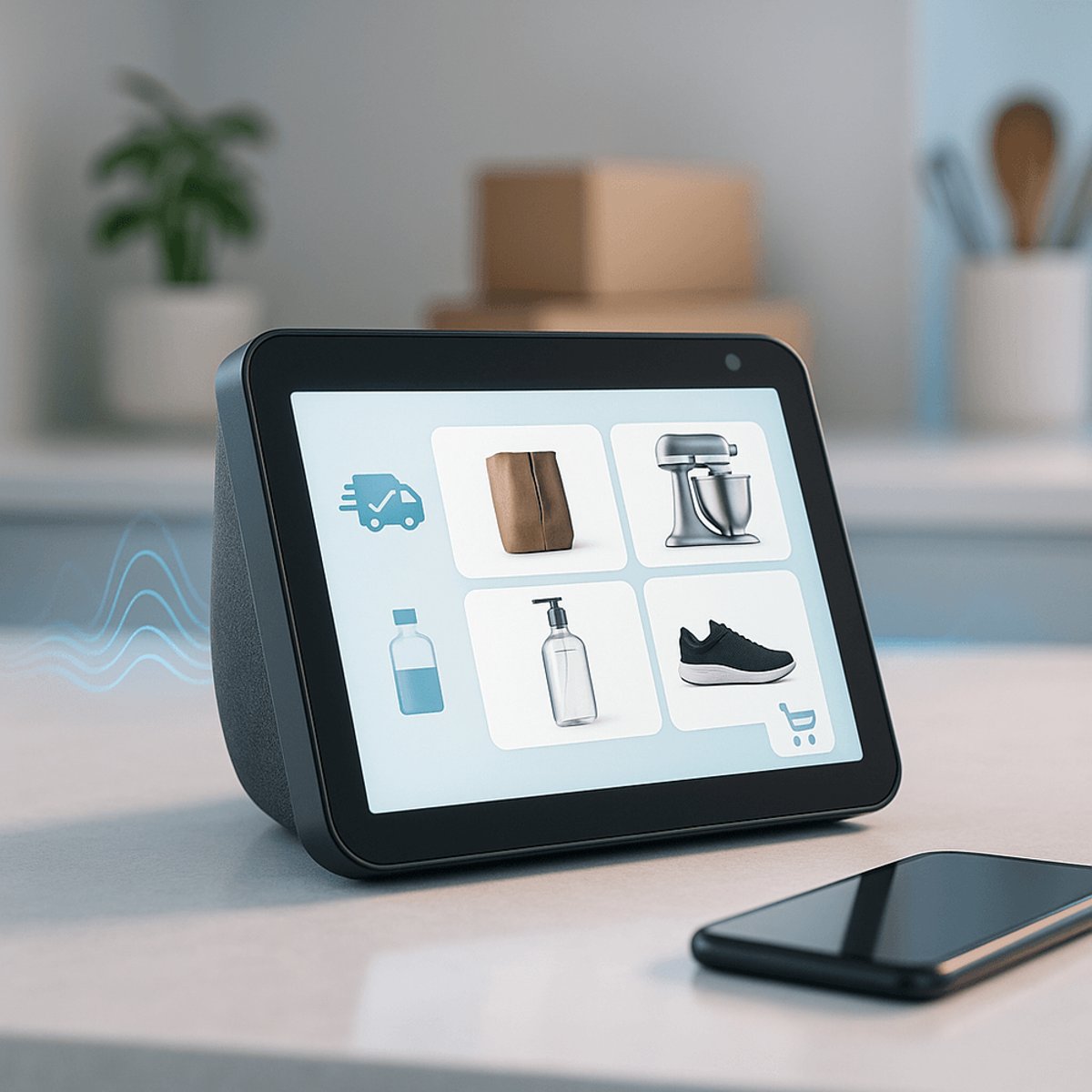
Amazon just turned its Echo screens into full-blown shopping command centers. The retail giant rolled out new Alexa+ features today that transform Echo Show devices into interactive shopping hubs, complete with real-time delivery tracking, personalized gift recommendations, and the ability to add items to orders until they leave the warehouse. It's Amazon's latest push to finally get people buying through voice assistants.
Amazon has been fighting an uphill battle for years. Despite selling millions of Echo smart speakers, studies consistently show that only about 2% of users actually buy things through Alexa. But the company isn't backing down – it's doubling down with a major Alexa+ upgrade that transforms Echo screens into full shopping dashboards.
Starting today, owners of Echo Show 15 and 21 devices in the U.S. and Canada can access what Amazon calls the "Shopping Essentials" experience. This isn't just another voice feature – it's a complete visual shopping interface that tracks your deliveries in real time, shows recent order details, reminds you about household essentials that need reordering, and displays your shopping lists and saved items all in one place.
The timing feels strategic. With holiday shopping in full swing, Amazon is betting that visual interfaces might crack the voice commerce code where audio-only interactions failed. Users can now tap directly on their Echo screens to browse products, add items to cart, and complete purchases without ever speaking a command.
To activate the new hub, users simply say "Alexa, where's my stuff?" or "Open Shopping Essentials." Amazon plans to add a dedicated shopping widget to Echo home screens soon, making the feature even more accessible. The company has also integrated voice shortcuts that feel more natural than previous attempts – you can describe who you're shopping for or mention an occasion, and Alexa+ will display categorized gift suggestions on screen.
Perhaps most interesting is the new last-minute addition feature. Customers can now add items to upcoming deliveries right up until packages leave Amazon's warehouses. While this capability already exists on Amazon's website and mobile app, bringing it to voice devices could change how people think about impulse purchases and forgotten essentials.
The rollout builds on Amazon's existing automated shopping features within Alexa+. The AI assistant already offers deal tracking that alerts users when cart items hit target prices, and can automatically purchase those items if customers opt in. These features represent Amazon's attempt to make Alexa+ more proactive about shopping rather than just reactive to commands.
But Alexa+ hasn't been universally embraced. Reddit discussions reveal frustrated users trying to downgrade back to the original Alexa experience, citing slower response times and unwanted features. Yet Amazon reports that downgrades remain in the "very low single digits" among its "tens of millions" of Alexa+ users.
The shopping hub launch comes as Amazon faces intensifying competition in AI assistants from Google Assistant, Apple's Siri, and emerging alternatives. By focusing on commerce integration, Amazon is playing to its core strength – but success depends on whether customers actually want their smart speakers to become shopping terminals.
The visual approach might be key. Previous voice-only shopping attempts failed partly because customers couldn't easily compare products, see images, or review details before purchasing. Echo Show devices solve those problems by combining voice convenience with visual confirmation.
Early indicators suggest Amazon is taking this seriously. The company has been quietly testing these features for months, and the simultaneous rollout across both the U.S. and Canada signals confidence in the approach. The integration with existing Amazon shopping infrastructure also means the experience should feel familiar to existing customers.
What's particularly clever is how Amazon positioned the features around immediate utility – tracking deliveries and managing household essentials – rather than just pushing more purchases. This could help overcome the trust barrier that's kept many users from embracing voice commerce.
Amazon's Shopping Essentials rollout represents a pivotal moment for voice commerce. By combining visual interfaces with voice convenience, the company might finally crack the code that's eluded the industry for years. Success won't be measured just in feature adoption, but in whether customers actually start buying through their Echo devices. With tens of millions of Alexa+ users now having access to these tools, the holiday shopping season will provide the first real test of whether Amazon's shopping hub vision can transform smart speakers from novelty items into genuine commerce platforms.