Anduril Industries, the $30.5 billion defense startup founded by Palmer Luckey, is facing mounting questions about its autonomous weapons technology after a series of high-profile failures during military testing and real combat in Ukraine. The setbacks, detailed in new Wall Street Journal reporting, include drone boats malfunctioning during Navy exercises and Ukrainian forces abandoning the company's loitering munitions after repeated battlefield failures.
The cracks in Anduril Industries' glossy defense tech narrative are becoming harder to ignore. What started as whispered concerns among military contractors has now exploded into public view with damning details from the Wall Street Journal about systematic failures across the company's autonomous weapons portfolio.
The most alarming incident occurred during a Navy exercise off the California coast in May, where more than a dozen of Anduril's autonomous drone boats simply stopped working. Sailors on scene warned of "safety violations and potential loss of life," according to the Journal's reporting. It's the kind of failure that sends shockwaves through Pentagon procurement offices already skeptical of Silicon Valley's promises to revolutionize warfare.
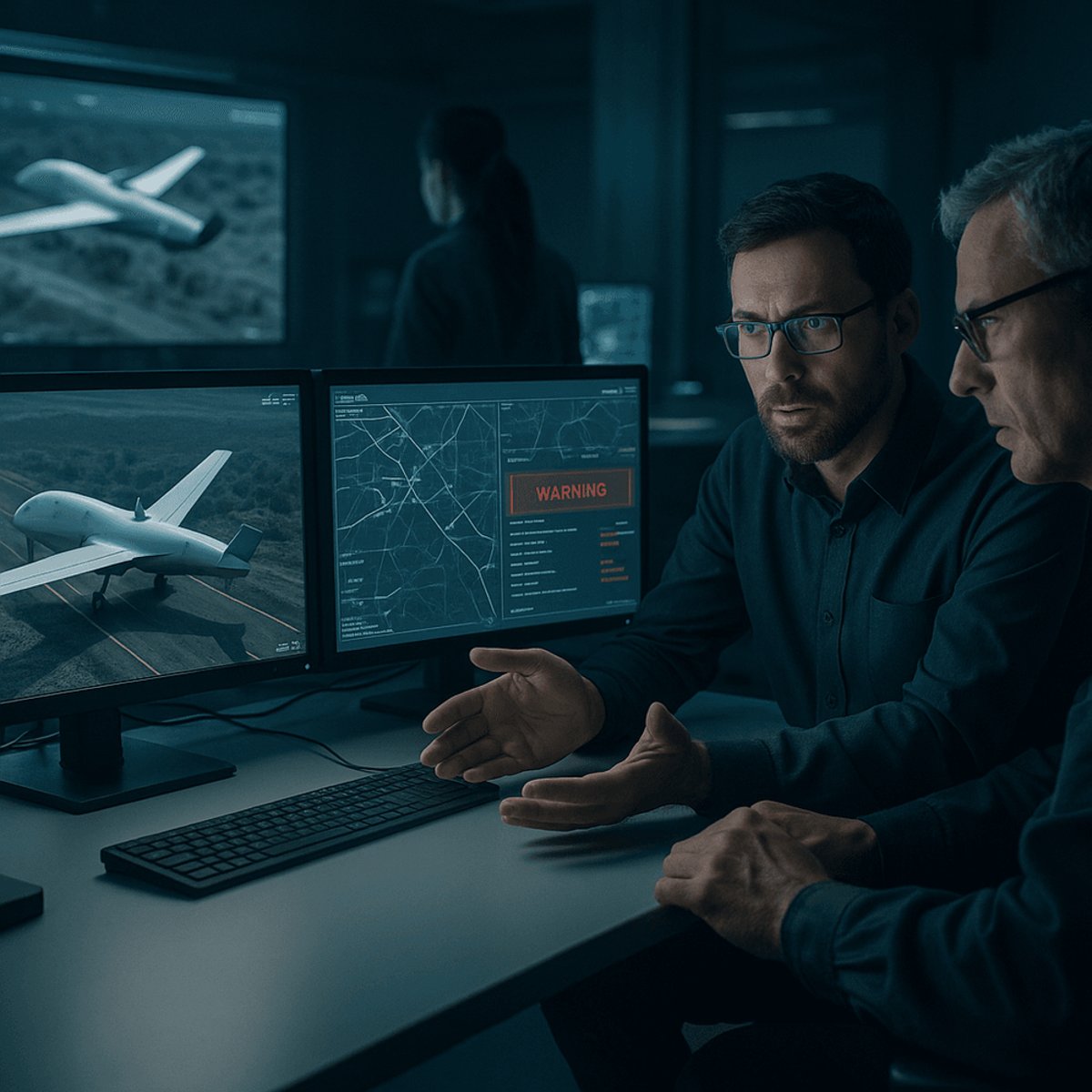
But the problems don't stop there. During summer testing, Anduril's unmanned fighter jet called Fury suffered a mechanical issue that damaged its engine during ground tests. Then in August, a test of the company's Anvil counterdrone system went so wrong it sparked a 22-acre fire in Oregon. Each incident represents millions of dollars in development costs and, more critically, eroding confidence from military customers.
The real gut punch comes from Ukraine, where Anduril's technology faced its first true battlefield test. Ukrainian SBU security forces found that the company's Altius loitering drones repeatedly crashed and failed to hit their targets. The performance was so poor that Ukrainian forces completely stopped using them in 2024 and haven't deployed them since.
This battlefield rejection carries enormous weight in defense circles. Ukraine has become the proving ground for next-generation military technology, with successful systems earning instant credibility and failed ones getting blacklisted. For a company that built its reputation on promising AI-powered precision weapons, having your only combat customer walk away is devastating.
Anduril raised $2.5 billion in June at a staggering $30.5 billion valuation, led by Founders Fund, which helped incubate Palmer Luckey's company after he sold Oculus to Facebook. That funding round positioned Anduril as the crown jewel of the defense tech boom, with investors betting that software-defined weapons would dominate future conflicts.
The timing of these revelations couldn't be worse for the broader defense tech sector. Companies like Palantir and Shield AI have been pushing similar narratives about AI revolutionizing warfare, and military budgets are increasingly flowing toward these Silicon Valley upstarts. But if the poster child for autonomous weapons can't get basic systems to work reliably, it raises questions about the entire sector's promises.
Anduril maintains these setbacks are "typical of weapons development" and insists its engineering team is making "meaningful progress." The company argues the incidents don't reveal fundamental flaws in its technology. But that's exactly what you'd expect any company to say when facing this level of scrutiny, especially one that just raised billions at a sky-high valuation.
The defense establishment has seen this movie before. During the Cold War, numerous high-profile weapons programs promised revolutionary capabilities only to deliver expensive failures. The difference now is the speed at which information travels and the scrutiny that comes with venture capital valuations based on future potential rather than proven performance.
What happens next will determine whether Anduril can recover from these setbacks or becomes a cautionary tale about overhyped defense tech. The company has won numerous military contracts and continues building autonomous aircraft and counter-drone systems. But confidence, once shaken in the defense world, takes years to rebuild.
The string of failures plaguing Anduril's autonomous weapons programs represents more than just technical growing pains - it's a reality check for the entire defense tech industry. With Ukrainian forces abandoning the company's drones and Navy exercises ending in safety warnings, the gap between Silicon Valley promises and battlefield reality has never been starker. As defense budgets increasingly flow toward AI-powered weapons systems, Anduril's stumbles serve as a crucial reminder that building reliable military technology requires more than just venture capital and ambitious valuations. The company's ability to address these fundamental issues will determine not just its own future, but whether the broader defense tech revolution can deliver on its transformative promises.