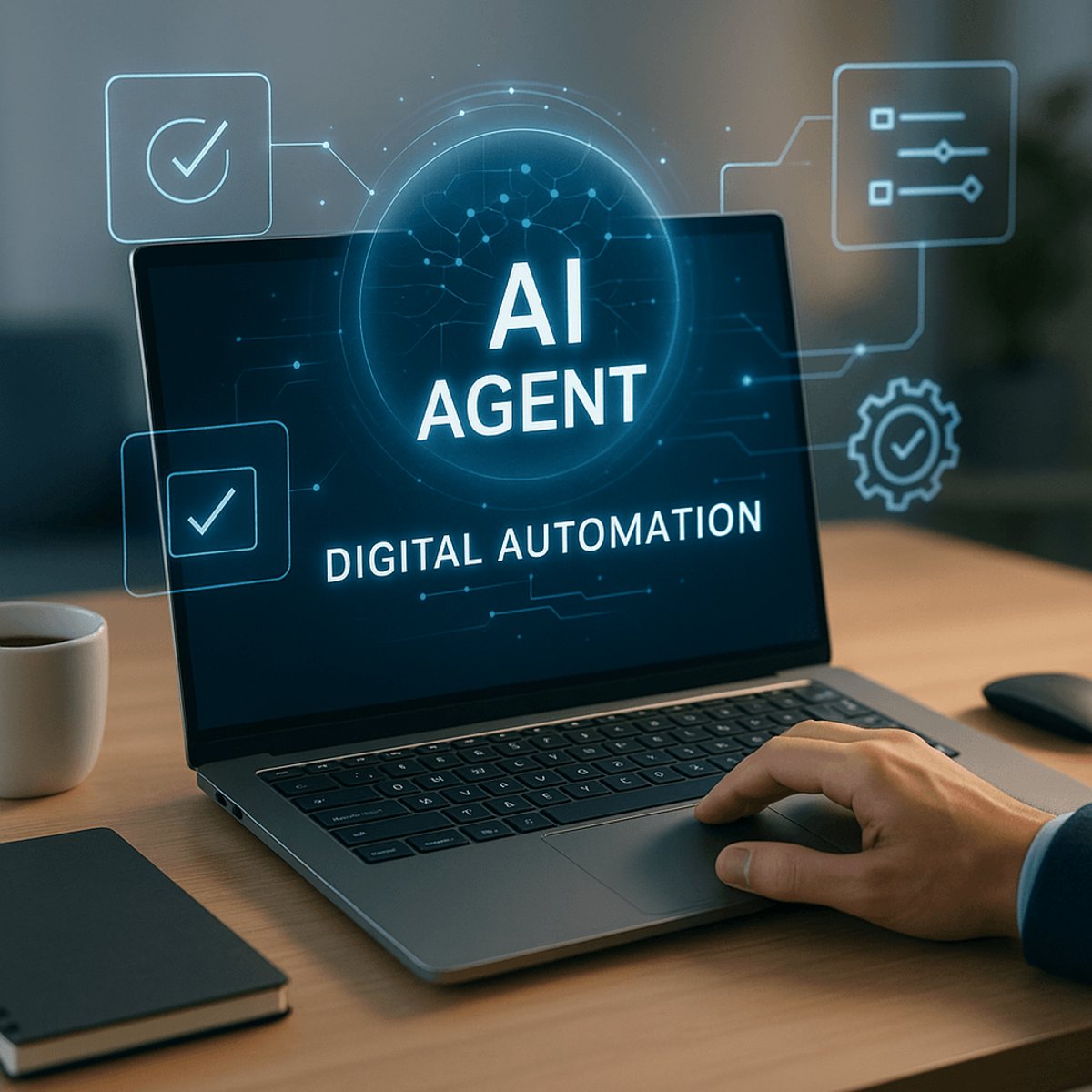
Anthropic just fired the latest salvo in the AI agent wars. The company announced Tuesday that Claude can now directly control users' computers to complete tasks autonomously, marking a major escalation in the race to build AI systems that don't just chat but actually do work. The move comes as the industry scrambles to match the viral success of OpenAI's OpenClaw demo earlier this year, which showed an AI agent booking travel and managing emails without human intervention.
Anthropic is pushing Claude into uncharted territory. The AI startup announced Tuesday that its flagship model can now take control of users' computers to autonomously complete tasks, transforming the chatbot into a full-fledged digital assistant that clicks, types, and navigates on your behalf.
The announcement positions Anthropic as a direct challenger to OpenAI in the emerging AI agent space. Earlier this year, OpenAI's OpenClaw demonstration went viral across social media, showing an AI system booking restaurant reservations, managing calendar conflicts, and responding to emails with minimal human oversight. That demo sparked both excitement and concern about AI systems operating with increasing autonomy.
Now Anthropic is betting that computer control represents the future of AI utility. Instead of users copying and pasting information between Claude and their applications, the AI can reportedly navigate software interfaces directly. Need to compile data from multiple spreadsheets? Claude could theoretically open the files, extract the information, and generate a summary report without you touching the keyboard.
The technical leap required for this capability is substantial. AI agents need to understand visual interfaces, plan multi-step workflows, and recover gracefully when something goes wrong. They must interpret buttons, menus, and forms the way humans do, then execute actions in the correct sequence. Google has been experimenting with similar technology through Project Mariner, while Microsoft has embedded agent capabilities into Copilot for enterprise customers.
But the race isn't just about technical prowess. It's about trust. Giving an AI system control of your computer means granting access to sensitive information, login credentials, and potentially destructive actions. One misinterpreted command could delete files, send incorrect emails, or expose private data. Anthropic has built its brand on AI safety and responsible development, positioning Claude as the more cautious alternative to competitors.
The competitive pressure is intense. OpenAI reportedly has multiple agent projects in development beyond OpenClaw. Google's DeepMind division is exploring agents that can navigate the web and complete research tasks. Meta has hinted at agent capabilities coming to its Llama models. The companies that crack reliable, safe AI agents stand to dominate the next era of productivity software.
For enterprise customers, the implications are massive. If AI agents can handle routine computer tasks, that could automate huge swaths of white-collar work currently done by humans. Data entry, report generation, email triage, calendar management - tasks that consume hours each week could happen in the background while employees focus on higher-level thinking. But that productivity gain comes with workforce disruption that companies and policymakers are only beginning to grapple with.
Anthropić hasn't disclosed the full technical details of how Claude's computer control works, what safeguards prevent misuse, or which tasks the system handles reliably versus experimentally. Those details matter enormously for evaluating whether this represents a production-ready feature or an impressive demo with limited real-world applicability.
The timing of the announcement suggests Anthropic felt pressure to demonstrate progress in agents before competitors pulled further ahead. OpenAI's OpenClaw generated mainstream media coverage and social media buzz that translated into mindshare and customer interest. In the AI arms race, perception of leadership matters almost as much as actual technical capabilities when it comes to attracting users and investment dollars.
What remains unclear is whether users actually want AI systems controlling their computers. Surveys show consumers are excited about AI assistance but nervous about autonomous systems making decisions without oversight. The gap between demo-ready technology and tools people trust enough to use daily remains substantial.
Anthropic's push into computer-controlling AI agents marks a pivotal moment in the evolution from chatbots to autonomous systems. Whether Claude's capabilities match the hype depends on details the company hasn't yet revealed - reliability, safety mechanisms, and real-world performance under diverse conditions. But the broader trend is clear: AI companies are racing to build systems that don't just answer questions but take action. The winners will be those who can balance capability with the trust required for users to actually hand over control. For now, the agent wars are just heating up, and every major AI lab is scrambling to prove their technology can actually do useful work in the messy reality of everyday computing.