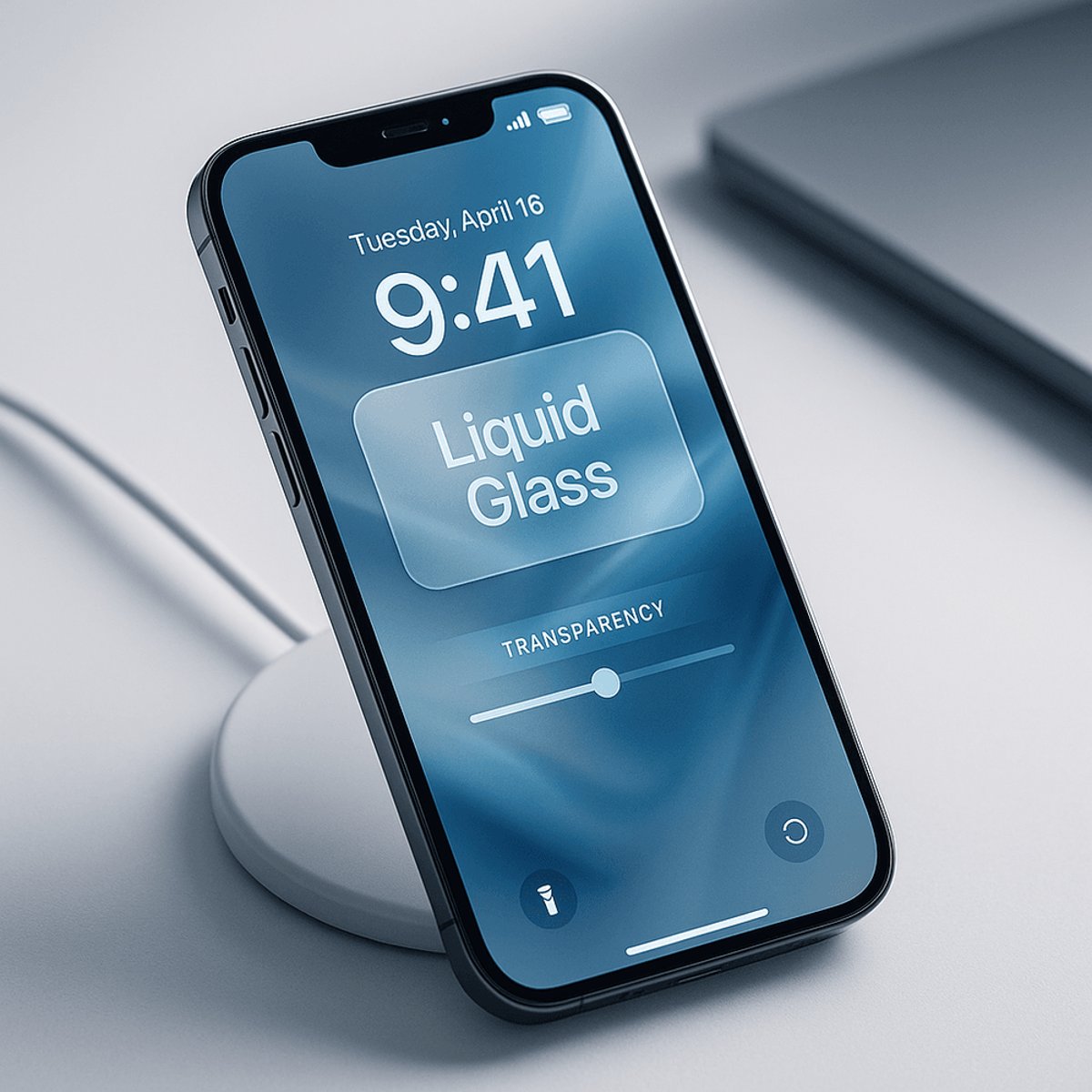
Apple just dropped iOS 26.2 beta 1, and it's packed with visual tweaks that could reshape how users interact with their lock screens. The most eye-catching addition is a new slider that lets you dial the transparency of the Liquid Glass clock interface up or down - from nearly invisible to fully frosted. It's the kind of granular customization that Apple users have been craving since the design overhaul landed.
Apple is fine-tuning its Liquid Glass interface in ways that suggest the company is listening to user feedback about visual flexibility. The iOS 26.2 beta 1, released last week, introduces a transparency slider that fundamentally changes how users can interact with their lock screen clock.
The slider lets you adjust the opacity anywhere from nearly transparent to heavily frosted, giving users control over how much the clock stands out against their wallpaper. It's a small change that addresses one of the bigger complaints about Apple's Liquid Glass design - that it was too visually dominant for some users' tastes. You can still turn off Liquid Glass entirely if you prefer the classic look.
But the real productivity win comes in the Reminders app. Apple has finally added the alarm functionality that users have been requesting for years. When you create a reminder and set a specific time, enabling the new 'Urgent' option will trigger an actual alarm notification at that moment. It's the kind of feature that sounds obvious in hindsight but required Apple to bridge the gap between passive reminders and active alarms.
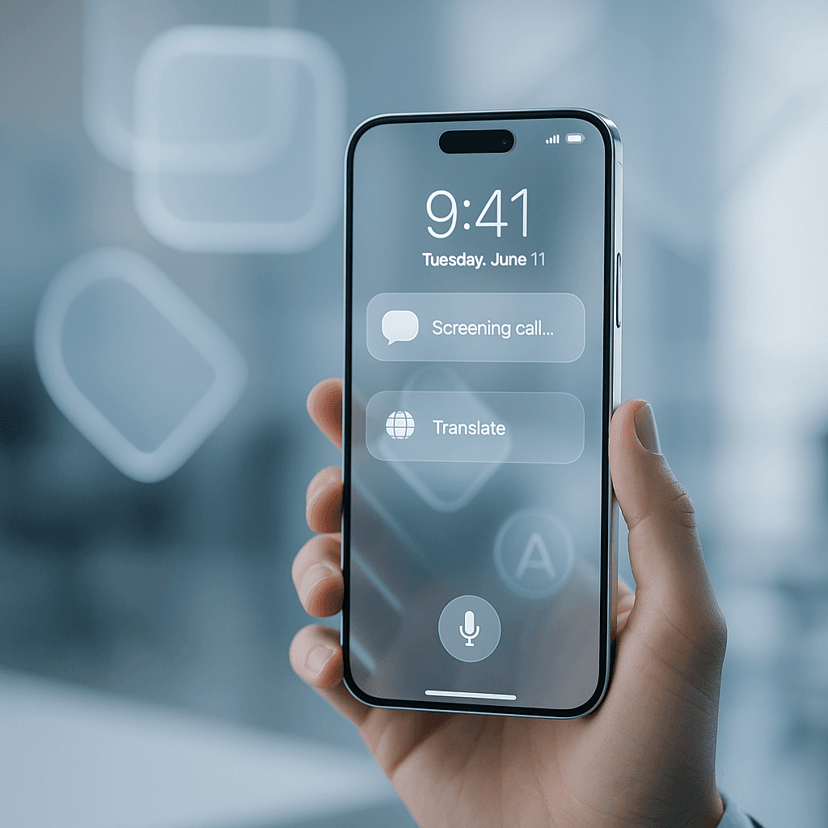
The timing of these updates isn't coincidental. Apple is also using iOS 26.2 to expand AirPods live translation to EU users, after spending months ensuring compliance with the Digital Markets Act. The feature was already available in the U.S. and select countries with iOS 26, but EU regulations required additional privacy and interoperability safeguards that Apple needed time to implement.
When someone speaks to you in another language, Siri now provides real-time translations directly through your AirPods - no need to pull out your phone or fumble with translation apps. It's particularly useful for travelers or anyone working in multilingual environments, and the EU expansion significantly broadens its potential user base.
The update also brings AI into podcast consumption in a meaningful way. Apple Podcasts is gaining AI-generated chapters that automatically break down episode content, plus a 'Podcast Mentions' feature that creates clickable links when hosts reference other shows. It's Apple's answer to the discoverability challenges that plague podcast platforms.
Apple News is getting a navigation overhaul with a new 'Following' tab that consolidates favorites, saved stories, and reading history in one place. The app also adds quick-access buttons for topics like Food, Politics, Puzzles, and Sports - suggesting Apple is trying to make news consumption more browsable and less algorithmic.
Even Apple Music gets an upgrade with offline lyric support, letting you sing along even when you're disconnected from cellular or Wi-Fi networks. It's the kind of feature that seems minor until you're on a plane or in a dead zone and realize how much you rely on lyrics to enjoy music.
The accessibility improvements round out the update with a screen flash notification option, activated through Settings under Accessibility. It's designed for users who might miss audio or vibration alerts.
The public release of iOS 26.2 is expected sometime in December, giving Apple time to work through any bugs that beta testers uncover. But the feature set suggests Apple is focused on refinement rather than revolution - taking existing interfaces and making them more customizable, more useful, and more accessible.
iOS 26.2 beta represents Apple's approach to iterative improvement - taking user feedback and turning it into tangible interface changes. The Liquid Glass customization addresses real usability concerns, while the Reminders alarm feature fills a gap that's frustrated productivity-focused users for years. With EU translation expansion and AI-powered podcast features, Apple is also showing how it can navigate regulatory requirements while pushing forward on machine learning integration. The December public release should give these features wider testing before they land on millions of devices.