Samsung just launched One UI 8, bringing advanced multimodal AI capabilities to millions of Galaxy devices worldwide. Starting with the Galaxy S25 series this week, the update introduces personalized suggestions, enhanced security features, and real-time contextual intelligence that transforms how users interact with their smartphones and tablets. This marks Samsung's biggest AI push yet, democratizing advanced artificial intelligence across its entire Galaxy ecosystem.
Samsung just fired the opening shot in the next phase of the smartphone AI wars. The Korean tech giant announced today it's officially rolling out One UI 8, packed with advanced multimodal AI capabilities that promise to make every Galaxy device smarter, more secure, and eerily good at predicting what you need next.
The rollout starts this week with the Galaxy S25 series before expanding to the Galaxy S24 lineup, Z Fold6, Z Flip6, and the S24 FE. By year's end, Samsung plans to push the update to over 30 eligible devices, democratizing AI features that until now have been reserved for flagship models.
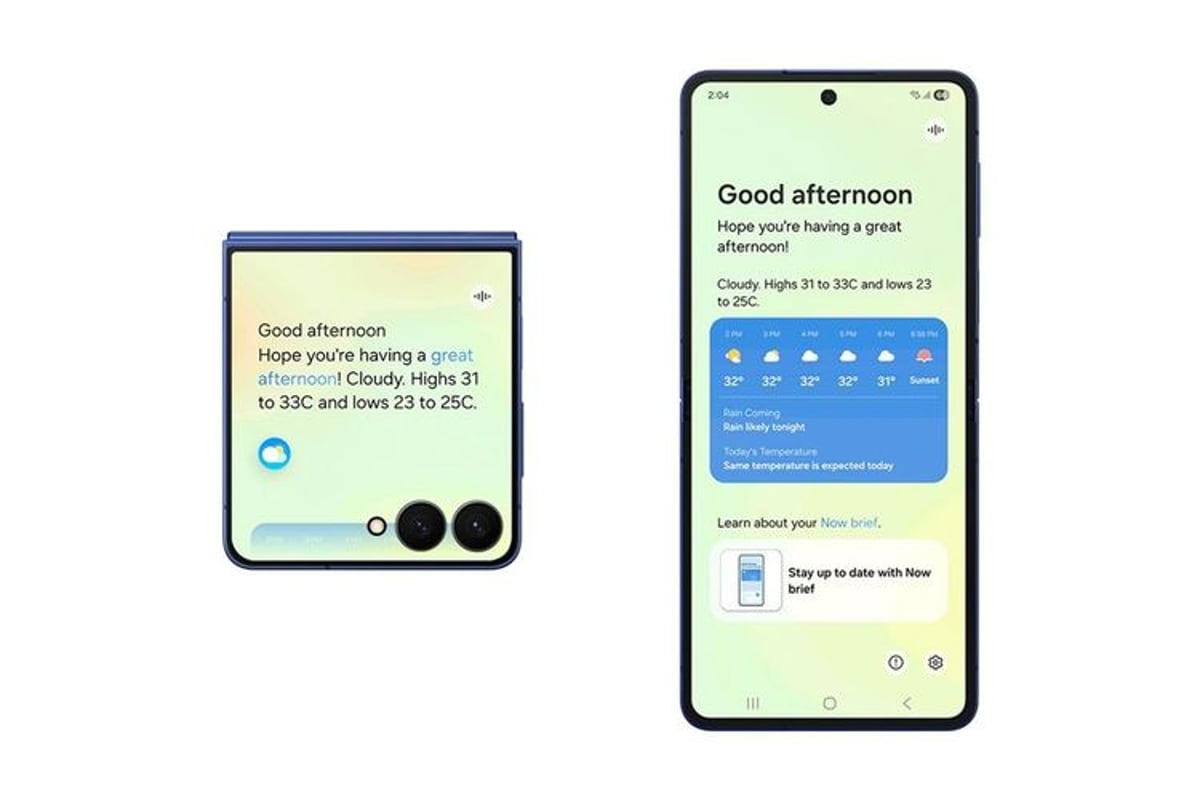
What makes One UI 8 different isn't just another AI assistant - it's Samsung's vision of contextual intelligence that actually understands your daily routines. The new Now Brief feature doesn't just show you the weather; it learns your commute patterns, tracks your subscriptions, and even pulls personalized health insights from your Galaxy Watch. "We've been preparing for this shift since Q2," one Samsung executive told The Information, revealing how the company has quietly been building this AI infrastructure for months.
But here's where things get interesting for privacy-conscious users. Samsung introduced Knox Enhanced Encrypted Protection (KEEP), a new security architecture designed specifically for AI experiences. Unlike traditional security that protects the whole device, KEEP creates encrypted, app-specific storage environments. Each app can only access its own sensitive information - a critical safeguard as AI features become more personalized and invasive.
The multimodal AI integration goes deeper than Surface-level features. Google's Gemini Live now runs natively within Samsung's ecosystem, understanding what you're seeing or watching in real-time without forcing you to switch between apps. Circle to Search gets gaming-specific upgrades, providing in-the-moment help when you circle characters or strategies during gameplay. The feature now offers real-time translation as you scroll through content, turning foreign news articles and social media posts into your preferred language instantly.
For foldable users, Samsung's really showing off. The Galaxy Z Flip's FlexWindow now runs Gemini Live directly on the cover screen, turning the external display into a hands-free AI assistant. The Now Bar displays real-time app activity and media progress right on the FlexWindow, integrated with third-party apps for the first time.
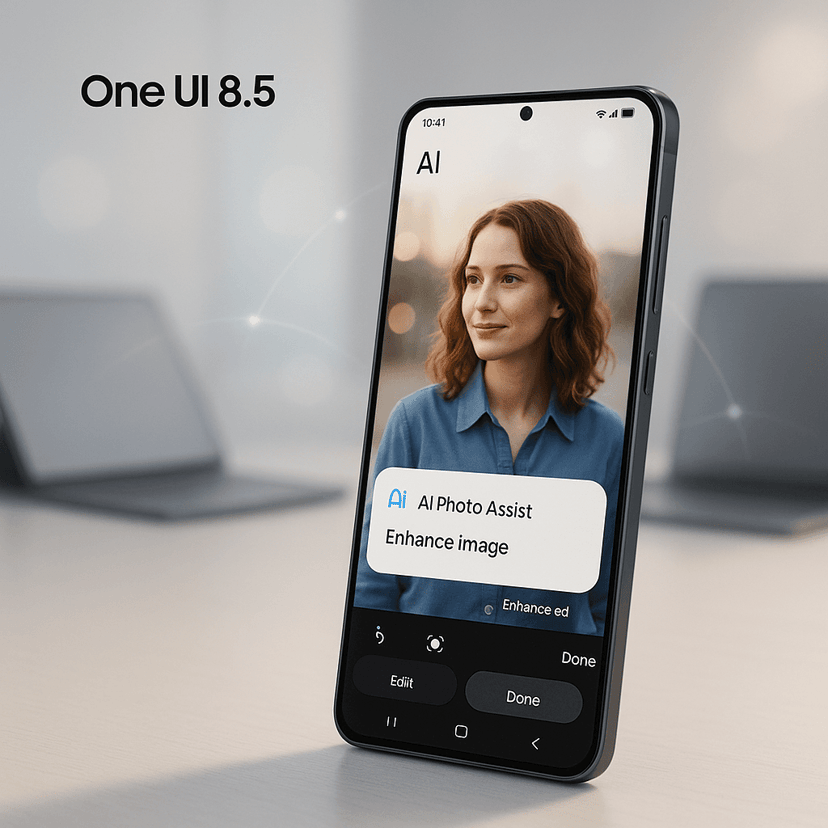
Samsung's betting big on what it calls "AI democratization" - making advanced artificial intelligence accessible across its entire device lineup rather than keeping it locked to premium models. The Audio Eraser feature proactively detects and removes background noise from videos with a single tap, while Portrait Studio can now capture and generate artistic pet portraits using AI.
The timing isn't coincidental. With Apple still rolling out its Intelligence features gradually and Google pushing Pixel-exclusive AI capabilities, Samsung sees an opportunity to become the Android AI leader. The company's approach focuses on integration across form factors - from traditional smartphones to foldables and tablets - rather than creating standalone AI experiences.
What's particularly clever is how Samsung's implemented post-quantum cryptography into its Secure Wi-Fi feature. As quantum computing threatens current encryption methods, Samsung's already building defenses into its consumer devices. Knox Matrix takes security further by automatically signing devices out of Samsung accounts when serious security risks are detected, sending notifications across your entire Galaxy ecosystem.
The rollout represents more than just a software update - it's Samsung's answer to the question of how AI should integrate into daily life. Rather than forcing users to learn new interfaces or download separate apps, One UI 8 embeds intelligence directly into existing workflows. Multi Window now lets users drag and drop AI-generated content, including images and text, directly into their work.
What remains to be seen is how users respond to this level of AI integration. Samsung's betting that personalization trumps privacy concerns, but the company's emphasis on KEEP and Knox Matrix suggests it's aware of the delicate balance. As One UI 8 reaches millions of devices over the coming months, Samsung's either solving the AI adoption puzzle or creating the template for how not to overwhelm users with artificial intelligence.
Samsung's One UI 8 rollout signals a major shift in how AI integrates with mobile devices. By prioritizing contextual intelligence over flashy features and building privacy protections from the ground up, Samsung's positioning itself as the Android AI leader while Apple and Google still figure out their strategies. The real test comes as millions of Galaxy users experience this level of AI integration for the first time - success here could define Samsung's competitive advantage for the next era of smartphones.