Apple just revealed its 2025 App Store Award winners, and while the company continues its deliberate snub of standalone AI apps, artificial intelligence quietly dominated the winning lineup. Visual planner Tiimo claimed iPhone App of the Year with its AI-powered scheduling, while iPad winner Detail leverages AI for automatic video editing - signaling Apple's careful embrace of AI functionality without the hype.
Apple just dropped its annual App Store Awards, and the results tell a fascinating story about how the company views AI in 2025. While Cupertino continues to cold-shoulder standalone AI apps and chatbots for its top honors, artificial intelligence quietly swept the winner's circle through the back door.
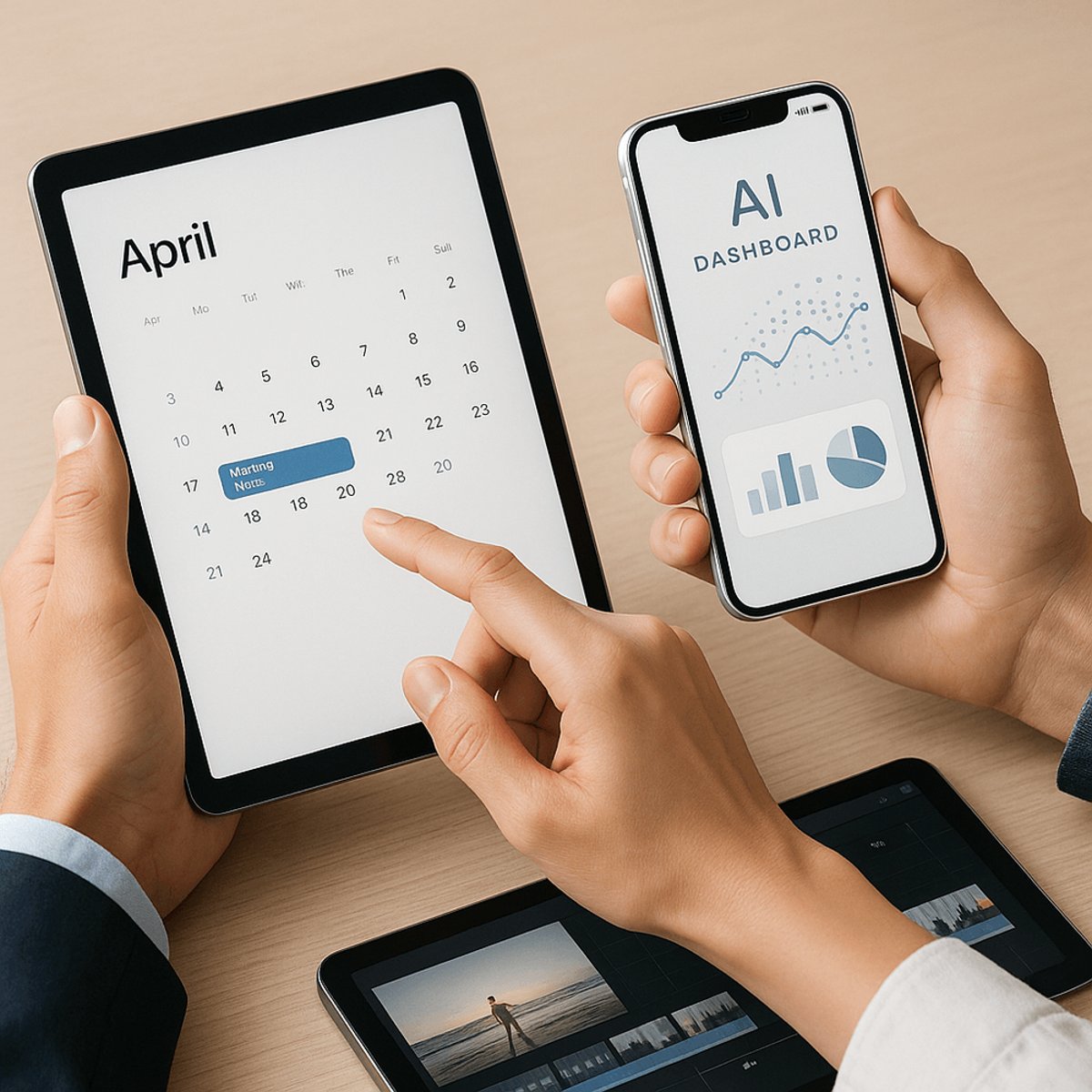
The iPhone App of the Year went to Tiimo, a visual AI planner that transforms chaotic to-do lists into realistic schedules. The app uses machine learning to estimate task durations and create visual timelines - exactly the kind of practical AI implementation Apple seems to favor over flashy conversational bots. It's smart scheduling without the Silicon Valley hype.
Meanwhile, iPad users got Detail, an AI-powered video editor that handles the tedious stuff automatically. Its "Auto Edit" feature removes dead air, adds zoom cuts, and generates titles and captions - basically turning anyone into a content creator without the learning curve. The app represents Apple's preference for AI that disappears into the user experience rather than announcing itself.
The Cultural Impact winners reveal where Apple thinks AI should really shine. StoryGraph uses machine learning to recommend books based on reading patterns, while Be My Eyes deploys AI to describe real-world images for blind and low-vision users. Even Strava earned the Apple Watch App of the Year title partly for its AI assistant that converts workout data into actionable insights.
This pattern isn't accidental. Apple has consistently avoided crowning dedicated AI apps or chatbots in previous years, even as competitors rush to celebrate anything with "AI" in the name. The company's approach reflects its broader philosophy: AI should enhance existing workflows rather than create entirely new categories of interaction.
The gaming side stayed relatively AI-light, with Pokémon TCG Pocket claiming iPhone Game of the Year - though even here, the app likely uses machine learning for matchmaking and card recommendations behind the scenes. Apple's gaming picks focused more on engagement and cultural impact than technological novelty.
Apple's Cultural Impact category deserves special attention this year. Focus Friend, created by science communicator Hank Green, also won Google Play's App of the Year, highlighting how simple, well-designed productivity tools are resonating across platforms. The distraction-blocking app uses gentle gamification rather than AI, showing Apple values human-centered design over pure technological innovation.
The winners were selected from 45 finalists announced in November, eventually narrowed to 17 across iPhone, iPad, Mac, Vision Pro, Apple Watch, Apple TV, and Apple Arcade categories. The selection process reveals Apple's editorial stance on what good software looks like in 2025.
What's particularly telling is how these AI-powered winners integrate their capabilities. None lead with "AI" in their marketing or app names - they simply work better because of machine learning running in the background. This aligns perfectly with Apple's own AI strategy, where features like Photos search and Siri suggestions feel magical precisely because users don't think about the underlying technology.
The timing also matters. As the broader tech industry debates AI safety, regulation, and the environmental cost of large language models, Apple's picks celebrate AI applications that solve real problems without requiring massive computational resources or raising ethical concerns about misinformation.
Apple's 2025 App Store Awards reveal a company that's embracing AI without the fanfare. By celebrating apps that use artificial intelligence to enhance human capabilities rather than replace them, Apple is quietly setting the standard for how AI should integrate into daily life. The winners suggest that the future of AI isn't chatbots or virtual assistants - it's invisible technology that makes existing tasks easier, more accessible, and more human-centered. As the AI hype cycle continues elsewhere, Apple's picks remind us that the best technology often goes unnoticed.