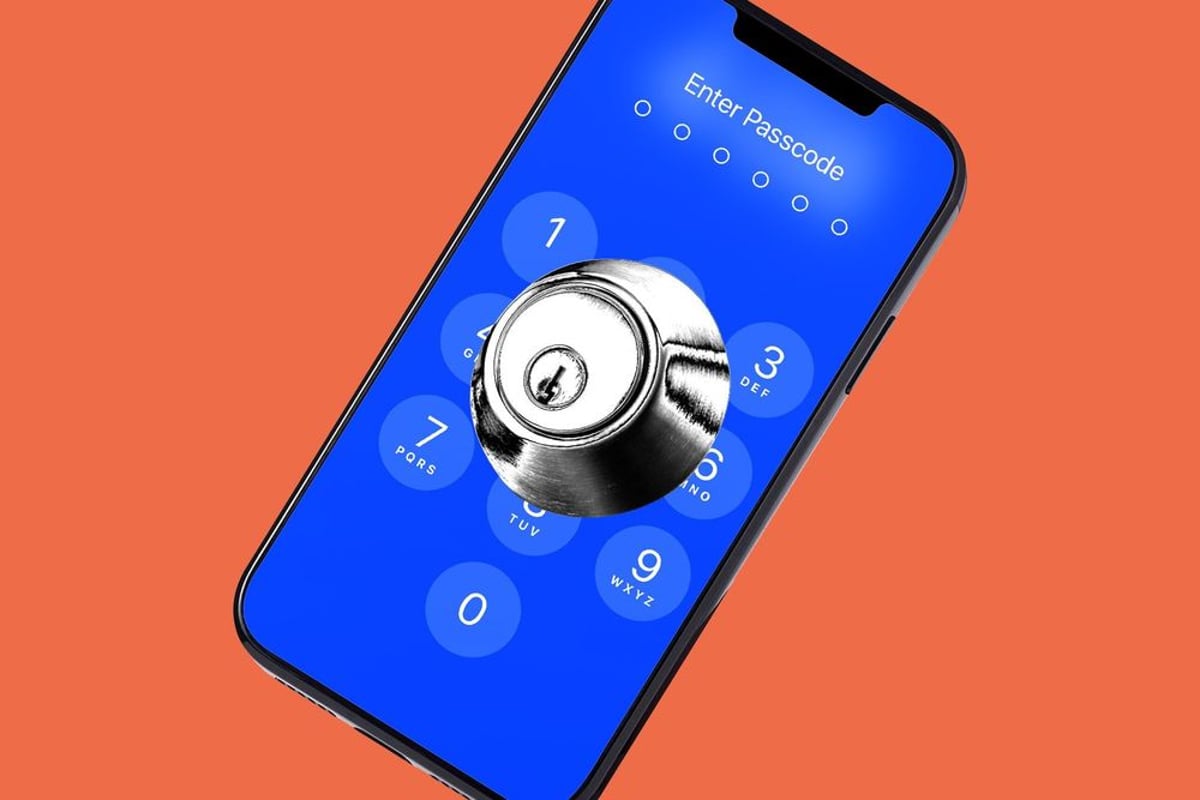
The federal government just opened a new front in the battle over digital privacy at US borders. Prosecutors charged American citizen Sam Tunick with obstruction for allegedly using a duress password - a security feature that wipes a device when activated - during a January airport detention. The case marks what appears to be the first criminal prosecution for using legitimate smartphone security technology, raising alarm bells across the privacy and civil liberties community about the limits of digital self-defense.
Federal agents detained Sam Tunick at Atlanta's Hartsfield-Jackson airport on January 24, 2025, allegedly to question him about child exploitation images. But when authorities demanded access to his phone, something unexpected happened - the device wiped itself clean. Now the government wants to send him to prison for it.
Prosecutors allege Tunick deliberately provided a duress password, a legitimate security feature available on many smartphones that triggers a factory reset when entered under coercion. The move has thrust an obscure corner of digital security into the legal spotlight, testing whether Americans retain the right to protect their data at the border using tools specifically designed for that purpose.
According to court filings reviewed by TechCrunch, federal prosecutors are deploying a little-known statute that criminalizes destroying or damaging property to prevent government seizure. The law, originally aimed at physical evidence destruction, has rarely been applied to digital data - and never, legal experts say, to punish someone for using a manufacturer-designed security feature.
But Tunick's defense team isn't buying the government's stated rationale. In a motion to dismiss, his attorneys argue the child exploitation angle was merely "a pretext for a fishing expedition into Mr Tunick's connections" to the Stop Cop City movement in Atlanta. The activist campaign, which opposes construction of a large police training facility, has faced intense federal scrutiny over the past year.
The timing adds weight to that argument. Federal authorities have aggressively pursued Stop Cop City activists, including controversial use of terrorism-related charges that were later dropped. Privacy advocates monitoring the case see Tunick's prosecution as part of a broader pattern of government overreach targeting political movements through digital surveillance.
Duress passwords exist precisely for scenarios like border crossings, where individuals face immense pressure to unlock devices without traditional legal protections. The US has long maintained that routine border searches don't require warrants, creating what civil liberties groups call a "Constitution-free zone" for travelers' digital lives. A 2019 federal court ruling found suspicionless phone searches at borders violated the Fourth Amendment, but the practice continues amid ongoing legal battles.
The technology itself is straightforward - users configure an alternate passcode that, when entered, triggers a secure wipe of the device. It's marketed as protection against theft, coercion, and exactly the kind of compelled access Tunick allegedly faced. Apple and Samsung both offer variations of the feature, though neither company has commented on the case.
Legal scholars are watching closely because the government's theory could criminalize a wide range of digital security practices. If using a duress password constitutes obstruction, what about encryption that makes data unrecoverable? Or remote wipe features activated when a device is reported stolen? The implications stretch far beyond one activist at one airport.
Prosecutors face a tricky path forward. They'll need to prove Tunick knowingly destroyed evidence of a crime, not just protected his privacy using a legal tool. The defense will likely argue he had no obligation to assist in what amounted to a warrantless search, and that his Fifth Amendment right against self-incrimination protected his decision to enter whatever passcode he chose.
The case also exposes tensions between national security concerns and individual rights in an era when phones contain entire digital lives. Law enforcement argues border searches are crucial for intercepting illegal content and preventing security threats. Privacy advocates counter that allowing unrestricted device access creates opportunities for abuse, especially against marginalized communities and political activists.
What happens next could reshape the legal landscape for millions of international travelers. A conviction would signal that using built-in security features at borders carries criminal risk. An acquittal might embolden more people to invoke technical protections against searches they view as intrusive or pretextual. Either way, the collision of encryption technology and border authority is forcing courts to draw new lines in digital sand.
The Tunick prosecution represents uncharted legal territory where smartphone security features collide with government search authority. Whether using a duress password constitutes criminal obstruction or legitimate self-protection will likely require courts to balance law enforcement needs against constitutional privacy rights. For now, travelers face an uncomfortable reality - the security tools built into their devices might land them in federal court if deployed at the wrong moment. The case could take years to resolve, but its outcome will define how much control Americans retain over their digital lives when crossing borders.