Your electric vehicle might soon do more than just get you to work. As the US power grid strains under unprecedented demand, automakers are racing to turn millions of EVs into distributed battery banks capable of feeding electricity back into homes and the grid itself. The technology, called bidirectional charging, is shifting from concept to reality just as America needs it most - with grid operators warning of summer blackouts and data centers sucking up power at record rates.
The math is staggering. Tesla alone has sold over 5 million vehicles globally, each packing battery capacity that dwarfs typical home power needs. A standard EV battery holds 60-100 kilowatt-hours of energy - enough to run an average American home for two to three days. Now imagine tapping into that reservoir when the grid is buckling under summer heat or winter storms.
That's exactly what's happening. Automakers are finally building bidirectional charging capability into new models, turning what was once a niche feature into standard equipment. Ford led the charge with the F-150 Lightning's ability to power homes during outages. Now competitors are scrambling to catch up as grid operators realize they're sitting on a goldmine of distributed energy storage.
The timing couldn't be better - or more urgent. US power grids are creaking under unprecedented strain. AI data centers are gobbling up electricity at rates that would've seemed absurd just five years ago. Climate change is delivering more extreme weather events that knock out transmission lines and spike demand. And the buildout of new generation capacity can't keep pace.
"We're looking at potential shortfalls in grid capacity that are honestly terrifying," one utility executive told industry analysts during a recent briefing. "Vehicle-to-grid technology isn't just a nice-to-have anymore. It's becoming critical infrastructure."
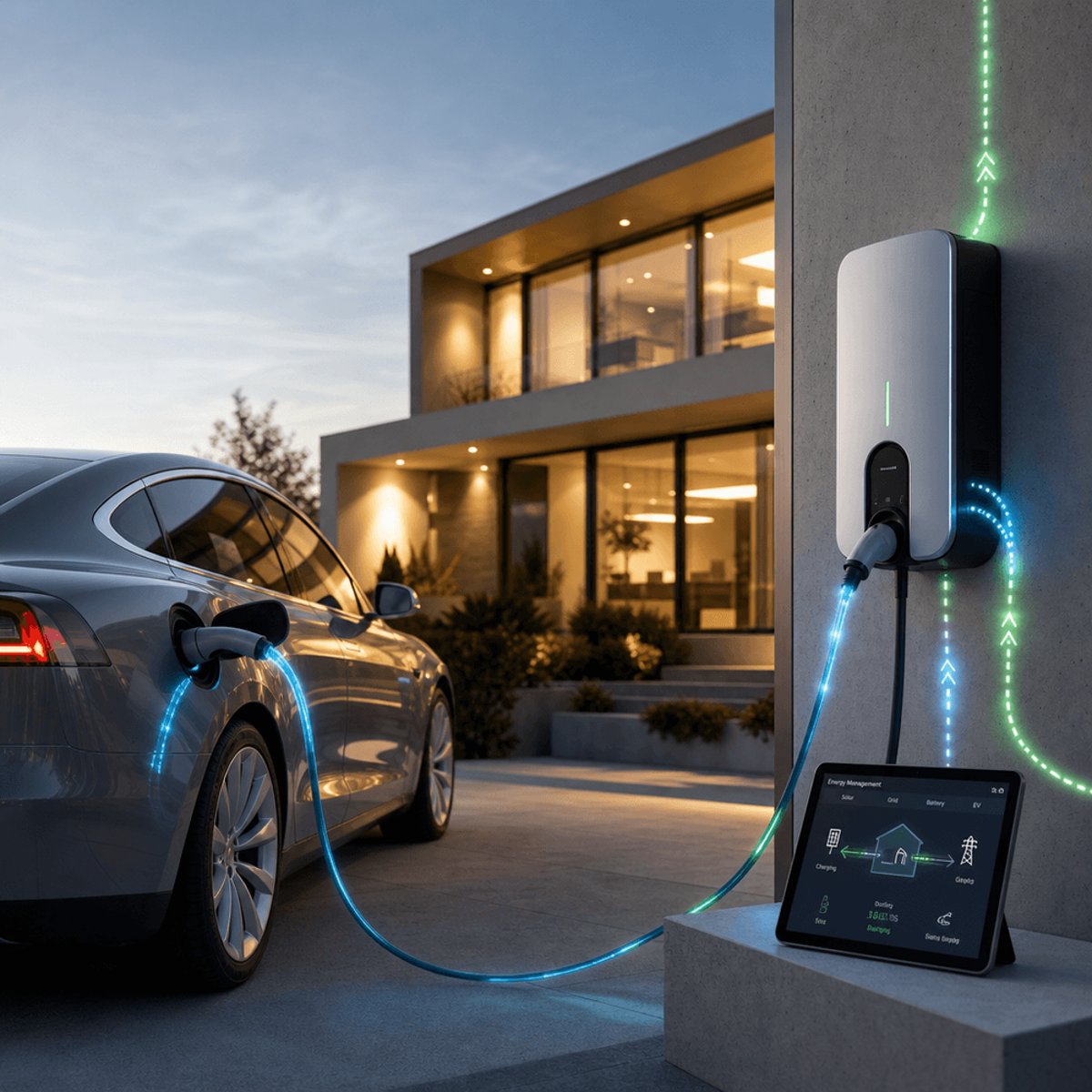
The technology works through special bidirectional chargers that can both fill EV batteries and draw power back out when needed. During periods of peak demand - say, a scorching afternoon when air conditioners are maxed out - utilities can tap into thousands of parked EVs to supplement grid supply. Owners get paid for the service, creating a new revenue stream that effectively subsidizes their vehicle ownership.
Several pilot programs are already proving the concept. In California, where rolling blackouts have become an unwelcome summer tradition, utilities are partnering with EV owners to create virtual power plants. When grid operators send the signal, participating vehicles automatically feed power back, shaving peak demand and preventing blackouts.
The numbers work surprisingly well for consumers too. An EV owner who participates in vehicle-to-grid programs can earn $500 to $1,500 annually, depending on how often they make their battery available. That's real money that offsets charging costs and accelerates the payback period on what's still a premium purchase for most buyers.
But there's a catch - the infrastructure isn't quite there yet. Bidirectional chargers remain expensive, typically running $3,000 to $5,000 installed. Standardization is still a work in progress, with competing protocols creating compatibility headaches. And utilities are just beginning to build the software platforms needed to orchestrate thousands of mobile batteries in real-time.
General Motors is betting big anyway. The automaker announced plans to make bidirectional charging standard across its EV lineup by 2026, a move that could put millions of mobile batteries on the grid within a few years. Hyundai and Volkswagen are following similar paths, recognizing that grid services could become a major selling point as EV adoption accelerates.
The regulatory landscape is evolving fast too. Several states are considering mandates that would require new EVs to include bidirectional capability, treating it as essential infrastructure rather than optional equipment. The logic is simple - if taxpayers are subsidizing EV purchases through tax credits, those vehicles should provide grid benefits in return.
There are legitimate concerns about battery degradation. Cycling batteries more frequently does wear them out faster, though manufacturers insist the impact is minimal with proper battery management systems. Most are offering warranties that cover vehicle-to-grid usage, betting that the chemistry can handle the extra duty cycles without significant life reduction.
The potential scale is what gets grid operators excited. If just 10% of the projected 30 million EVs expected on US roads by 2030 participate in vehicle-to-grid programs, that's 3 million mobile batteries providing flexible capacity exactly when and where it's needed. That's equivalent to building dozens of new power plants, but with zero construction time and distributed across neighborhoods rather than concentrated in central facilities.
Some energy analysts see this as the missing piece in the renewable energy puzzle. Wind and solar are cheap and clean, but intermittent. Massive battery installations can smooth out supply, but they're expensive and take years to build. EVs offer instant, distributed storage that's already being purchased for other reasons. It's infrastructure arbitrage at massive scale.
The convergence of grid stress and EV adoption is creating an accidental infrastructure revolution. What started as a backup power feature for individual homeowners is morphing into a distributed energy system that could reshape how America keeps the lights on. The technology is ready, automakers are committed, and the economics are starting to pencil out. What remains is the unglamorous work of building out charging infrastructure, standardizing protocols, and convincing millions of car owners that their vehicle can be more than transportation - it can be a grid asset that pays them back. If it works, your driveway might just become the most valuable piece of energy infrastructure you own.