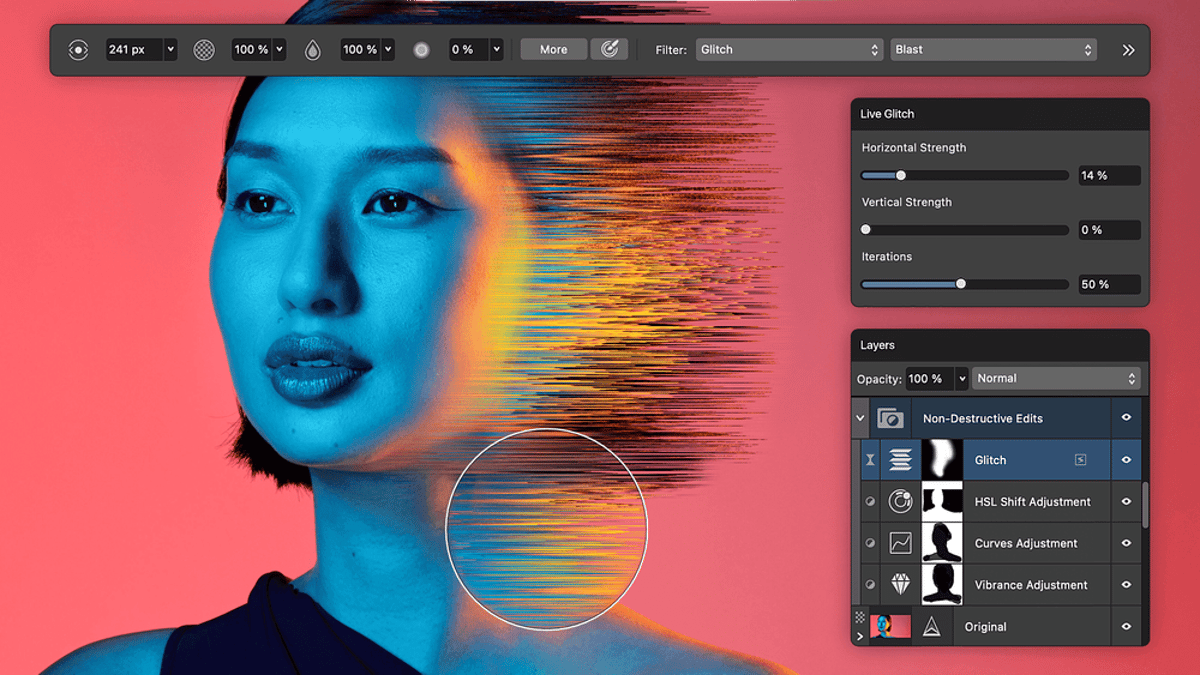
Canva just fired the most devastating shot yet at Adobe's subscription empire. The design giant relaunched its acquired Affinity creative suite as a completely free all-in-one platform, combining photo editing, vector illustration, and page layouts into a single app that requires zero ongoing payments. It's available now on Windows and Mac, with iPad coming soon.
Canva just delivered the creative software industry's biggest disruption since Adobe killed perpetual licenses. After acquiring Serif and its beloved Affinity suite last year, the Australian design platform has relaunched Affinity as a completely free all-in-one app that combines photo editing, vector illustration, and desktop publishing without any subscription fees.
The timing couldn't be more strategic. While Adobe continues pushing its $60-per-month Creative Cloud subscriptions, Canva is betting that "free forever" will resonate with frustrated designers who've been seeking alternatives to Adobe's pricing model. The new Affinity platform launches today on Windows and Mac, with an iPad version promised for the future.
What makes this particularly bold is how Canva has restructured the entire Affinity experience. Instead of three separate $70 apps - Designer, Photo, and Publisher - users now get everything bundled into one interface with what Canva calls "one universal file type." The integration runs deeper than just combining tools; Canva Premium subscribers can access AI-powered features like image generation, photo cleanup, and instant copy generation directly within Affinity.
The market reaction has been immediate. Creative professionals who were initially skeptical about Canva's acquisition are now grappling with a free alternative that matches Adobe's core functionality. For context, Adobe's Photoshop, Illustrator, and InDesign combo costs $720 annually - making Affinity's zero-cost approach a potential game-changer for budget-conscious creators and small studios.
But there's complexity beneath the surface. Existing Affinity users who paid for the standalone V2 editions can continue using their software, and they won't be forced onto the new platform. However, Canva quietly pulled those V2 apps from the Affinity website several weeks ago, and the company hasn't clarified whether existing users will receive ongoing support updates. This creates uncertainty for the loyal user base that originally chose Affinity specifically to avoid subscription models.
The strategic implications extend far beyond pricing. Canva's move transforms Affinity from an Adobe competitor into a potential Adobe killer, especially for users who don't need the most advanced professional features. By making the barrier to entry zero, Canva can capture market share from both Adobe defectors and newcomers who might have been priced out of professional design software entirely.
What's particularly clever is how Canva has addressed the subscription concerns that emerged during the acquisition. The company is repeatedly emphasizing the "free forever" promise, clearly attempting to differentiate itself from its own freemium model that locks premium features behind paywalls. Yet the AI integrations represent a potential friction point - many traditional designers remain skeptical of AI-generated content and may view these features as unwelcome additions to their workflow.
The competitive landscape just shifted dramatically. Adobe's response will be crucial, especially as the company faces increasing scrutiny over its subscription pricing and recent AI controversies. Smaller competitors like Sketch, Figma (now owned by Adobe), and newer players like Pixelmator Pro will need to reassess their positioning against a suddenly free professional-grade alternative.
For Canva, this represents the culmination of a longer strategy to move beyond simple social media graphics into serious creative software. The company's $40 billion valuation suddenly makes more sense when viewed through the lens of potentially capturing Adobe's $20+ billion creative software market.
Canva's free Affinity relaunch represents more than just another software update - it's a direct assault on Adobe's subscription-dependent business model. By eliminating cost barriers while maintaining professional-grade capabilities, Canva is positioning itself to capture both budget-conscious creators and Adobe-fatigued professionals. The real test will be whether the platform can maintain its "free forever" promise while scaling to compete with Adobe's advanced features, and how existing Affinity users adapt to this dramatic shift in their beloved software's direction.