Europe's bid for digital sovereignty just ran headfirst into the open-source community's ideological fault lines. Euro-Office 1.0, a new cloud-based alternative to Microsoft 365 and Google Workspace, launched today to immediate backlash from LibreOffice supporters who argue its reliance on Microsoft document formats undermines the entire point of the project. The conflict exposes a deeper rift in the open-source world: should European software prioritize practical compatibility or ideological purity?
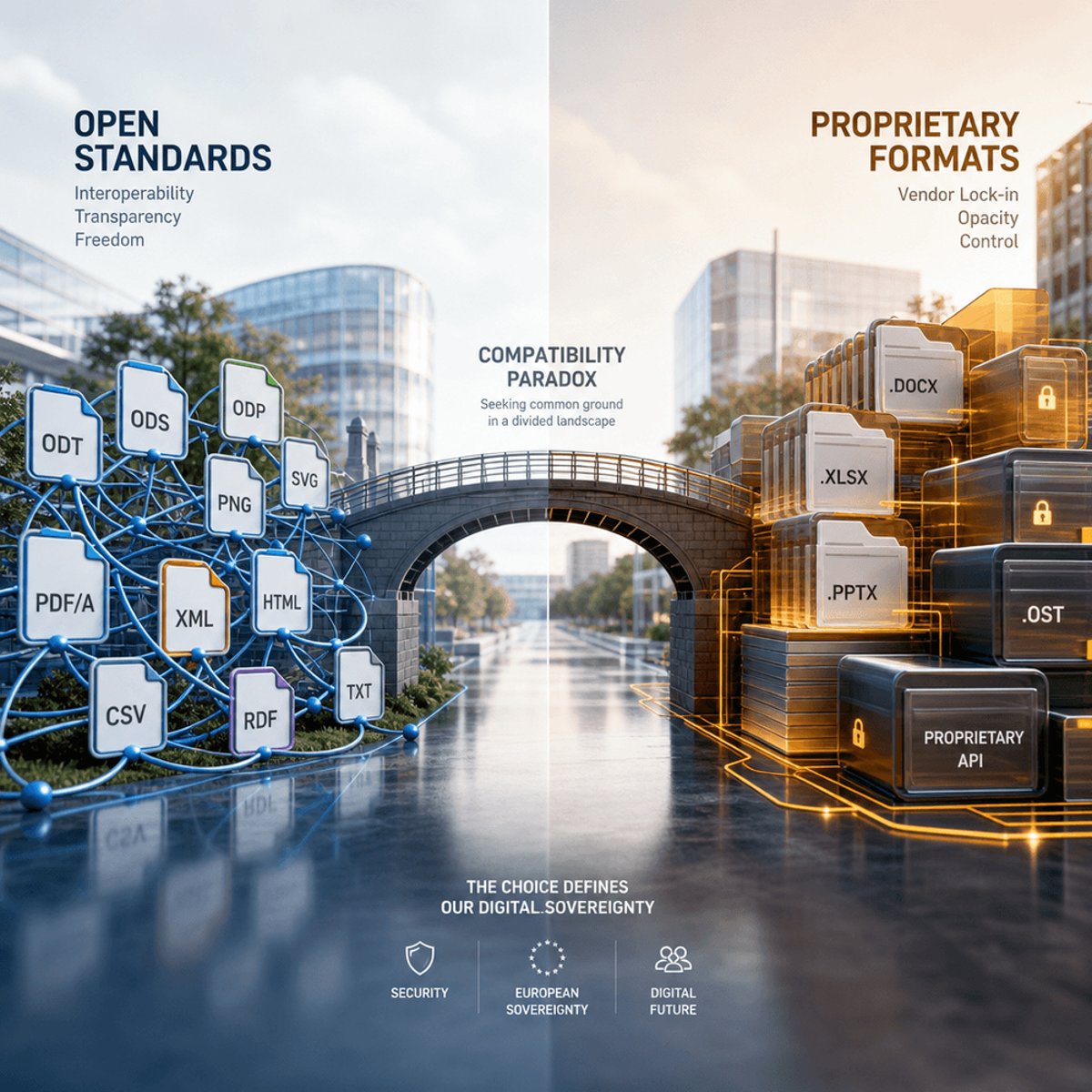
Euro-Office 1.0 is live, but the celebration is muted. The new cloud-based productivity suite, designed as Europe's answer to Microsoft 365 and Google Workspace, is already facing fierce criticism from the very open-source community it was supposed to unite. At the heart of the controversy: Euro-Office's decision to prioritize compatibility with Microsoft's proprietary document formats over open standards like ODF (Open Document Format).
LibreOffice advocates are calling it a betrayal of open-source principles. "Compatibility is not sovereignty," one prominent developer wrote in response to the launch, according to ZDNet's coverage. The criticism reflects a fundamental divide over what European digital independence should actually mean. Should it prioritize seamless migration paths for organizations currently locked into Microsoft ecosystems, or should it take a harder line on truly open standards even if that creates short-term friction?
The Euro-Office team made a calculated bet on pragmatism. By ensuring their suite can flawlessly open, edit, and save files in Microsoft's .docx, .xlsx, and .pptx formats, they're trying to lower the barrier for European government agencies and enterprises to switch away from Redmond. It's the same strategy that's helped LibreOffice gain adoption in some European public sector organizations - but LibreOffice also maintains strong ODF support as its native format.
What Euro-Office appears to have done differently is make Microsoft formats the default, relegating open standards to a secondary option. For the LibreOffice community, that's not just a technical choice but a philosophical surrender. These advocates argue that true digital sovereignty requires building infrastructure around genuinely open standards that no single company controls. Defaulting to Microsoft formats, they contend, keeps European organizations dependent on Microsoft's specification decisions and potential format changes.
The timing of this conflict is significant. European governments have been increasingly vocal about reducing dependence on American tech platforms, with several countries mandating open-source software for public institutions. Germany's federal government has been gradually migrating to LibreOffice, while France has long championed open-source alternatives in education and administration. Euro-Office was supposed to accelerate these efforts by offering a modern, cloud-native option that matches the user experience of Microsoft 365.
But if the open-source community fragments over format philosophy, the real winner might be Microsoft itself. Organizations considering a switch could decide the migration risk isn't worth the infighting and political complexity. Microsoft has spent years improving Office 365's compliance with European data regulations and localizing infrastructure - making the status quo increasingly defensible.
The format debate also reveals how difficult it is to build truly competitive alternatives to entrenched platforms. Microsoft's formats have become de facto standards through decades of market dominance, even though they're not officially open. Any European alternative that can't handle these formats seamlessly will struggle with adoption, but one that embraces them too fully risks perpetuating the dependency it's meant to break.
Euro-Office's developers haven't publicly responded to the LibreOffice community's criticism yet, and details about the project's funding sources and governance structure remain unclear. What is clear is that Europe's path to digital sovereignty is proving more complicated than simply building open-source alternatives. The technical work is achievable - the political and philosophical alignment may be harder.
Euro-Office's launch was supposed to be a milestone in Europe's digital independence movement. Instead, it's become a flashpoint for the open-source community's long-simmering debate over purity versus pragmatism. Whether the project can bridge this divide or becomes another cautionary tale about the difficulty of unseating tech incumbents will depend largely on how its developers respond to this early criticism - and whether they can demonstrate that Microsoft format compatibility is a bridge to openness rather than a capitulation to it. For now, the biggest beneficiary of this infighting is probably Microsoft, watching European alternatives squabble while Office 365 renewals keep rolling in.