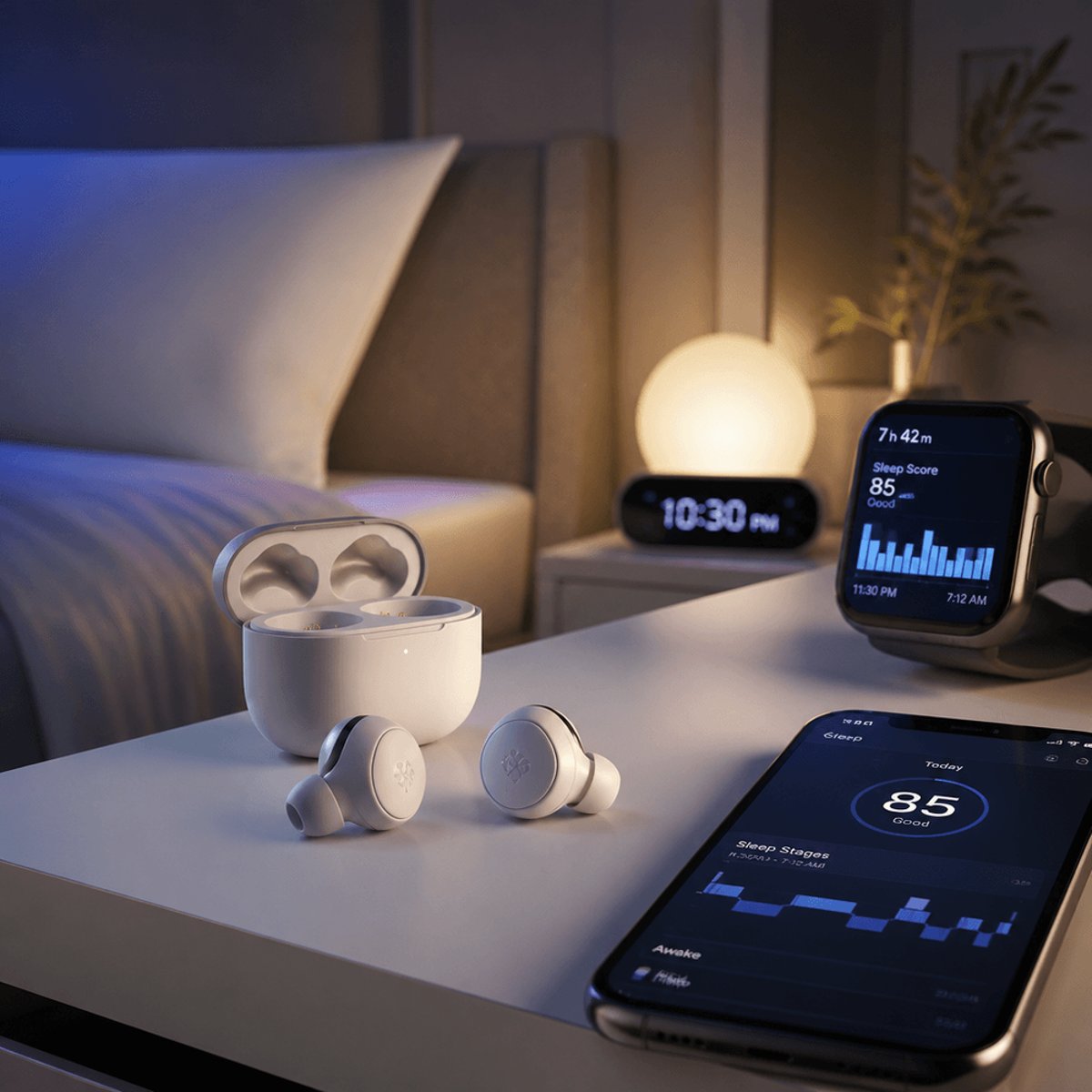
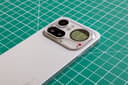
A startup born from Bose's discontinued dreams just doubled down on the sleep tech market. Ozlo launched Sleepbuds 2 today, bringing extended battery life, upgraded connectivity, and enhanced audio to a product category that the audio giant Bose famously abandoned in 2020. The move signals growing confidence in a niche that once seemed too small even for established players, as consumers increasingly prioritize sleep optimization tech.
Ozlo is betting that the market Bose walked away from is finally ready for prime time. The startup's Sleepbuds 2, announced today by TechCrunch, pack meaningful hardware upgrades into a product category that didn't exist before Bose invented it, then promptly killed it.
The second-generation earbuds address the core complaints that plagued the original: battery life gets a significant boost, connectivity issues that frustrated early adopters have been ironed out, and audio quality has been enhanced beyond simple white noise masking. For a startup carrying the torch of a discontinued Bose product line, these aren't just iterative improvements - they're survival necessities.
Bose's retreat from sleep earbuds in 2020 wasn't quiet. The company cited battery performance issues and customer complaints as reasons for discontinuing the Sleepbuds II, offering full refunds to buyers. That created a vacuum in a market Bose had proven existed but couldn't quite crack. Ozlo emerged from that exact moment, founded by former Bose engineers who believed the concept deserved another shot.
The timing might finally be right. Sleep tech has exploded from a wellness curiosity into a legitimate consumer category, with the global sleep aids market projected to hit $114 billion by 2030 according to industry research. Wearables from Apple and Samsung now track sleep metrics as core features, and consumers have shown they'll pay premium prices for better rest.
What makes Ozlo's approach different is the singular focus. While Apple Watch and Samsung Galaxy Watch track sleep as one feature among dozens, Sleepbuds 2 exist only to improve what happens between bedtime and morning. That specialization lets the startup optimize for comfort during side-sleeping, minimize bulk, and extend battery life specifically for overnight use - things general-purpose earbuds can't prioritize.
The enhanced audio capabilities matter more than they might seem. Early sleep earbuds could mask snoring or street noise, but the experience felt clinical. Better audio quality means more nuanced soundscapes, which sleep researchers increasingly link to improved sleep onset and quality. Ozlo hasn't disclosed exact technical specs yet, but the company emphasizes its new sleep-specific features alongside the hardware upgrades.
For a hardware startup, this launch represents a critical test. Building on someone else's abandoned product means you're solving known problems, but it also means you're betting against the judgment of a company with far more resources. Bose couldn't make the unit economics work. Ozlo has to prove it can, without Bose's brand recognition or retail footprint.
The startup faces competition from an unexpected direction, too. Companies like Bose rival Sony haven't released dedicated sleep earbuds, but their noise-canceling technology keeps improving. And a wave of cheaper alternatives has flooded Amazon, offering basic sleep masking at a fraction of premium pricing. Ozlo needs to convince consumers that dedicated sleep earbuds justify the investment when alternatives exist at both ends of the market.
What the company has going for it is proof of concept. The original Ozlo Sleepbuds, which essentially continued where Bose left off, found an audience willing to pay for purpose-built sleep hardware. The question for Sleepbuds 2 is whether that audience is big enough to sustain a standalone hardware company, or whether sleep earbuds will remain a niche within the larger wearables category.
The broader trend works in Ozlo's favor. Venture funding for sleep tech startups hit record levels in recent years as investors recognize sleep's connection to productivity, health outcomes, and quality of life. If Ozlo can demonstrate traction with Sleepbuds 2, it positions the company for either sustainable growth or an attractive acquisition target for a bigger player reentering the space.
Ozlo's Sleepbuds 2 represent more than a product refresh - they're a referendum on whether specialized sleep hardware can thrive in a market dominated by multi-function devices. By addressing the technical shortcomings that sank Bose's original vision and launching into a consumer landscape that's far more sleep-conscious than it was in 2020, Ozlo has its best shot yet at proving dedicated sleep earbuds deserve shelf space. Whether that translates to sustainable business remains the ultimate test, but for now, the startup is making a credible case that Bose gave up too soon.