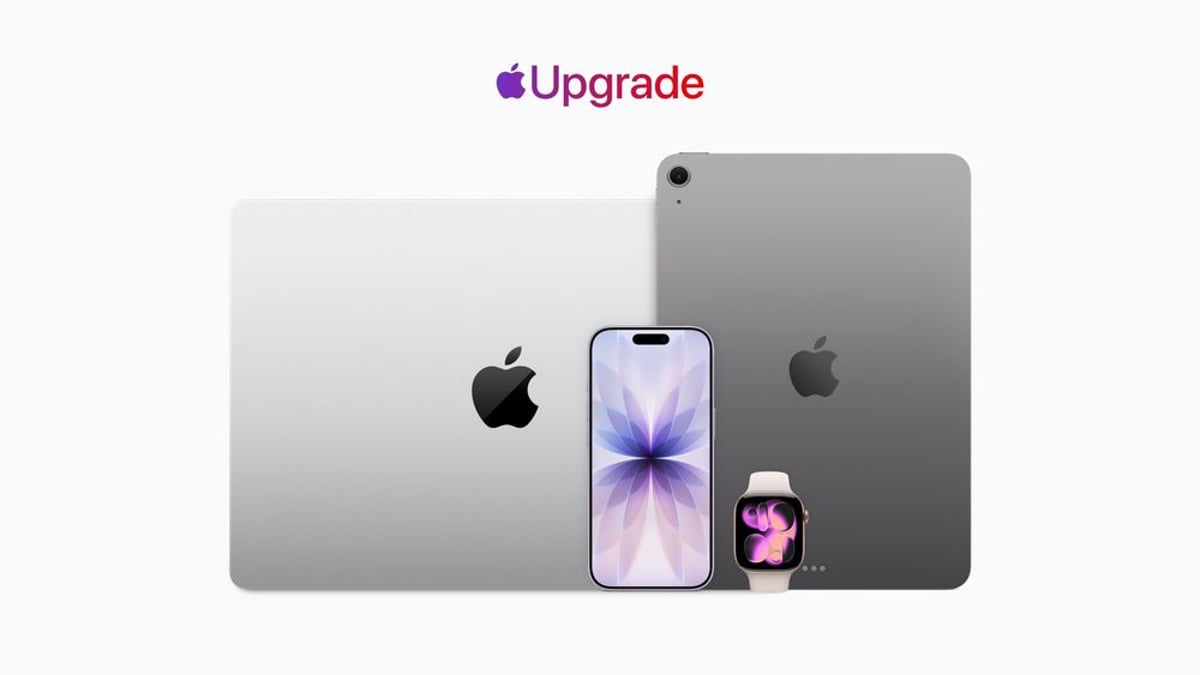
Apple just rolled out Apple Upgrade, a new leasing program that lets US customers access the latest iPhones, Macs, iPads, and Apple Watches through car-style subscription payments. The timing is strategic - coming just weeks after the company raised prices across its MacBook and iPad lines due to ongoing memory and storage shortages. Users can keep devices after their lease ends, pay them off early, or swap for newer models, giving Apple a fresh revenue stream right when hardware costs are climbing.
Apple is making a calculated bet on subscription economics. The company officially launched Apple Upgrade today, a leasing program that mirrors the automotive industry's playbook - monthly payments, flexible upgrade options, and the choice to buy out or trade in at lease end. The program covers the iPhone, Mac, iPad, and Apple Watch lineup, starting with US customers.
The announcement from Apple's newsroom positions this as convenience, but the timing tells a different story. Just weeks ago, Apple raised prices across its MacBook and iPad lines, citing persistent memory and storage component shortages. While iPhones dodged the increase, CEO Tim Cook warned last month that "the situation has evolved" - code for ongoing supply chain pressure.
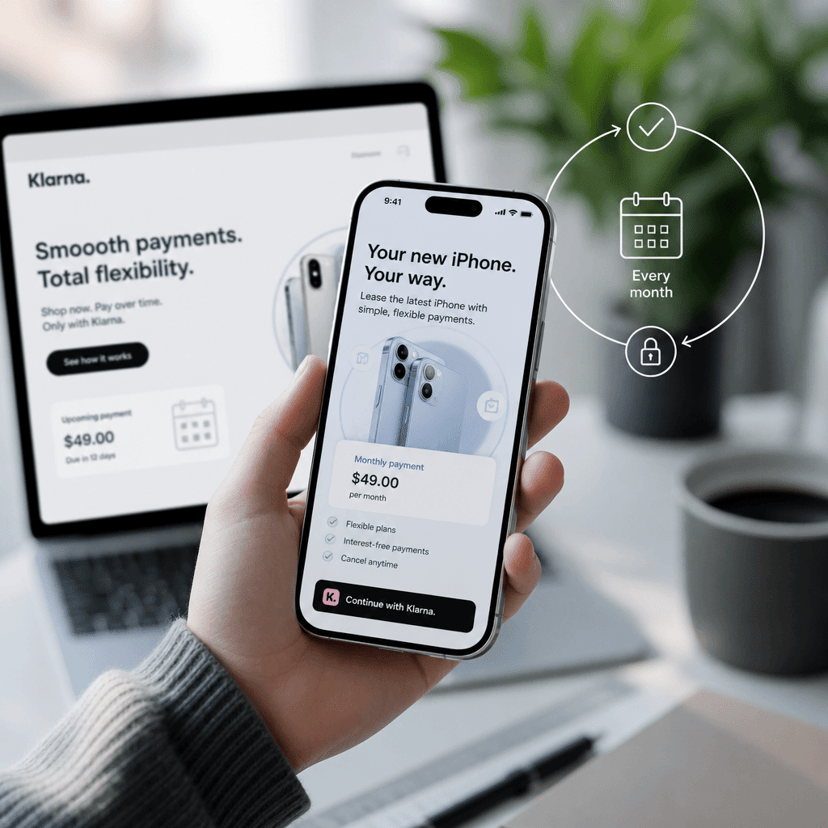
Apple Upgrade works exactly like leasing a car. Customers make monthly payments for a set term, then decide whether to keep the device by paying the residual value, return it and upgrade to the latest model, or pay it off early. It's a model that locks customers into the Apple ecosystem while smoothing out the sticker shock of a $1,200 iPhone or $2,500 MacBook Pro.
The program also signals Apple's response to a market reality - people are holding onto devices longer. Smartphone upgrade cycles have stretched from two years to nearly three, according to industry analysts. When a new MacBook costs 15% more than it did six months ago, that hesitation only grows. Leasing transforms a $2,000 barrier into a $85 monthly decision.
Apple already operates the iPhone Upgrade Program, launched back in 2015, which lets customers get a new iPhone annually with AppleCare+ bundled in. But Apple Upgrade expands that playbook across the entire hardware portfolio. It's not just about iPhones anymore - it's about locking in recurring revenue from Macs, iPads, and Watches too.
The competitive landscape is shifting. Samsung has experimented with device leasing in select markets. Microsoft offers Surface subscriptions for enterprise customers. But Apple's move is more aggressive - a consumer-facing program that turns hardware into a service layer, much like Apple Music or iCloud storage.
Financially, this could be transformative. Apple's services division already generates over $85 billion annually. Adding hardware leasing revenue creates a predictable, recurring stream that Wall Street loves. It also gives Apple more control over the secondary device market - instead of customers selling old iPhones on eBay, Apple gets them back, refurbishes them, and redeploys them through certified reseller programs.
There's a risk calculation here too. Leasing means Apple retains ownership risk - depreciation, damage, and default all land on the company's balance sheet. But Apple's ecosystem stickiness is legendary. Once someone's paying monthly for an iPhone, a MacBook, an iPad, Apple Music, iCloud, and Apple TV+, switching becomes financially painful.
The supply chain context matters. By converting customers to leasing, Apple smooths demand volatility. Instead of spiky iPhone launch quarters followed by slower months, leasing creates steady device flow. That predictability is valuable when negotiating with memory suppliers or TSMC for chip production capacity.
Apple Upgrade also sets up a direct challenge to carrier financing programs, which have dominated iPhone sales for years. AT&T, Verizon, and T-Mobile all offer device payment plans tied to service contracts. Apple's leasing program cuts them out, bringing that relationship - and data - directly to Cupertino.
What's conspicuously missing from the announcement? Pricing. Apple hasn't disclosed lease rates, terms, or residual calculations. That suggests the company is still testing market response and may adjust terms based on demand. It also gives Apple flexibility to offer promotional rates or bundle leasing with Apple One subscriptions.
Industry watchers expect this to roll out internationally if US uptake is strong. Markets like Europe and Asia, where device financing is common but fragmented, could be next. The model also works well in regions where upfront device costs are prohibitive but monthly payments fit consumer budgets.
Apple Upgrade is less about customer convenience and more about revenue engineering. By converting hardware sales into recurring subscriptions, Apple insulates itself from upgrade cycle slowdowns and price sensitivity while tightening ecosystem lock-in. The real test is whether customers see monthly flexibility as worth giving up ownership - and whether carriers push back as Apple erodes their device financing turf. If this works, expect every major hardware maker to follow with their own lease programs within a year.