Apple is gearing up to launch its long-rumored smart home display as soon as October, according to a new report from Bloomberg's Mark Gurman. Dubbed the 'HomePad' in industry circles, the device would mark Apple's first major push into the voice-assistant display market dominated by Amazon's Echo Show and Google's Nest Hub. The timing signals Apple's bet that its revamped Siri AI can finally make the smart home hub category work for the iPhone maker.
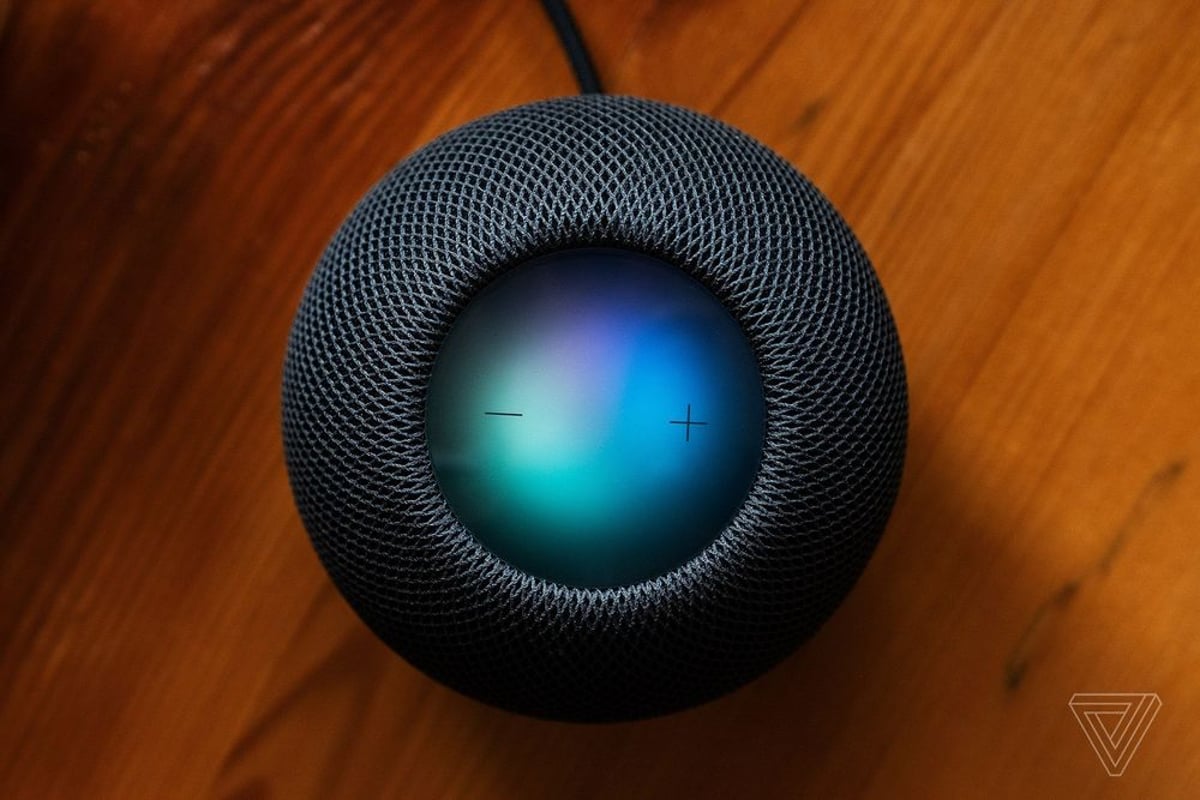
Apple is finally ready to put a screen on its HomePod. After years of speculation and false starts, the company is targeting an October launch for its smart home display, according to Bloomberg's Mark Gurman. The move would bring Apple into direct competition with Amazon's Echo Show lineup and Google's Nest Hub devices, a category the iPhone maker has watched from the sidelines for nearly a decade.
The hardware specs suggest Apple isn't going for the budget end of the market. Gurman's report describes a 7-inch square display - an unusual form factor that breaks from the rectangular screens favored by competitors. More interesting is what's under the hood: a brand-new operating system built on Apple's tvOS foundation, featuring grids of icons, widgets, and apps that'll feel familiar to anyone who's used an iPhone or Apple Watch.
But the real story here is Siri. Apple is reportedly centering the entire experience around its revamped AI assistant, which the company has been rebuilding from the ground up. That's a bold bet considering Siri's reputation has taken a beating compared to rivals like Amazon's Alexa and Google Assistant. The company clearly believes its AI overhaul - part of the broader Apple Intelligence push - is ready for prime time.
The device will reportedly handle the usual smart home hub duties: video chat, security camera monitoring, smart home control, and media playback. Nothing groundbreaking there, but Apple's advantage has never been about inventing categories - it's about integration. A home hub that seamlessly connects with iPhones, iPads, Macs, and the broader HomeKit ecosystem could be compelling for users already deep in Apple's world.
Timing matters here. Amazon launched the first Echo Show back in 2017, giving it nearly a decade head start. Google's Nest Hub arrived in 2018. Both companies have iterated multiple times, figured out pricing strategies, and learned what customers actually want from these devices. Apple's late arrival means it needs to nail the execution right out of the gate.
The smart home display market has had mixed success. While millions of units have shipped, the category never quite exploded the way voice-only smart speakers did. Many devices end up as glorified kitchen timers and weather checkers. Apple will need to prove it can deliver use cases compelling enough to justify what will likely be a premium price tag.
What makes this launch potentially different is the AI angle. Both Amazon and Google are retrofitting their existing devices with more advanced AI capabilities. Apple gets to build AI-first from the ground up, potentially offering a more coherent experience. The question is whether consumers care enough about smart home hubs in 2026 to embrace a new entrant, even one from Apple.
The October timeframe would put the launch in Apple's typical fall hardware season, likely alongside new iPhones and possibly updated iPads. That positioning makes sense - announce it at a September event, ship it in October, and push hard for holiday sales. The smart home category sees significant gifting activity, making Q4 timing strategic.
One detail Gurman's report doesn't address: pricing. Apple's HomePod Mini starts at $99, while the discontinued full-size HomePod was $299. The new display will likely slot somewhere in that range or above, competing against Amazon Echo Shows that range from $90 to $250 and Google Nest Hubs priced between $100 and $230. Apple rarely competes on price, but the gap can't be too wide in a category where consumers have proven price-sensitive.
The broader context matters too. Apple has struggled to gain meaningful smart home market share despite years of HomeKit development. The platform works well but supports fewer devices than competitors. A flagship hub device could serve as a rallying point for both consumers and accessory makers, potentially reinvigorating Apple's smart home ambitions.
There's also the matter of Apple's retail advantage. While Amazon dominates online sales and Google has broad retail distribution, Apple's stores offer a demo environment competitors can't match. Seeing the device working seamlessly with other Apple hardware in a retail setting could prove persuasive for fence-sitters.
Apple's rumored October launch puts the company in a challenging position - entering a mature market late with a premium product, betting that ecosystem integration and AI smarts can overcome established competitors. The real test won't be whether Apple can build a good smart home display, but whether it can convince consumers they need an Apple-branded one when cheaper alternatives already sit in millions of kitchens and bedrooms. If the revamped Siri delivers on its promise and the device truly feels like it belongs in Apple's ecosystem, it could carve out a profitable niche. But if it's just another screen running apps, even Apple's brand power might not be enough to disrupt a market where Amazon and Google have comfortable leads.