Quantum Space is betting that SPACs aren't dead yet. The defense-focused space startup just announced a $1.2 billion SPAC deal to build military spacecraft, timing its move to ride the wave of renewed investor appetite for space companies following SpaceX's blockbuster IPO momentum. While most space SPACs crashed spectacularly in 2021-2023, Quantum Space thinks the market's ready for round two - if you're focused on government contracts instead of consumer dreams.
Quantum Space is making a contrarian bet that the SPAC market isn't as dead as everyone thinks - at least not for companies building hardware the Pentagon wants to buy.
The Maryland-based space startup announced it's pursuing a $1.2 billion SPAC merger to fund development of military spacecraft, a move that comes as SpaceX's recent public market performance has rekindled investor interest in the space sector. But this isn't 2021's space SPAC mania redux. Quantum Space is taking a notably different approach than the consumer-focused ventures that flamed out spectacularly.
The company's pitch centers on military and government contracts rather than speculative commercial markets. It's a strategic pivot from the last SPAC wave, when companies like Virgin Galactic and Astra promised revolutionary space tourism and affordable satellite launches, only to watch their stock prices crater as technical challenges mounted and cash burned through.
"We've been preparing for this moment since we saw how the first generation of space SPACs struggled," sources familiar with the deal told TechCrunch. The admission reflects how dramatically the investment landscape has shifted. Back in 2021, space companies could go public on promises alone. Now they need government purchase orders.
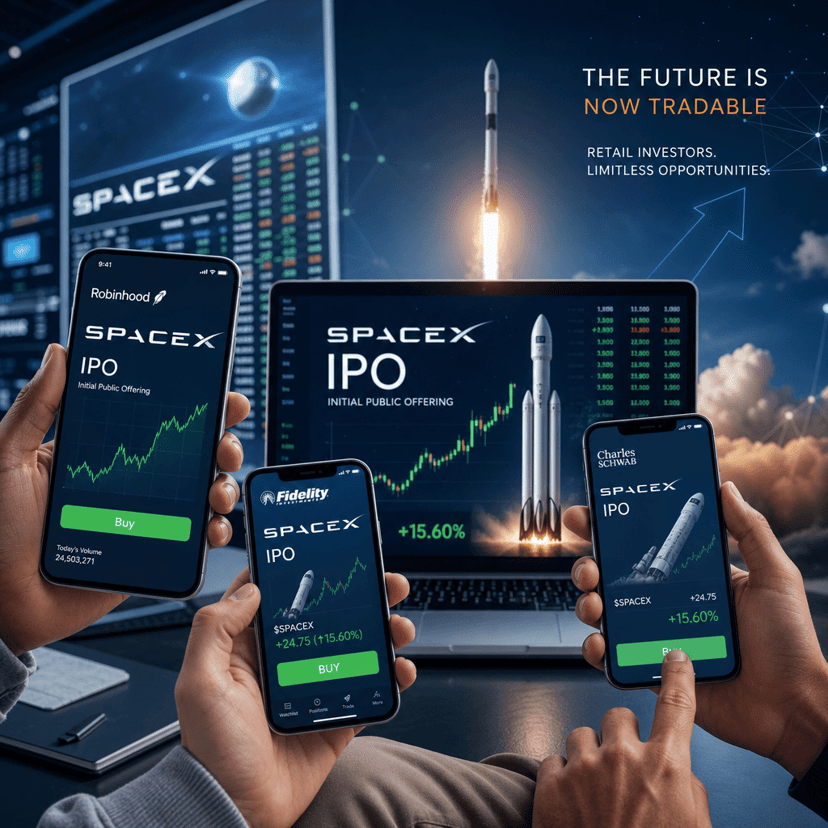
Quantum Space's timing isn't coincidental. SpaceX's successful transition to public markets has created a halo effect across the sector, with investors suddenly willing to reconsider space investments they'd written off as toxic just months ago. The difference is that SpaceX came to market with proven revenue, operational spacecraft, and a dominant market position. Quantum Space will need to convince investors it can follow a similar trajectory.
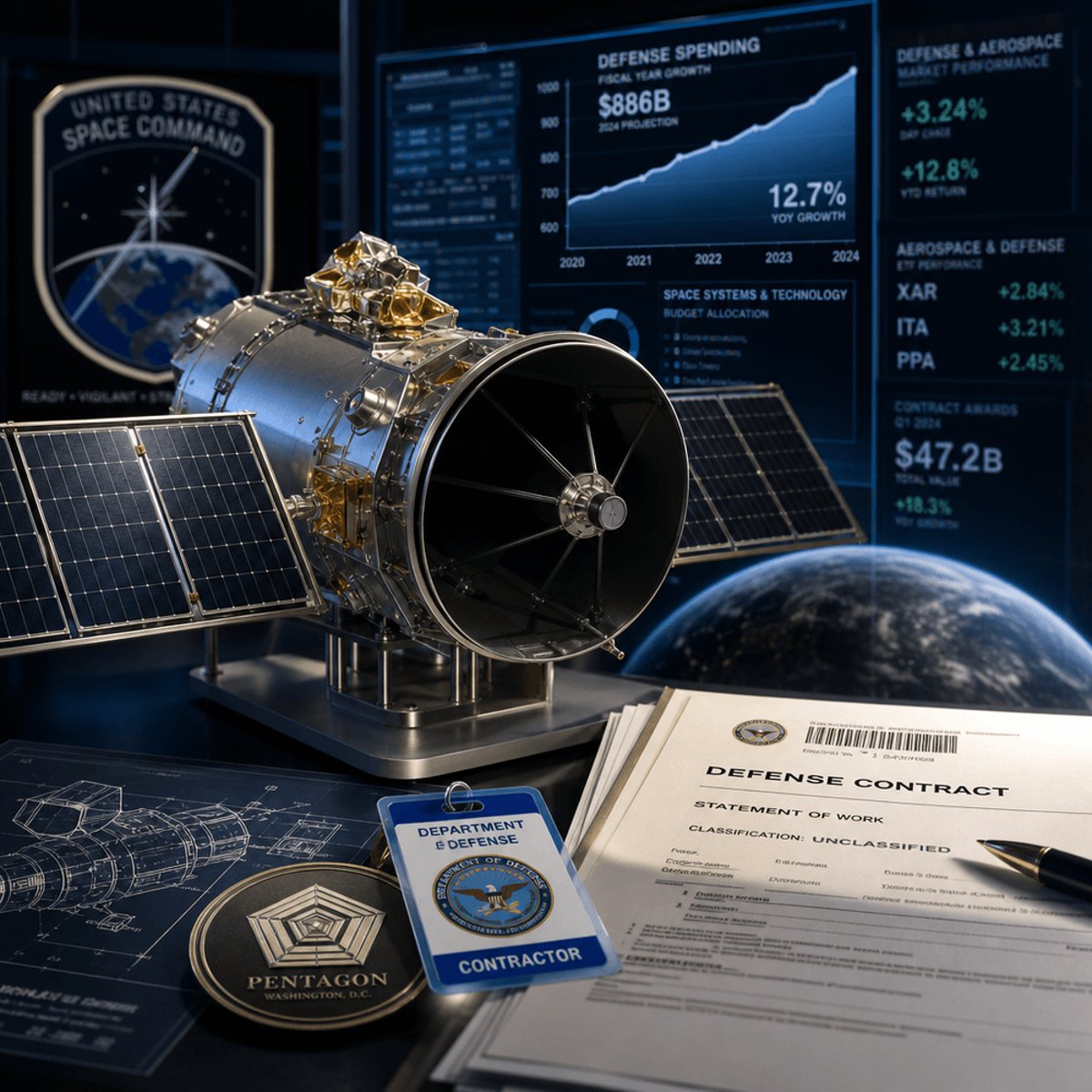
The company's focus on military applications gives it a potential edge. Defense spending on space capabilities has surged as China and Russia expand their orbital operations. The Pentagon is actively seeking new suppliers beyond traditional contractors, creating an opening for startups that can deliver capabilities faster and cheaper than legacy aerospace giants.
But SPACs remain controversial. The investment vehicle allows companies to go public through mergers with shell companies, bypassing traditional IPO scrutiny. After the 2021-2023 crash, regulators tightened rules and investors grew skeptical. More than a dozen space SPACs now trade below $2 per share, with some facing delisting.
Quantum Space hasn't disclosed which SPAC it's merging with or provided detailed financial projections. That lack of transparency echoes concerns from the last cycle, when companies made aggressive revenue forecasts that proved wildly optimistic. Investors burned by those promises will demand more concrete evidence this time.
The $1.2 billion valuation also raises questions. It's substantial for a company that hasn't publicly disclosed launched spacecraft or operational revenue. By comparison, many military space contractors trade at more modest valuations relative to their contract pipelines. Quantum Space will need to demonstrate significant government commitments to justify that price tag.
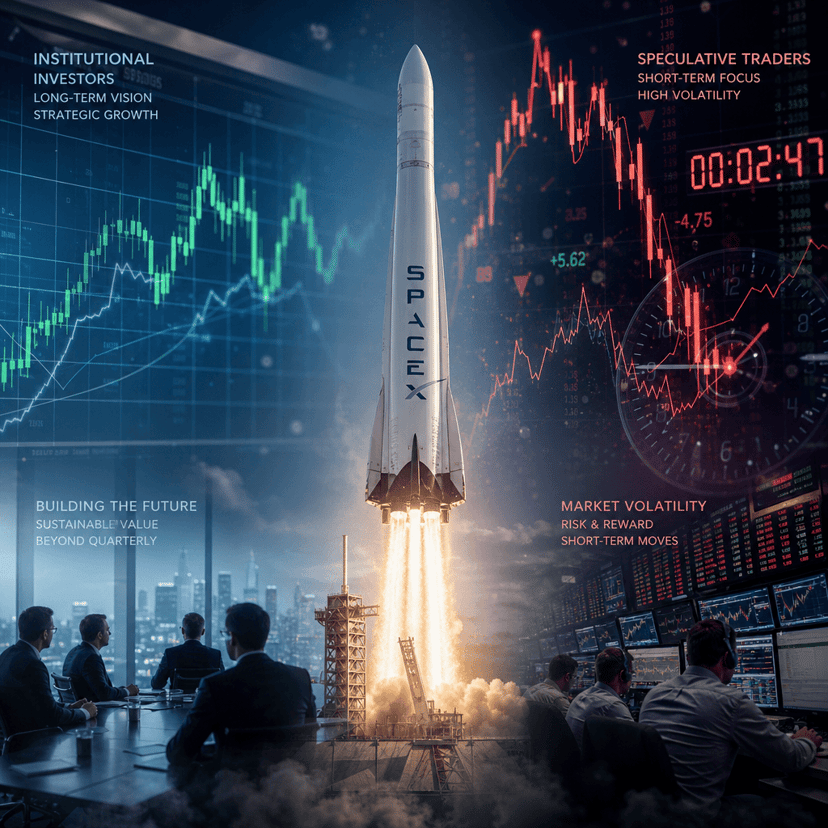
Still, the deal represents a test case for whether SPACs can work for space companies under the right conditions. If Quantum Space succeeds by focusing on defense contracts and realistic milestones, it could reopen public markets for other space startups. If it stumbles like its predecessors, it may cement the perception that space SPACs were a one-time bubble that won't reinflate.
The company faces execution risks beyond market sentiment. Building military spacecraft requires navigating complex security clearances, rigid specifications, and lengthy procurement cycles. Even with contracts in hand, delays are common and cost overruns frequent. Public market investors have limited patience for either.
What happens next will depend partly on factors beyond Quantum Space's control. If SpaceX continues performing well as a public company, it will keep space in favor with investors. If broader market conditions deteriorate or defense budgets face cuts, even solid execution might not save the deal.
Quantum Space's $1.2 billion SPAC gambit will test whether the investment vehicle can work for space companies if they focus on government revenue instead of speculative markets. The company's timing capitalizes on renewed sector enthusiasm from SpaceX's success, but investors who lost billions on previous space SPACs will scrutinize every claim. If Quantum Space delivers on its military contracts and avoids the execution stumbles that killed its predecessors, it could crack open public markets for defense-focused space startups. If it doesn't, the SPAC door may close permanently for the sector. Either way, the deal marks a pivotal moment for how space companies access growth capital in a post-bubble world.