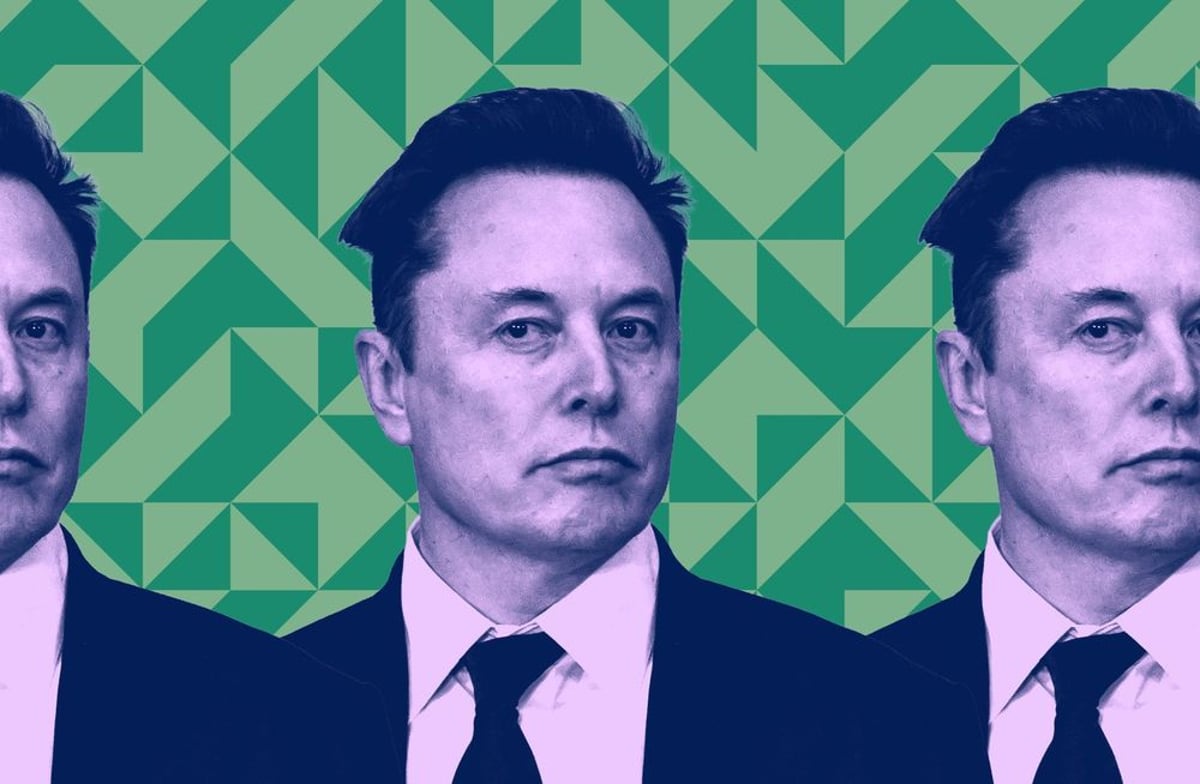
Elon Musk just handed SpaceX investors a massive red flag days before the company's historic IPO. The Tesla and X owner publicly endorsed a hard-right UK political party advocating mass deportations while Belfast burns with anti-immigration riots. His "This is the way" co-sign of inflammatory posts calling migrants "dangerous third world savages" comes as he's poised to become the world's first trillionaire through SpaceX's public debut. Wall Street analysts are now scrambling to assess the reputational damage to what was supposed to be 2026's cleanest IPO story.
Elon Musk's timing couldn't be worse. Just as SpaceX prepares for what should be a triumphant public market debut, its CEO is fanning the flames of race riots across the Atlantic. On Monday, following a knife attack in Belfast, Musk threw his 200 million X followers behind Restore Britain, a fringe political party pushing for what its leader calls the forced removal of "a vast number of people" from the UK.
The posts tell the story. Musk reshared statements from Restore Britain leader Rupert Lowe that called for prosecuting officials "who knowingly placed dangerous third world savages in our communities," adding his now-signature "This is the way" endorsement. It's the kind of inflammatory rhetoric that would normally sink a CEO during a quiet quarter, but this is happening during the final countdown to SpaceX's transformation into a public company.
The contrast is stark. Musk is on track to become the world's first trillionaire largely through his SpaceX stake, which the IPO will finally let him monetize after years of private market constraints. Investment banks have spent months positioning this as a pure-play space infrastructure story, the rare chance for retail investors to own a piece of humanity's Mars ambitions. Now they're fielding panicked calls about whether the CEO's political activism constitutes a material risk factor.
This isn't Musk's first rodeo with controversy, but the IPO window changes everything. When you're private, you can weather almost any storm with patient long-term capital. Public markets are different beasts. Pension funds have diversity mandates. Index funds have ESG screens. Retail brokerages have compliance departments asking whether they want their brand associated with someone amplifying anti-immigration rhetoric during active civil unrest.
Tesla shareholders have already lived through this cycle multiple times. Musk's 2018 "funding secured" tweet cost him his chairman role and $20 million in SEC fines. His X takeover turned into a masterclass in advertiser flight, with major brands pulling spend after Musk's content moderation changes. But Tesla was already public when those storms hit, its shareholder base self-selected for Musk tolerance. SpaceX's incoming investors haven't made that choice yet.
The Belfast context makes this particularly combustible. Northern Ireland's fragile peace has held for decades, but immigration has become a flashpoint. Riots erupted Monday after a knife attack, with misinformation spreading rapidly on social media about the attacker's background. Rather than dampening tensions, Musk amplified the most extreme voices calling for collective punishment of immigrant communities. UK officials are watching closely, with some MPs already calling for investigations into X's role in spreading riot-related content.
For SpaceX's underwriters, this is a nightmare scenario. You can't just pull an IPO days before launch without massive reputational damage, but you also can't ignore a CEO actively courting controversy in a way that might violate hate speech laws in major markets. The company's S-1 filing will need to address "key person risk" around Musk, but generic boilerplate won't cut it when the key person is publicly endorsing political movements that most institutional investors find toxic.
The institutional reaction is already rolling in. Several ESG-focused funds that were sizing SpaceX allocations have quietly pulled back, according to sources familiar with the IPO process. They're not announcing it publicly, but they're telling underwriters that governance concerns outweigh the growth story. That's the kiss of death for IPO pricing power. When your anchor investors start getting squeamish, you either cut the price or risk a first-day pop that makes you look like you left money on the table.
Musk's defenders will point out that his political views haven't stopped Tesla from trading at premium valuations or SpaceX from dominating the launch market. That's true, but it misses the point. Those successes happened despite the distractions, not because of them. Every hour Musk spends on political Twitter feuds is an hour he's not optimizing Raptor engines or solving Starship's heat shield problems. For a company asking public investors to bet billions on its Mars timeline, that's a material concern.
The board's silence is deafening. SpaceX has some impressive names on its board, but they've consistently shown unwillingness to constrain Musk's behavior. That worked fine in the private markets, where investors explicitly bought into the "Elon will be Elon" risk. Public markets expect more. They want independent directors who'll actually push back when the CEO's antics threaten shareholder value. The Belfast episode proves SpaceX doesn't have that.
What happens next depends largely on how long this news cycle runs. If Musk moves on to the next controversy and Belfast fades from headlines, underwriters might be able to salvage the original IPO pricing. But if UK authorities launch investigations into X's role in the riots, or if advertiser boycotts spread to SpaceX through guilt by association, the calculus changes fast. Some analysts are already whispering about a possible postponement, though that would be unprecedented this close to launch.
SpaceX's IPO was supposed to be the easy win, the one Elon Musk company where the product spoke for itself and the CEO's antics stayed in the background. Those days are over. Musk's decision to wade into Belfast's riots with inflammatory endorsements has transformed a space infrastructure investment into a referendum on whether public market investors will tolerate a CEO who can't stop courting controversy. The rockets still work, the technology still leads the industry, but governance risk just became the headline. For incoming shareholders, that's not the story they signed up for, and it might not be the valuation they're willing to pay.