CNBC's Jim Cramer is raising red flags about the upcoming SpaceX IPO, warning that speculators looking for quick gains could destabilize the stock when it starts trading. The Mad Money host's caution comes as Elon Musk's rocket company prepares for what could be one of the most anticipated public offerings in recent history, with retail and institutional investors alike circling the launch.
SpaceX is heading toward one of the most watched IPOs in years, but CNBC's Jim Cramer just threw cold water on the hype. The veteran market commentator warned that speculators - investors looking to flip shares for quick profits - represent one of the biggest threats to the company's public market debut.
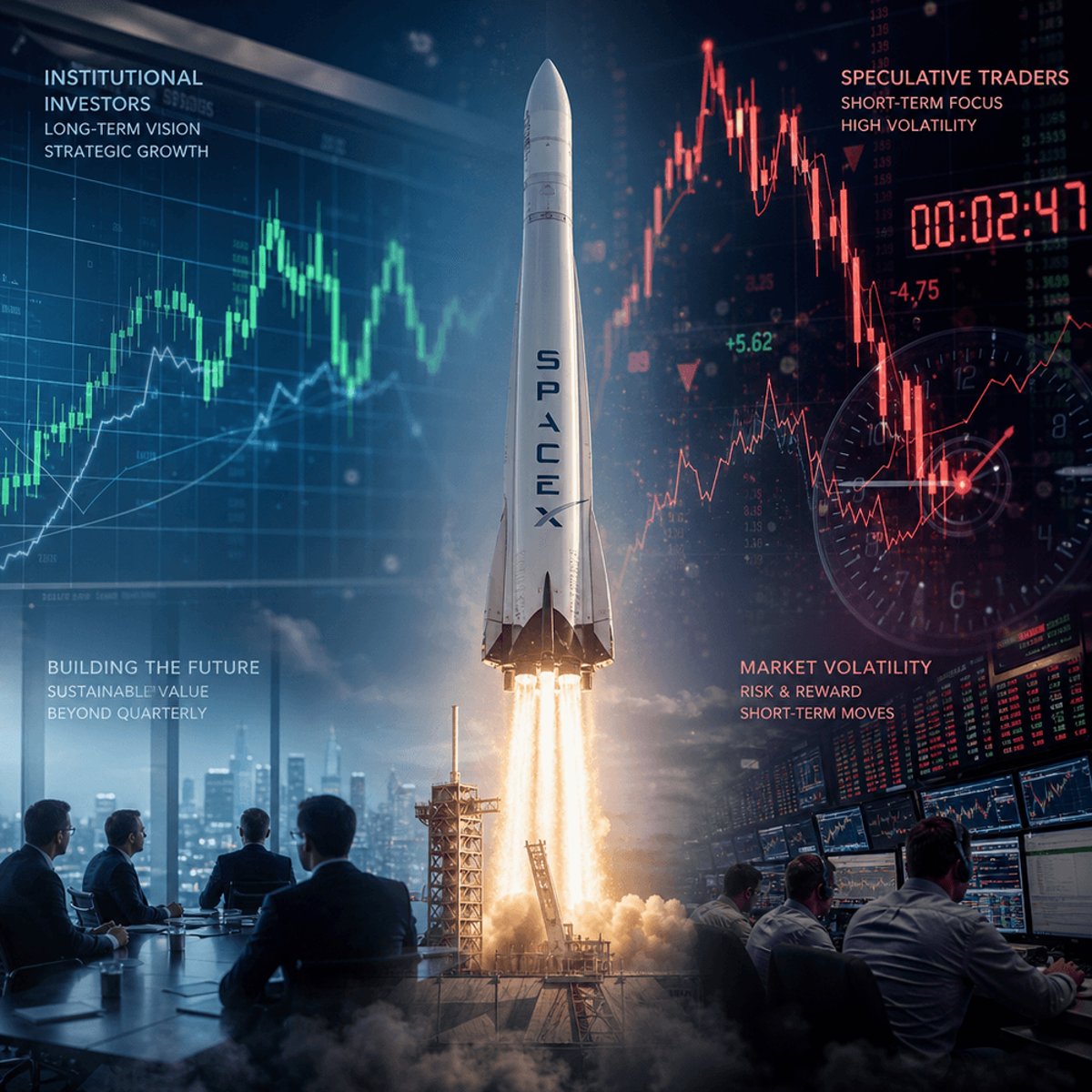
"One of the biggest risks facing the SpaceX IPO is speculators who may rush to sell shares shortly after the stock begins trading," Cramer told viewers on his show, according to CNBC. It's a stark reminder that even the most revolutionary companies aren't immune to the volatile dynamics of IPO day trading.
The concern isn't theoretical. High-profile IPOs over the past few years have seen wild first-day swings as retail traders pile in at the open, only to dump shares hours later. Companies like Robinhood and Coinbase experienced brutal selloffs in their early trading days, leaving long-term investors nursing losses and management teams scrambling to stabilize sentiment.
For SpaceX, the stakes are particularly high. Elon Musk's rocket company has spent nearly two decades building a vertically integrated space business that dominates commercial launch services, maintains NASA contracts worth billions, and is developing Starship for Mars colonization. The company's private valuation has soared past $200 billion in secondary markets, making it one of the most valuable startups ever.
But that astronomical valuation also creates expectations that may be impossible to meet on day one. If speculators flood in hoping to ride momentum, then bail when the initial pop fades, the resulting price action could spook institutional investors who were planning to build long-term positions. That kind of volatility can take months to stabilize, as we saw with other mega-IPOs.
Cramer's warning also highlights a broader tension in how companies go public today. The traditional IPO roadshow aimed to cultivate serious institutional buyers who'd hold shares for years. Now, with zero-commission trading apps and social media hype cycles, retail speculators can overwhelm that carefully laid groundwork in minutes. Tesla, Musk's other public company, has been a battleground stock for years between true believers and short-term traders.
Timing matters too. SpaceX's IPO would hit markets at a moment when space industry stocks have had mixed results. While defense contractors with space divisions trade steadily, pure-play space companies have struggled to maintain investor enthusiasm after initial bursts. The company will need to convince public markets that its revenue trajectory - powered by Starlink satellite internet and Falcon rocket launches - justifies a valuation that dwarfs traditional aerospace giants.
The speculation risk also raises questions about how SpaceX and its underwriters will structure the offering. Allocating more shares to long-term institutional investors could dampen volatility but might limit retail access, fueling accusations of favoritism. A broader retail distribution could democratize access but increases the flip risk Cramer highlighted.
What's clear is that SpaceX isn't just another tech IPO. It's a company that's reshaped an entire industry, pioneered reusable rockets, and built infrastructure that's critical to both commercial and government space operations. That legacy deserves a stable public market debut, not a speculative feeding frenzy.
Cramer's warning isn't about SpaceX's fundamentals - it's about the circus that surrounds high-profile IPOs in the social media age. If the company and its bankers can navigate the speculator minefield and build a stable shareholder base, the long-term story remains compelling. But the first few days of trading could test whether public markets are ready for a company this ambitious, or if short-term noise will drown out the signal. Investors watching the space industry just got a reminder that even rocket science can't escape the messy reality of market psychology.