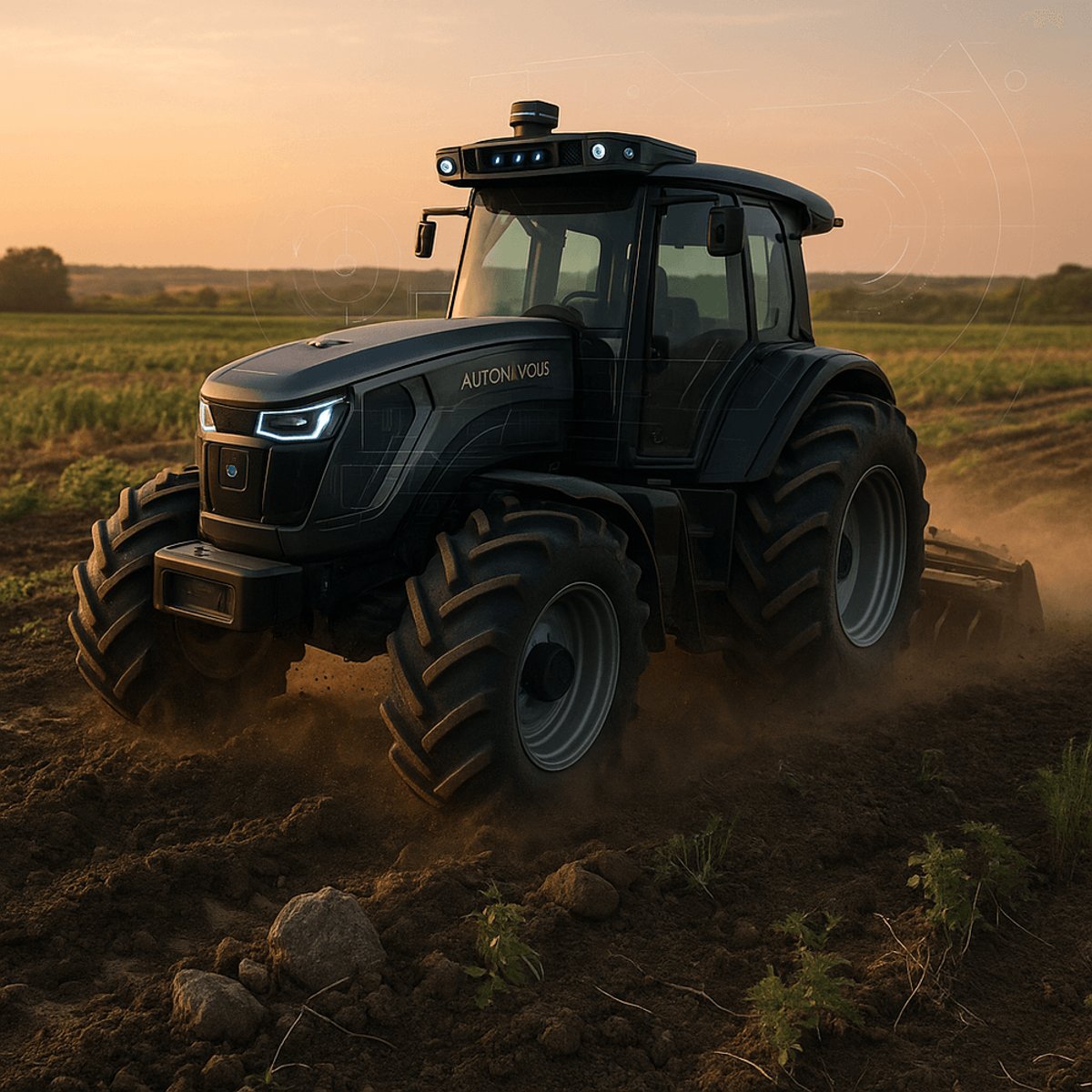
Caterpillar just scooped up the remains of Monarch Tractor, the once-promising autonomous electric tractor startup that imploded under mounting technical failures. The acquisition marks a dramatic end for a company that raised substantial venture funding to bring AI-powered farming equipment to market, but couldn't deliver working technology according to TechCrunch. Dealers, farmers, and even a co-founder had been sounding alarms about Monarch's underperforming tech for months before the collapse.
Monarch Tractor promised to revolutionize farming with autonomous electric tractors that could navigate fields without human intervention. Instead, the startup became the latest cautionary tale in AI-powered hardware, collapsing under the weight of technical failures before being acquired by heavy equipment giant Caterpillar.
The acquisition comes after months of internal turmoil at Monarch, where dealers and customers increasingly complained that the company's autonomous technology simply didn't function as advertised. According to sources familiar with the situation, farmers who purchased or leased the tractors reported frequent navigation errors, battery performance issues, and autonomous features that required constant human oversight - defeating the entire purpose of the product.
What makes the collapse particularly striking is that even Monarch's own co-founder joined the chorus of critics. Internal disputes over the viability of the technology created fractures in the leadership team, according to reports from TechCrunch. When your own co-founder questions whether the tech works, that's a red flag visible from orbit.
Monarch had positioned itself at the intersection of multiple hot trends - autonomous vehicles, electric transportation, and agricultural innovation. The startup raised significant venture funding on the promise of bringing Silicon Valley-style disruption to farming, an industry ripe for automation given labor shortages and rising operational costs. But building reliable autonomous hardware for unpredictable outdoor environments proved far more challenging than investor pitch decks suggested.
The technical challenges facing Monarch weren't trivial. Autonomous tractors need to navigate constantly changing terrain, distinguish crops from weeds, avoid obstacles ranging from rocks to wildlife, and operate reliably in dust, rain, and extreme temperatures. Unlike autonomous cars operating on mapped roads, agricultural robots face genuinely unpredictable conditions with zero margin for error. A software glitch that damages crops can bankrupt a farm.
Caterpillar's decision to acquire the struggling startup rather than let it die completely suggests the heavy equipment manufacturer sees salvageable intellectual property or talent in the wreckage. Caterpillar has been methodically building its precision agriculture and automation capabilities, and Monarch's assets - however flawed in execution - likely offer shortcuts to technology the industrial giant was developing anyway.
But this acquisition looks more like an IP grab than a validation of Monarch's approach. The price tag remains undisclosed, and the deal structure suggests a fire sale rather than the strategic exit Monarch's investors once envisioned. Dealers who invested in inventory and service capabilities now face uncertainty about support and warranty obligations.
The collapse reflects a broader reckoning in AI hardware startups, where the capital intensity of manufacturing meets the complexity of delivering on autonomous promises. Software companies can iterate and patch bugs remotely. Hardware companies dealing with physical products in harsh environments don't have that luxury. Every unit shipped is a potential liability if the technology underperforms.
Monarch's failure also exposes the widening gap between AI demonstrations and deployable products. Investors have poured billions into autonomous everything - cars, trucks, delivery robots, drones, and now farm equipment. But truly autonomous operation in uncontrolled environments remains extraordinarily difficult. Companies that overpromise and underdeliver face not just disappointed customers but existential threats as capital markets sour on moonshots that don't deliver.
For farmers who bought into Monarch's vision, the acquisition by Caterpillar offers some hope for continued support, though it's unclear how committed the industrial giant will be to maintaining or improving the existing fleet. Agricultural equipment typically lasts decades, and farmers who invested six figures in autonomous tractors now face uncertainty about parts, service, and software updates.
The deal also raises questions about consolidation in agricultural technology. With startups struggling to deliver on autonomous promises and established players like Caterpillar, John Deere, and CNH Industrial methodically acquiring distressed assets, the window for independent agricultural robotics companies may be closing. The future of farm automation increasingly looks like an evolution of existing equipment manufacturers rather than disruption from outside.
Monarch Tractor's collapse and hasty acquisition by Caterpillar serves as a reality check for the autonomous agriculture sector and AI hardware ventures more broadly. The gap between controlled demonstrations and reliable field performance proved too wide to bridge with venture capital alone. For the industry, this isn't just about one failed startup - it's a signal that the next wave of agricultural automation will likely come from established equipment manufacturers methodically improving existing products rather than startups promising revolutionary leaps. Farmers need tools that work every day, not moonshots that look great in pitch decks but fail in the field. The question now is whether Caterpillar can salvage anything useful from Monarch's technology or if this acquisition becomes another write-off in the growing graveyard of overpromised autonomous hardware.