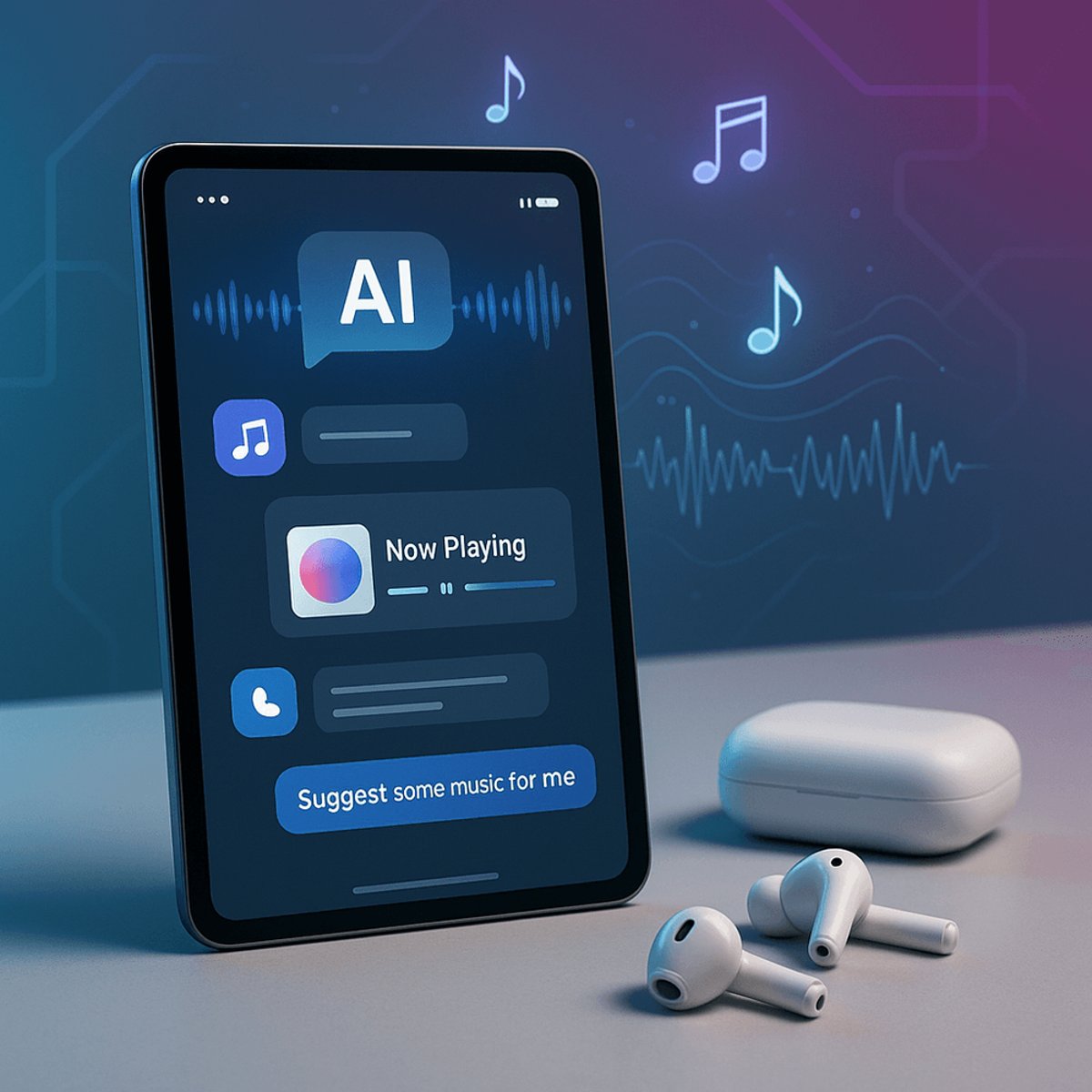
OpenAI just dropped a game-changer for music lovers: ChatGPT now connects directly to your Spotify account, turning playlist creation into a conversational AI experience. The integration launched this week as part of OpenAI's broader push to embed third-party apps inside ChatGPT, letting users craft personalized playlists by simply describing what they want in plain English.
OpenAI is betting big on making AI feel less like a chatbot and more like a personal assistant. The company's latest move proves that point: ChatGPT now plugs directly into Spotify, letting users create playlists by simply describing what they're looking for.
The integration rolled out earlier this week as part of OpenAI's broader app platform launch, which TechCrunch originally reported. When you mention Spotify in any ChatGPT conversation, a "Use Spotify for this answer" button appears, prompting account connection.
Once connected, the AI gains access to your listening history, liked songs, and following lists - data it uses to craft surprisingly personalized recommendations. During testing, TechCrunch asked for a dog-walking playlist where every song had "Dog" in the title. ChatGPT delivered, pulling tracks from "Hound Dog" to "Who Let the Dogs Out" with the kind of creative specificity that feels genuinely useful.
But the real power lies in the conversational interface. Users can request playlists for specific moods, events, or even hyper-specific criteria like "only my top artists from 2023 for a 45-minute workout." The AI asks follow-up questions about preferred length and can handle complex requests that would take humans several searches to fulfill manually.
The feature goes beyond recommendations. ChatGPT can control Spotify playback, add songs to your library, create and edit private playlists, and manage your following list. Tapping any suggested track opens the Spotify app directly, creating a seamless handoff between AI curation and actual listening.
Spotify confirmed in a blog post that it doesn't share actual audio content with OpenAI for training purposes - only metadata about user behavior and preferences. But the privacy implications still run deep.
Connecting your account means sharing your IP address, approximate location, and detailed listening patterns with OpenAI. The company's privacy policy warns that security breaches could expose this data to unauthorized parties, though users can disconnect at any time.
The timing feels strategic for both companies. Spotify has been pushing its own AI DJ feature and recommendation algorithms, while OpenAI needs compelling use cases to justify ChatGPT's premium tiers. Music discovery represents one of those rare AI applications that feels immediately useful rather than experimental.
The integration launches across 145 countries in English for all ChatGPT users - Free, Plus, and Pro. Both free and premium Spotify subscribers can use it, though premium users get "more tailored experiences," according to the company.
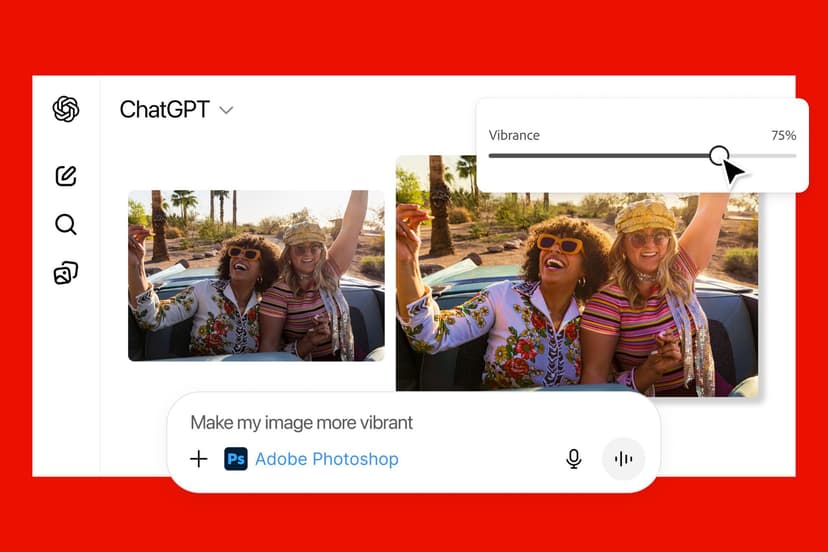
This marks OpenAI's most consumer-friendly app integration yet. While previous partnerships with Booking.com, Canva, Coursera, Expedia, Figma, and Zillow focused on productivity tasks, Spotify taps into something more personal: how we discover and consume entertainment.
For Spotify, the partnership represents a new distribution channel for its recommendation engine. Instead of relying solely on algorithmic playlists like Discover Weekly, the platform now has a conversational interface that can explain its choices and adapt in real-time based on user feedback.
The move also signals OpenAI's broader strategy of embedding ChatGPT into existing workflows rather than forcing users to switch between apps. By bringing third-party services inside its interface, the company positions ChatGPT as a central hub for digital tasks - exactly where it needs to be to justify subscription fees in an increasingly competitive AI market.
OpenAI's Spotify integration represents more than just another AI party trick - it's a glimpse into how conversational interfaces might reshape how we discover and consume digital content. While privacy concerns remain valid, the seamless blend of AI curation and personal taste data creates genuinely useful experiences that feel less artificial and more like having a knowledgeable friend recommend music. As OpenAI continues expanding its app ecosystem, this integration proves that the most successful AI applications won't replace existing services but rather make them more intuitive and personalized.