OpenAI just turned ChatGPT into a one-stop grocery store. The company's new Instacart integration lets users brainstorm dinner ideas, build shopping lists, and complete purchases without ever leaving the chat window - marking another aggressive push into AI-powered commerce that could reshape how we shop online.
OpenAI just made grocery shopping as simple as asking a question. The company's latest ChatGPT integration with Instacart creates a seamless shopping experience where users can brainstorm meal ideas, generate grocery lists, and complete purchases without switching between apps.
The timing isn't coincidental. This partnership deepened significantly after former Instacart CEO Fidji Simo - already an OpenAI board member - joined the AI company as CEO of Applications in May. Her move signals how seriously both companies view the intersection of AI and commerce.
This isn't their first collaboration. More than two years ago, Instacart launched an AI search tool powered by ChatGPT that helped shoppers navigate dietary restrictions and meal planning. But this new integration represents a complete commerce experience within ChatGPT itself.
The move fits squarely into OpenAI's broader "agentic commerce" strategy - using AI to handle shopping research and purchases on users' behalf. At its recent developer day, the company showcased plans to build apps directly into ChatGPT, launching integrations with Booking.com, Canva, Coursera, Expedia, Figma, Spotify, and Zillow. Since then, partnerships with Target and Intuit have expanded the ecosystem.
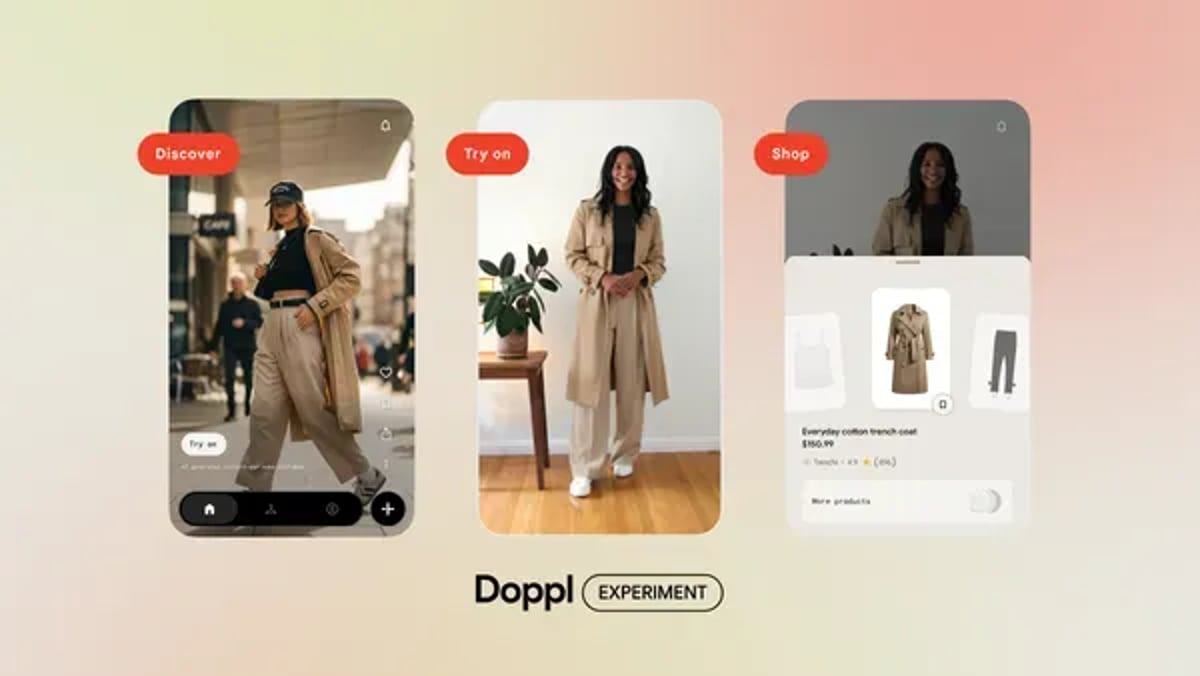
The holiday shopping season has become a testing ground for AI-assisted commerce. Both OpenAI and Perplexity rolled out shopping features designed to help users find specific products based on detailed criteria. Adobe's research suggests AI-assisted online shopping will grow 520% this holiday season.
For OpenAI, commerce integrations represent a crucial revenue opportunity. Despite ChatGPT's massive popularity, the company isn't profitable and may not be for years. The compute power required to run its models is so expensive that subscription fees barely cover costs. These shopping partnerships let OpenAI take an undisclosed "small fee" from merchant sales - though it would take enormous transaction volumes to meaningfully impact the company's finances.
The grocery integration makes strategic sense for both companies. Instacart gains access to ChatGPT's 100+ million weekly active users, while OpenAI gets a high-frequency use case that could drive daily engagement. Food shopping happens regularly, unlike travel booking or home purchases, creating more opportunities for the AI to learn user preferences and generate revenue.
Competing platforms are watching closely. Meta has been testing AI shopping assistants within Instagram and WhatsApp, while Google continues expanding its Shopping features across search and assistant products. Amazon remains the elephant in the room, with its own AI shopping tools and vast fulfillment network.
The integration also raises questions about data sharing and user privacy. When ChatGPT knows your dietary preferences, shopping habits, and purchase history, that information becomes incredibly valuable for targeted advertising and product recommendations. Both companies will need to navigate these concerns as the feature rolls out more widely.
This Instacart integration shows how AI assistants are evolving from conversation tools into full-service platforms. For consumers, it promises the convenience of never leaving ChatGPT to handle routine tasks. For OpenAI, it's a critical test of whether AI commerce can generate the revenue needed to justify the company's massive infrastructure costs. The real question isn't whether this feature will work, but whether users will trust an AI with their weekly grocery budget - and if that trust can finally make OpenAI profitable.