Data centers have gone from invisible infrastructure to the center of a heated national battle. Over the past year, 142 activist groups across 24 states have mobilized against the explosive growth of server farms, driven by spiraling electricity costs and environmental concerns as tech giants pour billions into AI infrastructure. The backlash is working - $64 billion in projects have already been blocked or delayed.
What was once the invisible backbone of the internet has become impossible to ignore. Data centers are no longer the preserve of tech insiders - they're now showing up in community town halls, state capitols, and political campaigns across America.
The shift is dramatic and sudden. Over the past 12 months, regional activists have launched what amounts to a grassroots uprising against the data center boom. According to Data Center Watch, an organization tracking anti-data center activism, there are currently 142 different activist groups across 24 states organizing resistance to these projects. That's not scattered opposition - that's a coordinated movement.
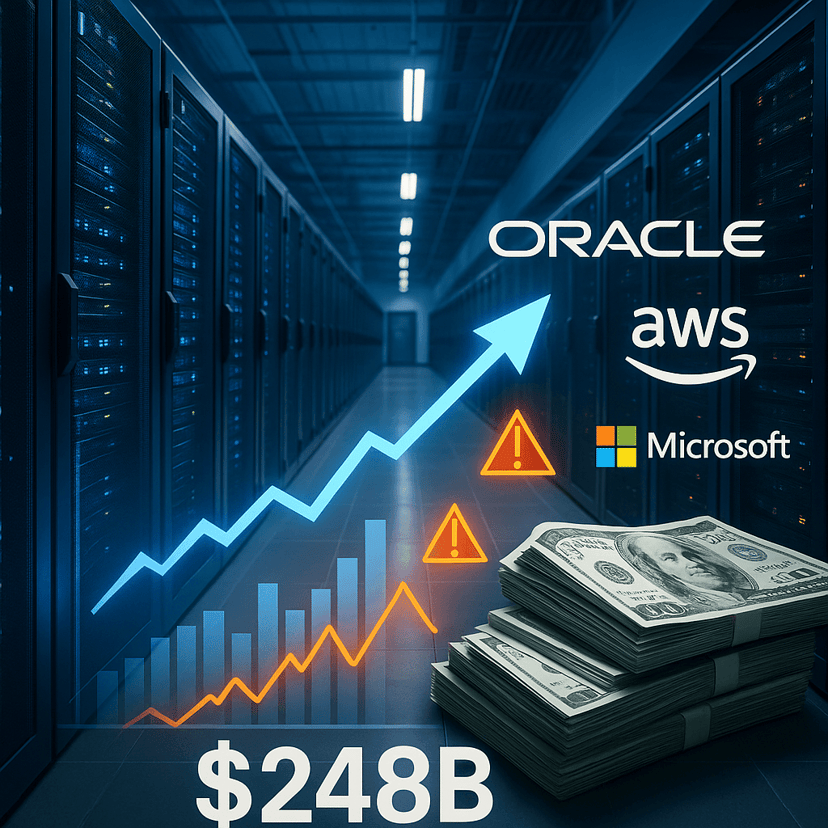
The numbers behind the growth are staggering. According to recent U.S. Census Bureau data, construction spending on data centers has skyrocketed 331% since 2021, with spending totaling in the hundreds of billions of dollars. Experts now believe that most of the data centers currently proposed won't actually get built - the pipeline is simply disconnected from reality.
But the buildout isn't slowing. Major tech giants including Google, Meta, Microsoft, and Amazon have all announced significant capital expenditure increases for 2026, with the majority directed at data center projects. The Stargate Project, announced by OpenAI in January, positioned this compute expansion as America's "re-industrialization," backed by the Trump administration's push to make AI a central pillar of economic policy.
What's driving the backlash is intensely personal. Activists aren't just concerned with abstract environmental impacts or theoretical health risks. They're angry about electricity bills. "The whole connection to everybody's energy bills going up - I think that's what's really made this an issue that is so stark for people," Danny Candejas, an activist with the nonprofit MediaJustice, told TechCrunch. He's been involved in multiple protests, including one in Memphis, Tennessee, against Elon Musk's xAI Colossus project. "So many of us are struggling month to month. Meanwhile, there's this huge expansion of data centers. People are wondering: Where is all that money coming from? How are our local governments giving away subsidies and public funds to incentivize these projects, when there's so much need in our communities?"
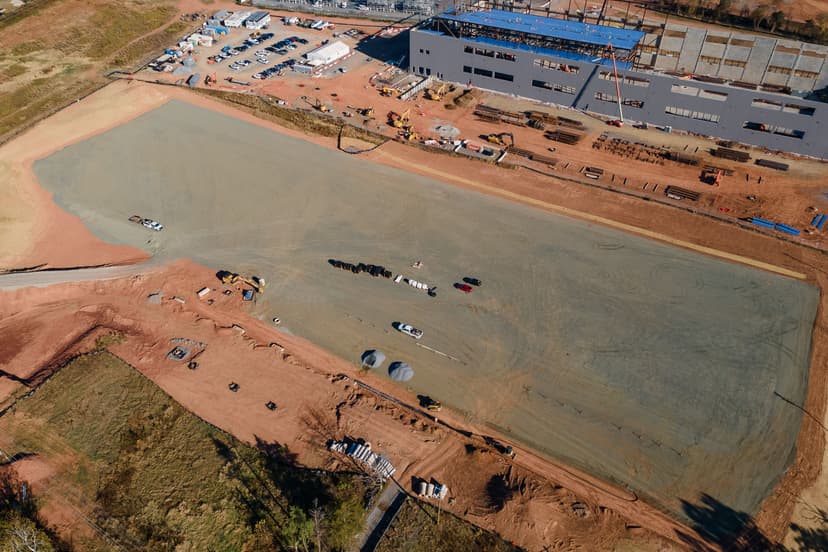
The protest movement is having real impact. In Wisconsin, angry locals appear to have convinced Microsoft to abandon plans for a 244-acre data center. In Michigan, where developers are eyeing 16 different locations, protesters descended on the state capitol chanting their opposition. In Imperial Valley, California, the tiny city recently filed a lawsuit challenging county approval of a massive data center project. According to Data Center Watch, roughly $64 billion in developments have been blocked or delayed due to grassroots opposition.
"I don't think this is going to stop anytime soon," Candejas said. "I think it's going to keep building, and we're going to see more wins - more projects are going to be stopped. All this public pressure is working."
The political stakes have become unmissable. In November, it was reported that rising electricity costs - widely attributed to the AI boom - could become a critical determining issue in the 2026 midterm elections. Politicians are recognizing data center opposition as a wedge issue that could make or break their candidacy.
The tech industry isn't taking the backlash sitting down. According to Politico, the National Artificial Intelligence Association (NAIA) has been distributing talking points to Congressional members and organizing field trips to showcase data centers' economic value. Meta and other major players have launched ad campaigns selling voters on the benefits of these projects. The industry is betting billions on compute infrastructure - backing down isn't an option.
So what comes next is predictable: the battle will intensify. Tech companies need the scale these projects provide to deliver on their AI ambitions. Communities need affordable electricity and protection from environmental impacts. The data center industry has moved from the invisible backend of the internet to the center of a genuine cultural and political conflict that will shape 2026.
Data centers have completed their transformation from boring backend infrastructure to frontline political battleground. The numbers are staggering - 331% spending growth, $64 billion in blocked projects, and 142 organized activist groups - but what matters most is that ordinary Americans now care deeply about these projects. They're showing up to town halls, filing lawsuits, and demanding accountability. The tech industry's ability to continue its AI infrastructure buildout now depends not just on capital and engineering talent, but on winning hearts and minds in communities directly affected by rising energy costs. In 2026, expect this conflict to dominate the national conversation around AI in ways most in tech aren't prepared for.