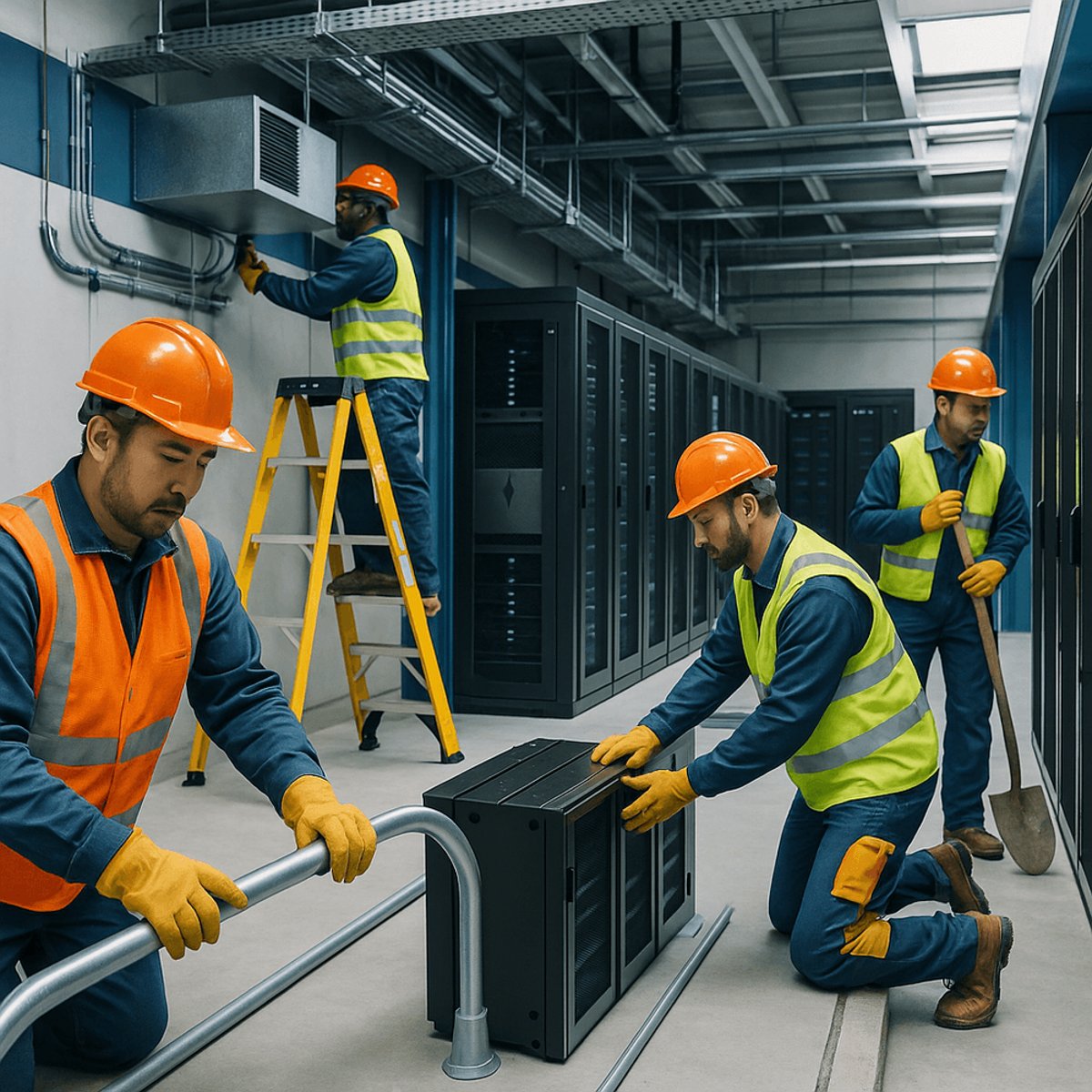
The AI infrastructure race is creating a golden opportunity for construction workers, with those building data centers seeing pay jumps of 25% to 30% - and some earning over $200,000 annually. As Amazon, Google, and Microsoft race to build hundreds of new facilities, a massive worker shortage is driving unprecedented compensation packages that include everything from daily bonuses to heated break tents.
DeMond Chambliss pinches himself every morning heading to work. The 51-year-old traded his small drywall business in Columbus, Ohio, for something he never imagined - a supervisor role overseeing 200 workers at a data center construction site, pulling in over $100,000 annually. "I pinch myself going to work every day," Chambliss told The Wall Street Journal, and he's not alone in this AI-fueled windfall.
Across the country, construction workers are discovering that building the backbone of artificial intelligence pays better than almost anything they've done before. Workers moving into data center construction are seeing pay jumps of 25% to 30% compared to their previous jobs, with some cases reaching far higher. In Oregon, electrical safety specialist Marc Benner now pulls in $225,000 a year, while electrician Andrew Mason manages workers at six Northern Virginia data centers for over $200,000 annually.
The money isn't just coming from higher hourly rates. Companies are rolling out perks that would make tech workers jealous - heated break tents for cold weather sites, free daily lunches, and daily incentive bonuses that can add $100 to a worker's take-home pay. Some sites are even offering remote project management positions, a concept that would have seemed absurd in construction just a few years ago.
This construction gold rush stems from a perfect storm brewing in the tech industry. Amazon, Google, and Microsoft are racing to build hundreds of new data centers to power their AI ambitions, but they're running headfirst into a massive labor shortage. The Associated Builders and Contractors trade group estimates the industry is short roughly 439,000 skilled workers nationwide.
The shortage is particularly acute in specialized trades needed for data center construction - electrical work, HVAC systems, and concrete specialists who understand the unique requirements of these facilities. Data centers demand precision that goes far beyond typical commercial construction. They need specialized cooling systems, redundant power supplies, and earthquake-resistant designs that can keep AI models running 24/7.
This isn't just a temporary boom either. The infrastructure demands of AI are only beginning to materialize. OpenAI alone is reportedly seeking to build a network of data centers that could cost hundreds of billions of dollars. Meta and Nvidia are also planning massive infrastructure investments as they scale their AI operations.
The ripple effects extend beyond individual paychecks. Small construction companies that traditionally focused on residential or commercial work are pivoting entirely to data center projects. Some are offering signing bonuses, company vehicles, and even stock options to retain skilled workers who might otherwise jump to higher-paying competitors.
But the boom comes with challenges. The rapid pace of construction means longer hours and intense pressure to meet deadlines. Some workers report 60-hour weeks becoming the norm, though the overtime pay often makes the extra hours worthwhile. Safety concerns also emerge when projects move at breakneck speed to meet AI companies' aggressive timelines.
The geographic impact is equally dramatic. Rural areas that landed major data center projects are seeing local construction wages spike across all sectors, as contractors compete for the same pool of skilled workers. This creates a cascading effect where housing construction, road projects, and other infrastructure work face delays and cost increases.
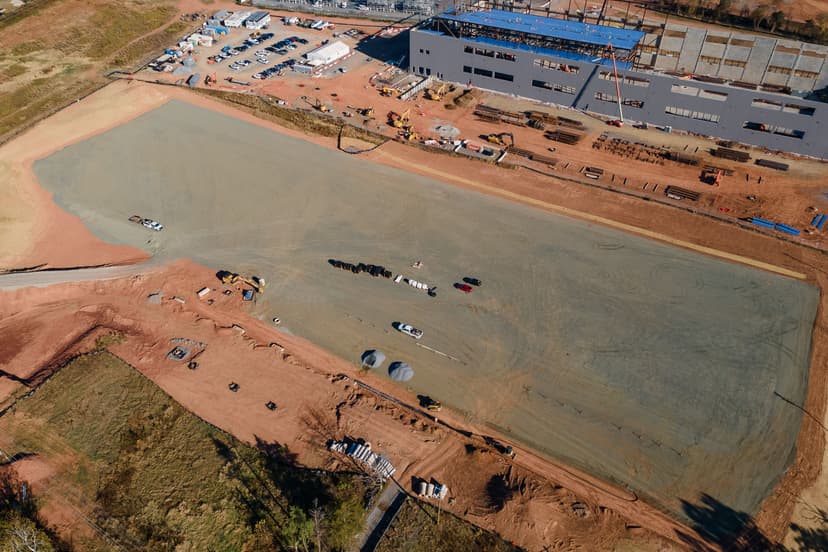
For workers like Chambliss, the transformation feels surreal. He went from running a small drywall operation to managing one of the largest construction projects in Ohio. The scale of modern data center construction - some facilities span millions of square feet - requires coordination skills that many traditional contractors never needed to develop.
The AI boom is creating unexpected winners beyond Silicon Valley's tech elite. Construction workers building the physical infrastructure that powers artificial intelligence are experiencing life-changing pay increases and career opportunities they never imagined. As the demand for data centers continues to accelerate and the worker shortage persists, these blue-collar positions may become some of the most lucrative jobs in the AI economy. For an industry that has traditionally struggled with wage stagnation, the AI infrastructure race represents a rare chance for workers to cash in on the biggest tech transformation of their careers.