A year after promising a digital reckoning following their 2024 electoral losses, Democrats are still struggling with the same fundamental problem: their obsession with control is killing their online presence. Despite millions in influencer investments, party insiders say rigid gatekeeping and risk-averse leadership continue to stifle authentic digital content that could actually reach voters.
The Democratic Party's digital awakening hit the snooze button. A year after devastating 2024 losses that sent party leaders scrambling for digital redemption, the same control-obsessed culture that doomed their online presence is still calling the shots.
"I can't, for the life of me, figure out why we are still so rigid and moderating everything when we have nothing to lose for the first time," a Democratic digital strategist told WIRED, speaking anonymously to discuss internal frustrations. "All of the threats of fascism and right wing takeover. It's all here."
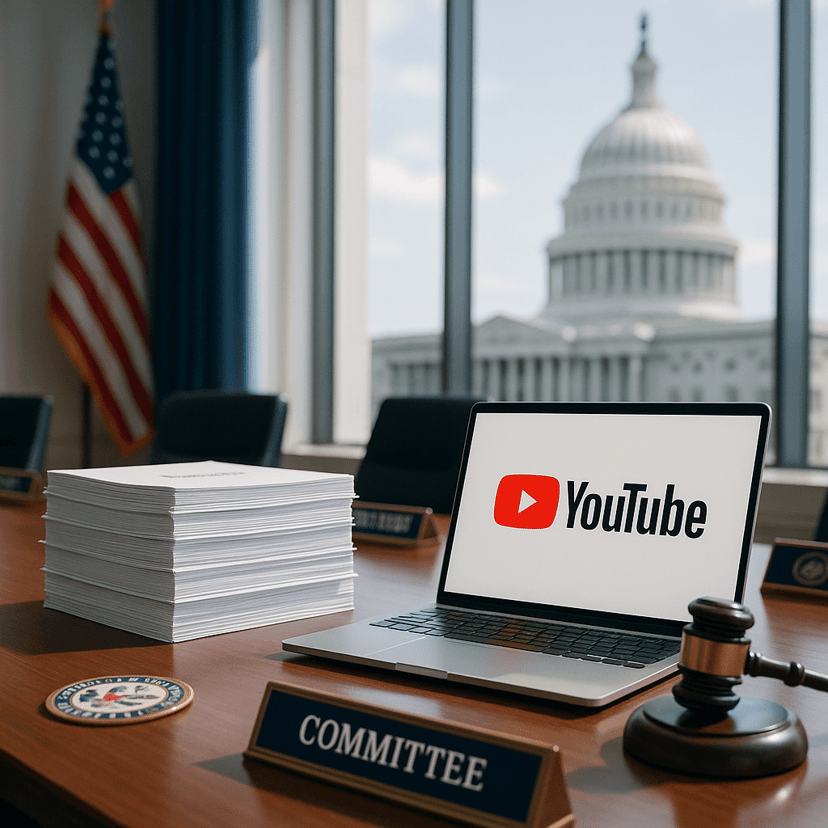
The evidence is stark. The Democratic National Committee's flagship digital innovation - a YouTube show called "Daily Blueprint" launched in June - has managed just 16,000 total views across more than 100 episodes. That's fewer eyeballs than most TikTok creators get on a single video. DNC chair Ken Martin promised the show would "cement our commitment to meet this moment and innovate," but the numbers tell a different story about a party still speaking to itself.
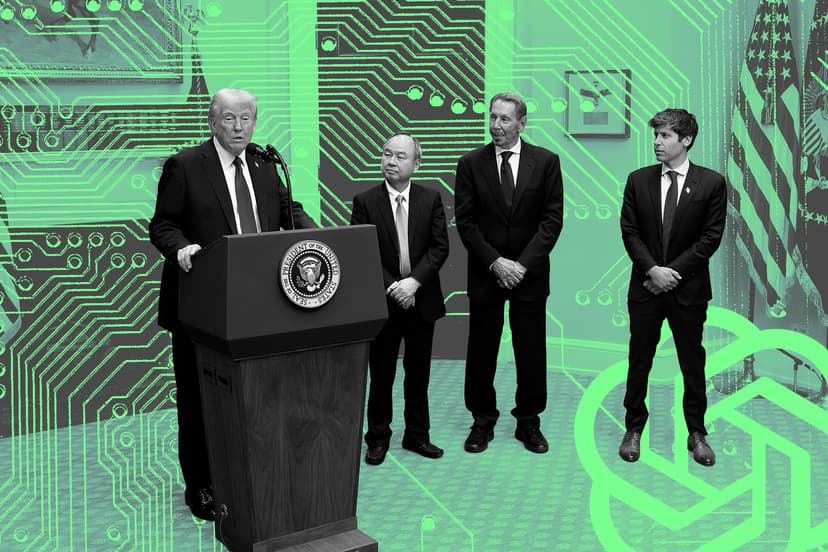
Meanwhile, Chuck Schumer's highly-produced social media videos during the recent government shutdown barely registered outside the DC bubble. The contrast with Trump's influencer-driven strategy couldn't be sharper - while Democrats perfect their messaging in committee rooms, Republicans are dominating platforms where actual voters spend their time.
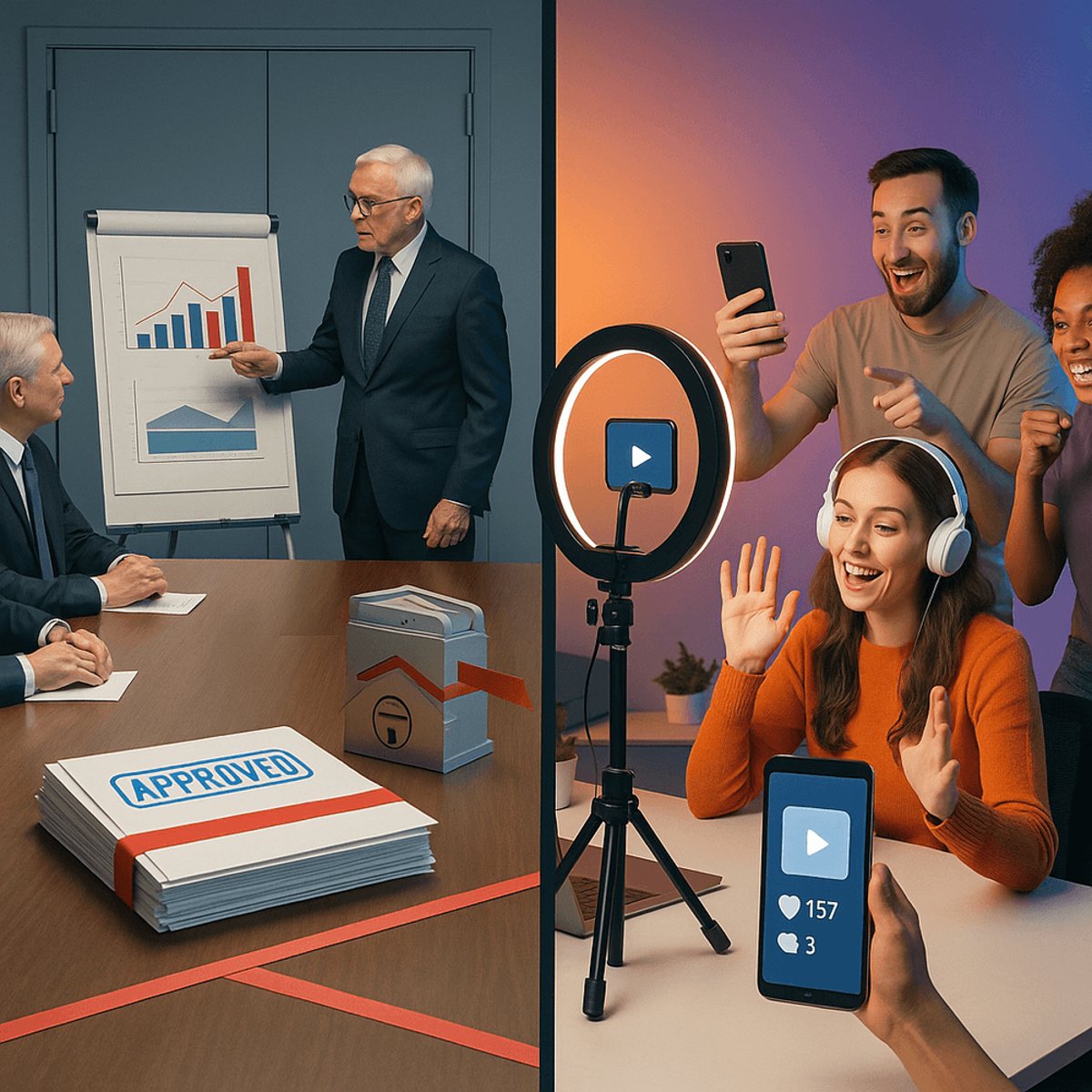
The problem isn't money or talent. It's culture. "The people approving content are not young people and they're not posters," says Organizermemes, a creator and digital strategist working within Democratic circles. "They can't explain why things [online] went well. Their 'theory of mind' is often fundamentally wrong because they don't engage with the actual doing of it."
This gatekeeping creates a brutal feedback loop. Young staffers who actually understand digital platforms propose content, only to see 90% of their ideas killed by risk-averse leadership. "A 90 percent rejection rate makes no sense," Organizermemes notes. "At that point, fire me."
Some Democrats are breaking through the institutional resistance. California's Gavin Newsom joined Twitch streamer Connoreatspants to play Fortnite while discussing Trump administration policies - the kind of authentic, platform-native content that actually builds audiences. Pete Buttigieg appeared on the Flagrant podcast with comedian Andrew Schulz, following Trump's playbook of meeting audiences where they are.
The standout example is New York mayoral nominee Zohran Mamdani, whose content mixing humor and policy regularly goes viral beyond political circles. But rather than celebrating and replicating his success, party establishment figures are threatened by digital wins they don't control.
"There's a desire to diminish his effect," says Ravi Mangla from the Working Families Party. "Because if we actually talk about how easily it would be to replicate both what he's doing digitally and the issues he is promoting, then that's a threat to the establishment."
This fear of authentic success reveals the core Democratic digital dilemma. The party wants viral content and authentic voices, but only if they can maintain editorial control over every word. It's like trying to be spontaneous with a script - the contradiction kills the very thing they're trying to achieve.
"If you are so scared of entrusting your candidate to be themselves, you need to get the hell out of Democratic politics," says Caleb Brock, digital strategy director for California Rep. Ro Khanna. "And if your candidate is going to be cringe or not stick to their talking points, the American voters and the Democratic Party's base needs to see that."
With 2026 midterms approaching, some strategists sense momentum for change. The question is whether institutional Democrats can overcome their control addiction fast enough to matter. Trump's return to power was partly enabled by his party's willingness to embrace messy, authentic digital content while Democrats perfected their messaging in focus groups.
The irony cuts deep - at the moment when Democrats claim to face existential threats to democracy, they're still too scared to let their own people speak freely online.
The Democratic Party's digital problem isn't technical - it's cultural. A year after electoral losses exposed their online weaknesses, the same risk-averse gatekeeping that failed in 2024 continues to strangle authentic content creation. While individual politicians like Newsom and Mamdani prove what's possible with platform-native approaches, the party establishment remains too scared of losing message control to embrace the messy authenticity that actually works online. Unless Democrats can overcome their institutional fear of letting candidates be themselves digitally, 2026 risks becoming another lesson in how perfectionism kills engagement.