A dramatic shift in the political censorship narrative surrounding Google just emerged from Capitol Hill. House Democrats released excerpts from 20 Alphabet employee transcripts that directly contradict Republican claims that the Biden administration pressured YouTube to censor Covid-19 content. The revelations come as the tech industry navigates increasingly complex government relations under the returning Trump administration.
The political battle over tech platform censorship just took an unexpected turn. House Judiciary Committee ranking member Jamie Raskin is challenging years of Republican accusations with hard evidence - transcripts from 20 Google employees who say they never felt pressured by the Biden administration to remove content.
The bombshell comes in response to a September letter where Alphabet legal counsel claimed the Biden administration sought to 'influence' YouTube to crack down on Covid-19 misinformation. Republicans immediately seized on this as proof of Democratic censorship, but the employee testimonies paint a completely different picture.
'As thousands of pages of transcripts of testimony make clear, not a single one of Alphabet's employees testified about any coercion or undue pressure from the Biden administration,' Raskin wrote in his letter to YouTube CEO Neal Mohan. The Democratic congressman didn't mince words, asking whether Google was now 'asserting that all of these witnesses lied.'
The timing raises eyebrows across Silicon Valley. Just one week after Alphabet sent that controversial letter claiming government pressure, YouTube agreed to settle Trump's lawsuit over his account suspension following January 6th. The platform paid $24.5 million while admitting no fault - a settlement that looks different in light of these new revelations.
The employee interviews span several years and include staff from policy, health, and trust and safety roles - exactly the teams who would handle government requests. According to the transcripts, none reported feeling coerced to suppress content at the Biden administration's behest.
'Jim Jordan's quest to find evidence of a censorship regime that never existed is well into its third year, and he continues to suppress the testimonies of the many, many witnesses who contradict his fantasy,' Renée DiResta, a disinformation expert at Georgetown University, told WIRED.
This development lands squarely in the middle of Washington's escalating fight over content moderation. The Supreme Court ruled in June 2024 in Murthy v Missouri that the government could continue communicating with social media companies about platform content - a decision that disappointed Republicans who'd hoped to limit such interactions.
But the political dynamics have shifted dramatically since Trump's return to the White House. While his administration previously criticized Biden for allegedly collaborating with tech companies, Trump's team has already flagged content to Meta. Earlier this month, the administration pointed Meta toward a Facebook page they claimed was being used to 'dox and target' ICE officers. Meta promptly removed it.
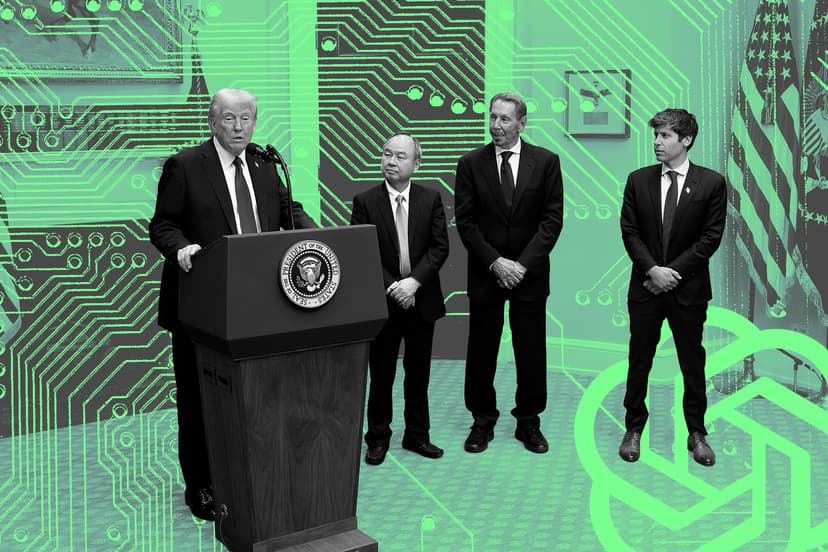
The apparent contradiction hasn't gone unnoticed in tech circles. Trump has simultaneously criticized government-platform coordination while engaging in it himself. Last month, tech CEOs including Meta's Mark Zuckerberg and Apple's Tim Cook joined Trump for a White House dinner, signaling the industry's efforts to build bridges with the new administration.
For Google, the transcript revelations put the company in an awkward position. The September letter from their lawyers suggested government pressure, but their own employees' sworn testimony tells a different story. The disconnect raises questions about whether the legal team's claims were strategic positioning rather than factual reporting.
Republican committee leadership hasn't responded to requests for comment about the contradictory evidence. The full transcripts remain under GOP control, and Democrats need Republican approval to release them completely.
The transcript revelations expose a significant gap between Republican political messaging and sworn employee testimony. As the tech industry navigates an increasingly complex relationship with government oversight, these contradictions highlight how content moderation has become as much about political positioning as actual policy. With Trump back in office and already engaging with platforms directly, the real test of government-tech boundaries is just beginning.