Josh D'Amaro's honeymoon as Disney's new CEO just got a lot shorter. Less than a week into the job, he's watching $2.5 billion in strategic bets unravel in real time. OpenAI is pulling the plug on Sora - the AI video tool Disney planned to weave into Disney Plus - just months after inking a $1 billion partnership. Meanwhile, Epic Games is cutting 1,000 jobs while Disney's $1.5 billion metaverse collaboration remains conspicuously absent from any product roadmap. For a company betting big on tech-driven transformation, this is a brutal reality check.
Disney just handed its brand-new CEO a double crisis that exposes the fragility of Hollywood's tech ambitions. Josh D'Amaro, who took the reins less than a week ago, is now managing the fallout from two massive strategic misfires that together represent $2.5 billion in vaporizing bets.
The first blow landed when OpenAI announced it's shutting down Sora, its ambitious AI video generation program. That'd be awkward timing for any company, but it's particularly brutal for Disney, which made headlines just months ago by announcing a $1 billion collaboration to bake Sora's tech directly into Disney Plus. The partnership was supposed to represent Disney's aggressive push into AI-powered content creation, letting the streaming giant experiment with generative tools at scale. Instead, it's become an expensive lesson in backing unproven technology.
According to reporting from The Verge, Disney's plan involved integrating Sora's capabilities to create personalized content experiences and potentially streamline production workflows. The mouse house was clearly gambling that AI-generated content could help differentiate Disney Plus in an increasingly crowded streaming market. Now that bet looks premature at best, reckless at worst.
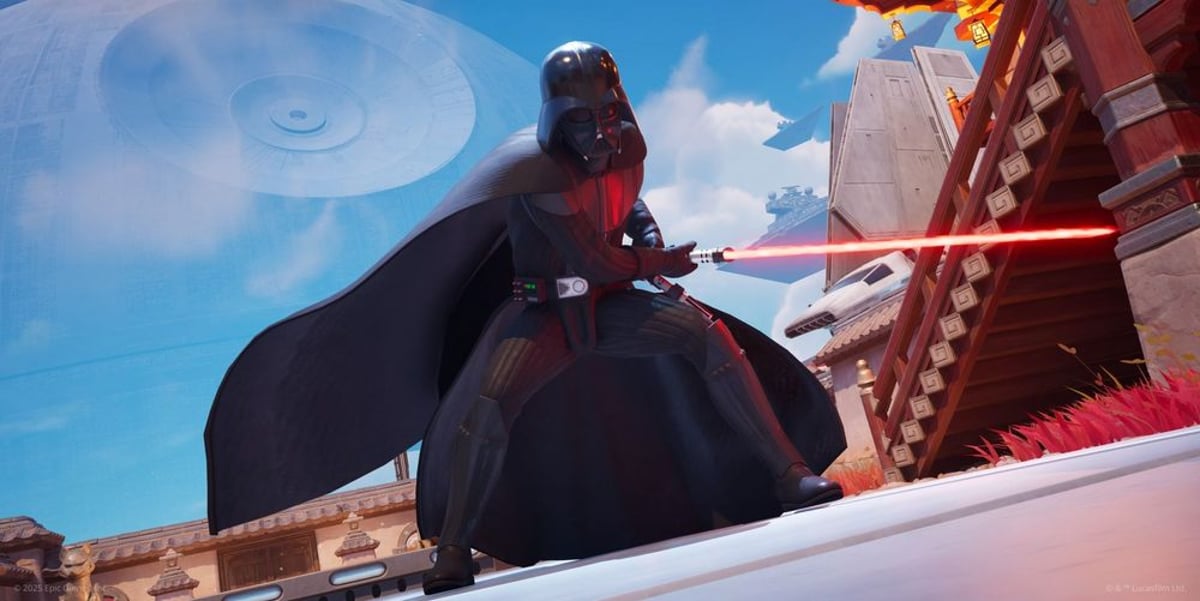
But the Sora debacle is only half the story. Disney's other massive tech wager - a $1.5 billion investment in Epic Games to build a Disney-themed metaverse inside Fortnite - isn't faring much better. Epic just announced 1,000 layoffs, and Disney's promised virtual world remains conspicuously absent from any concrete product announcements.
The Epic partnership, unveiled with great fanfare in February 2024, promised an "all-new persistent universe" where Disney characters would interact with Fortnite's massive player base. Epic CEO Tim Sweeney and former Disney chief Bob Iger positioned it as a groundbreaking convergence of gaming and entertainment. At Unreal Fest in October 2024, there were vague promises about using Unreal Engine to bring Disney magic to the metaverse. Since then? Radio silence.
The layoffs at Epic raise uncomfortable questions about resource allocation. If Epic is cutting staff while sitting on $1.5 billion in Disney investment capital, what does that say about the partnership's actual progress? The gaming industry is notoriously tight-lipped about development timelines, but the complete absence of updates suggests the ambitious project may be stuck in development hell - or worse, shelved indefinitely.
For D'Amaro, this represents an immediate test of his leadership. He spent years running Disney's theme parks division, where investments in physical infrastructure deliver tangible, measurable results. Now he's inherited two digital moonshots that are cratering before they've delivered anything substantial. The optics are terrible - a company synonymous with creative excellence making billion-dollar bets on technologies that either don't work or can't ship.
The timing couldn't be worse for Disney's broader strategic narrative. The company has spent the past two years telling Wall Street it's serious about technological transformation, that it understands the future of entertainment lives at the intersection of streaming, gaming, and AI. These twin failures undermine that entire pitch. Investors who bought into Disney's tech-forward vision are now watching the company look like it's chasing trends rather than setting them.
Disney could theoretically salvage something from the wreckage. The OpenAI relationship might pivot to other AI tools beyond Sora, and Epic could still deliver a metaverse experience eventually. But the damage to credibility is already done. When you write billion-dollar checks for cutting-edge technology partnerships, you're buying more than tools - you're buying confidence that you can execute. Right now, Disney looks like it can't.
What makes this particularly painful is the contrast with Disney's traditional strengths. The company prints money from theme parks, dominates family entertainment, and owns some of the most valuable IP on Earth. These tech misadventures suggest a company worried it's missing out on the future, making desperate plays to stay relevant in spaces where it lacks core competency. That's not strategic vision - that's fear.
D'Amaro needs to decide quickly whether to double down on these partnerships or cut losses and refocus on what Disney does best. The metaverse and generative AI aren't going away, but Disney's approach to both clearly needs a major rethink. The new CEO's first major decision may be cleaning up billion-dollar messes he didn't create.
D'Amaro's first week as CEO has delivered a harsh lesson about the risks of chasing tech trends without the infrastructure to execute them. Disney's $2.5 billion in combined investments with OpenAI and Epic Games have produced zero shipped products and mounting questions about strategic judgment. The company can still recover - its core businesses remain strong, and tech partnerships can be restructured or replaced. But this moment demands a fundamental reassessment of how Disney approaches emerging technology. Billion-dollar bets require more than visionary press releases; they need operational rigor, realistic timelines, and partners who can actually deliver. Right now, Disney has none of those things in either relationship.