SK Hynix just became the world's newest trillion-dollar company. The South Korean memory chipmaker's shares rocketed 11% on Wednesday, pushing its market cap past $1 trillion for the first time as investors bet big on AI-driven demand for high-bandwidth memory. The milestone comes just 24 hours after rival Micron hit the same mark, signaling a seismic shift in how Wall Street values the once-cyclical semiconductor sector.
SK Hynix just rewrote the rulebook for semiconductor valuations. The Icheon-based memory chipmaker's stock soared 11.3% in Wednesday trading, catapulting its market capitalization past the $1 trillion threshold and cementing its place among the world's most valuable companies. It's a stunning reversal for an industry that spent decades trapped in brutal boom-and-bust cycles.
The timing is no coincidence. Just yesterday, Micron Technology became the first pure-play memory chip company to crack the trillion-dollar mark, and now SK Hynix has followed suit in what amounts to a sector-wide revaluation. Investors are finally pricing in what industry insiders have known for months - AI isn't just another tech cycle, it's a fundamental reshaping of semiconductor economics.
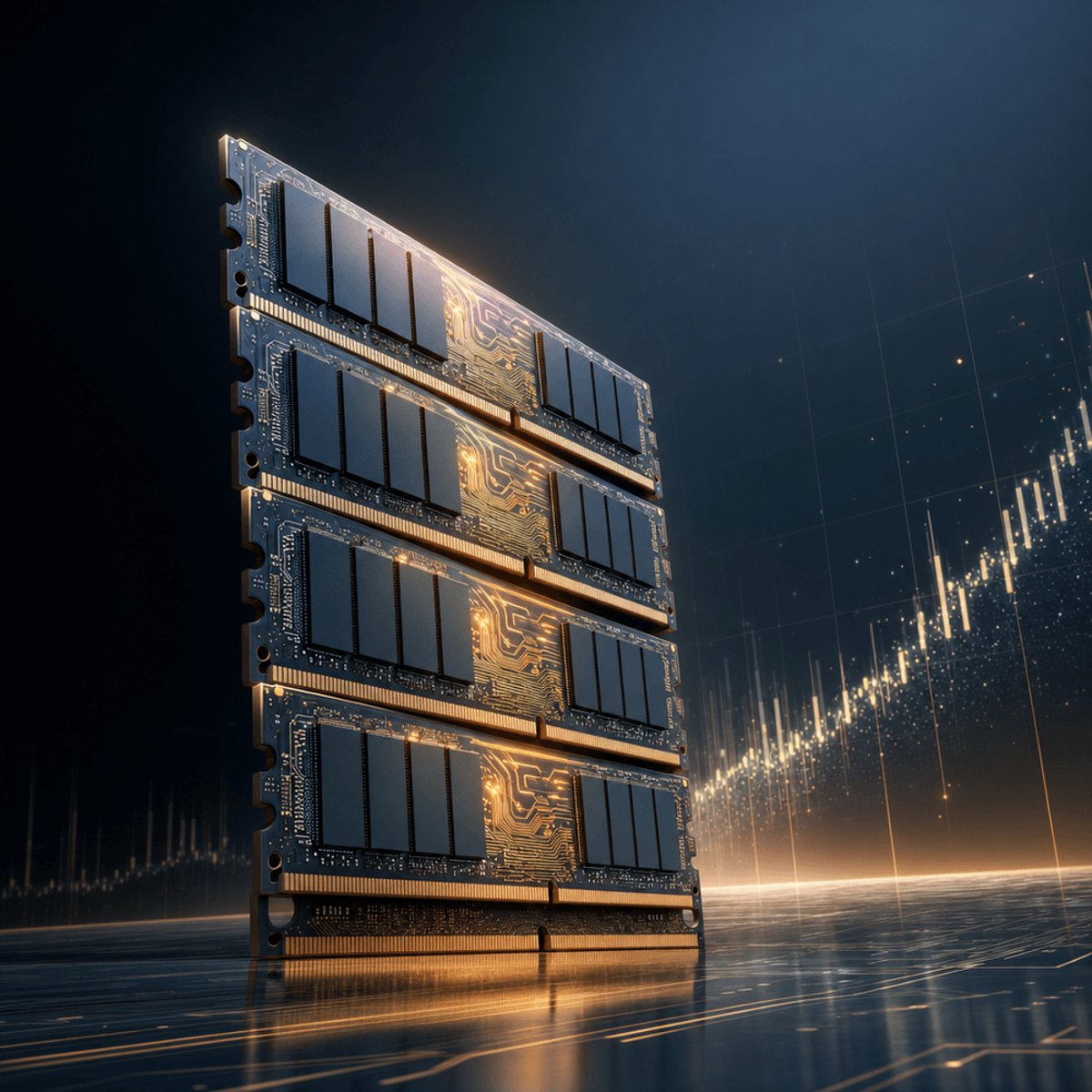
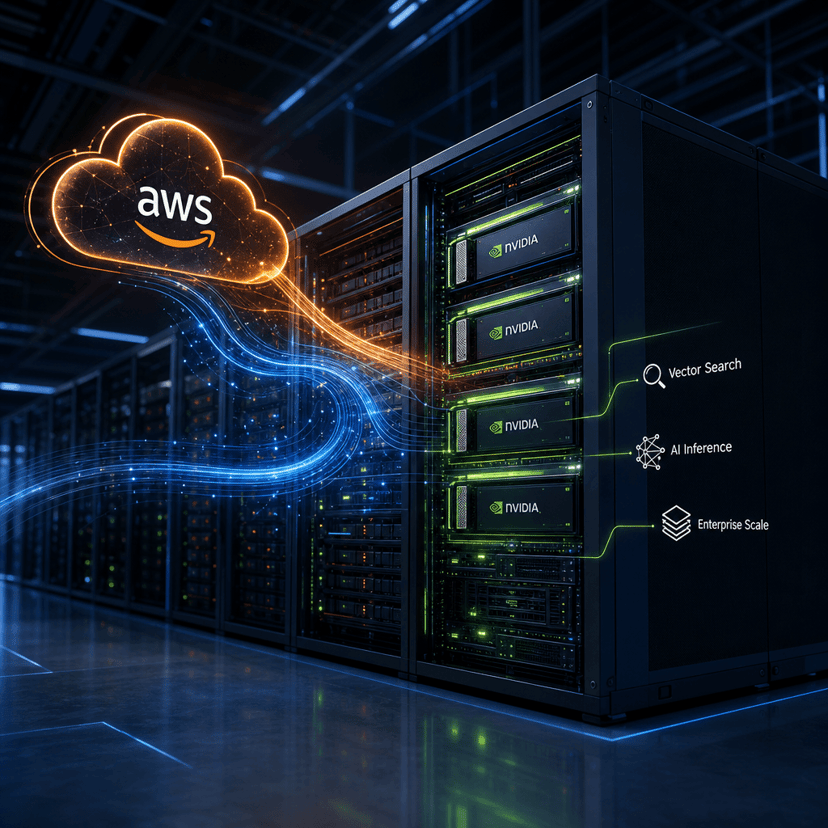
SK Hynix's ascent is built on one product above all: high-bandwidth memory, or HBM. These specialized chips stack memory modules vertically to achieve data transfer speeds that traditional DRAM can't touch. Nvidia can't build enough H100 and H200 GPUs without them, Amazon Web Services is stockpiling them for custom AI chips, and Microsoft is racing to secure supply for its Azure infrastructure. According to TrendForce, HBM sales are projected to hit $30 billion this year, up from just $8 billion in 2024.
The company's grip on this market is ironclad. SK Hynix controls roughly 50% of global HBM production, with Samsung trailing at 35% and Micron scrambling to ramp up its third-place position. That dominance translates into pricing power the memory industry hasn't enjoyed since the early 2000s. HBM3E chips - the latest generation - command prices 5x higher than standard DDR5 memory, and lead times stretch beyond six months.
"We're seeing a structural shift in memory economics," a Seoul-based semiconductor analyst told Bloomberg in a note this morning. "SK Hynix isn't just riding an AI wave - they've positioned themselves as an essential infrastructure provider for the entire AI buildout." The company's operating margins have expanded to nearly 40% in recent quarters, levels that would have seemed impossible during the DRAM price crashes of 2018 and 2019.
But the rally isn't just about current profits. Wall Street is betting that AI data centers will consume exponentially more memory over the next decade. OpenAI's GPT-5 training reportedly requires 10x the memory bandwidth of GPT-4. Google's Gemini Ultra needs even more. And as AI inference moves closer to real-time applications - think autonomous vehicles, robotics, and edge computing - the appetite for high-speed memory will only intensify.
The South Korean government is taking notice too. Seoul has pledged $19 billion in semiconductor subsidies and tax incentives to ensure the country maintains its technological edge against rivals in Taiwan and the United States. SK Hynix is the crown jewel of that strategy, with plans to invest $103 billion through 2027 in new fabrication facilities and R&D for next-generation HBM4 and beyond.
There are risks, of course. Memory markets have historically been viciously cyclical, and any slowdown in AI spending could trigger a sharp correction. Intel and other competitors are pouring resources into catching up on HBM technology. And geopolitical tensions around chip exports to China - still SK Hynix's third-largest market - remain a wild card.
But for now, the momentum is undeniable. SK Hynix's trillion-dollar valuation puts it in rarified company alongside Apple, Microsoft, Nvidia, Alphabet, Amazon, Meta, and Tesla. The fact that two memory chipmakers joined that club within 24 hours tells you everything about where the smart money sees the AI boom heading next.
SK Hynix's leap into the trillion-dollar club isn't just a win for one company - it's a signal that the semiconductor industry's center of gravity is shifting. Memory chips, once dismissed as commoditized building blocks, have become the strategic bottleneck in the AI race. With HBM supply constrained through at least 2027 and every major tech platform fighting for allocation, SK Hynix and Micron are positioned more like OPEC members than traditional chipmakers. The question now isn't whether AI will drive semiconductor demand, but whether the industry can scale production fast enough to keep pace with what's coming next.